
Tesla Supercharger Rates Climb 15% As Network Loses Ground To Rivals
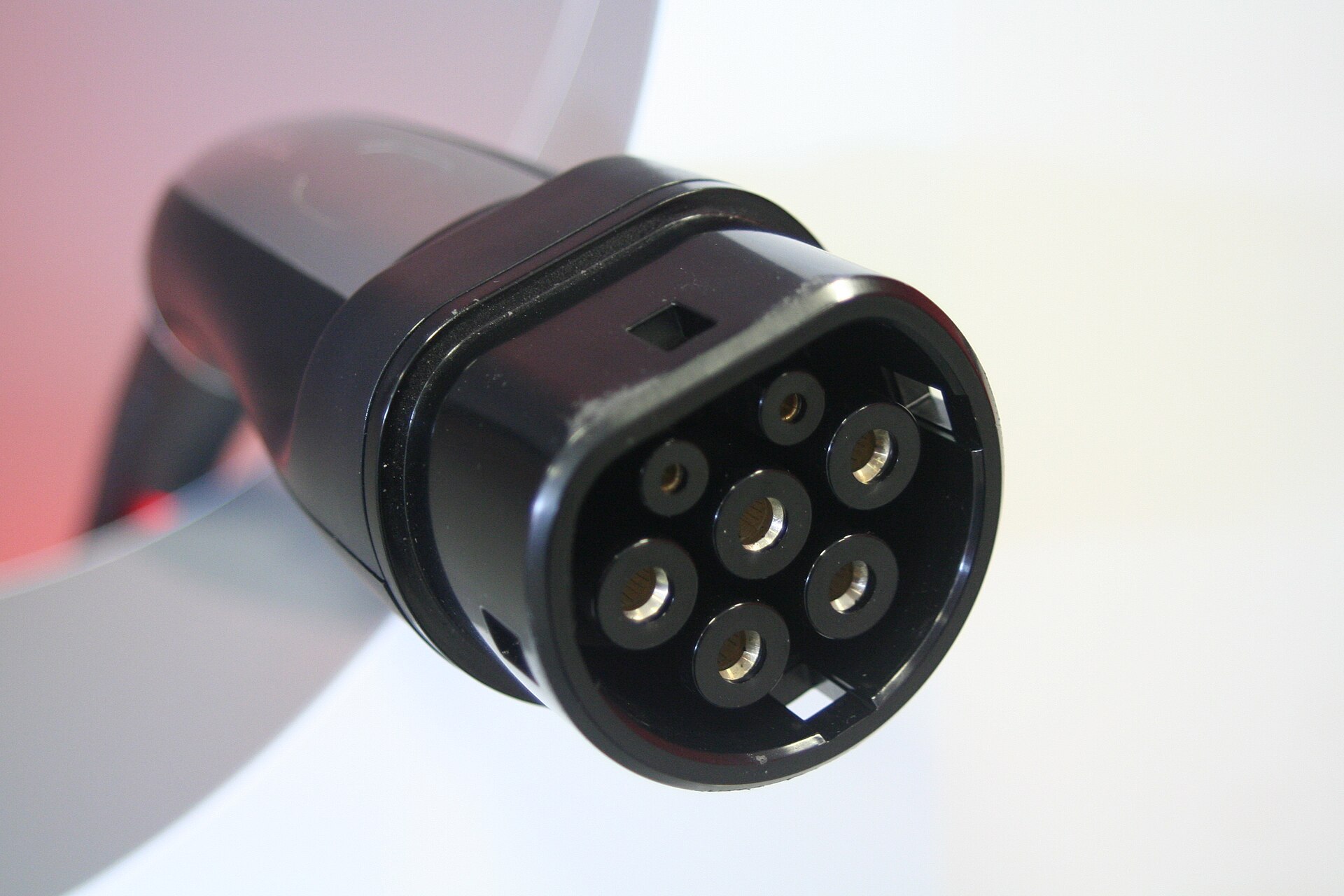
Drivers who depend on Tesla’s public charging network are finding their sessions noticeably pricier than a year ago. New figures from Paren’s third-quarter US EV Fast Charging report show that Tesla’s average rate for non-members rose 15% year-over-year, reaching roughly $0.569 per kilowatt-hour. Subscribers fared better but still felt the squeeze: their rate ticked up about 9% to $0.396 per kWh. For anyone without a membership, that adds up to an extra $66 or so each year, assuming typical driving habits and the fact that the vast majority of charging still happens at home.
The headline number looks dramatic, but the reality is more nuanced. Tesla’s pricing is now moving closer to what the rest of the industry already charges rather than leapfrogging it. Non-Tesla fast chargers have held steady near $0.533 per kWh for five straight quarters, and Tesla's increase nudged the national average up only about 2%, to $0.540. A standard 60-kWh top-up that once cost about $29.70 now runs about $34.14 — an increase of roughly $4.50 per session, which remains modest next to recent gasoline prices.
Where the money goes matters too. The higher rates help bankroll an aggressive buildout: Tesla installed 1,287 new ports last quarter, more than any other operator in the country, though that represented just 31.3% of all new charging ports added. Competitors are catching up fast. Ionna added 378 ports and Walmart 344, and over the past year Tesla’s share of the US fast-charging market slipped from 54.3% to 49.3%. Even with some 5,700 plugs brought online by Tesla in that span, rival networks collectively expanded at nearly double the pace.
The takeaway for EV owners is that Supercharging is no longer the bargain it once was — but it is also no longer an outlier. Tesla’s network remains a major competitive advantage, yet speed and scale now matter more than ever as the charging landscape fills out. For drivers weighing subscription plans against pay-as-you-go rates, the math is shifting, and shopping around before a road trip may be worth the extra few minutes.
What do you think?