
BMW Pours €100M Into In-House Inverter Production at Steyr
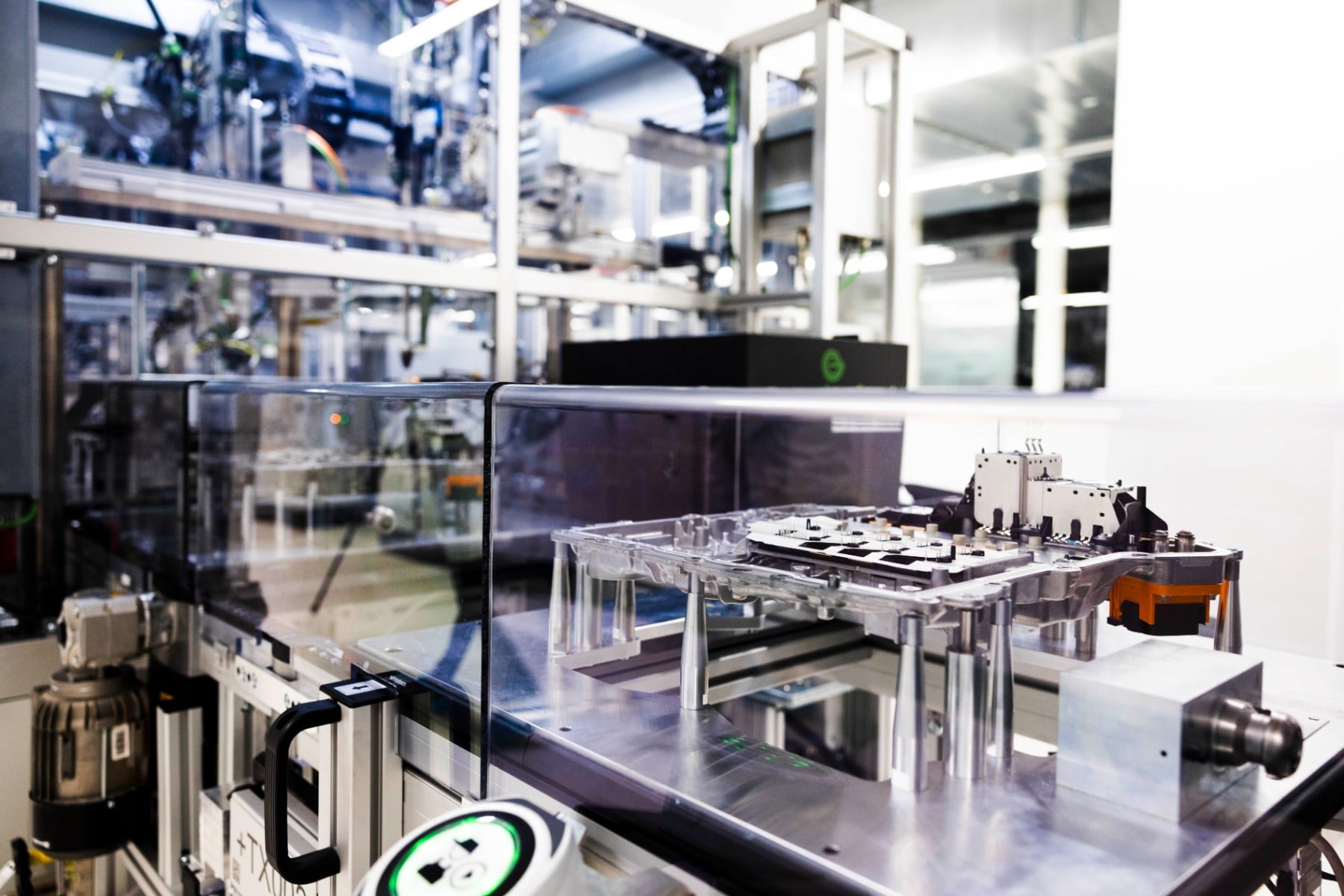
BMW is deepening its electric drivetrain capabilities at its Austrian plant in Steyr, committing more than €100 million to a new facility dedicated to producing inverter power modules. Production is slated to begin in summer 2029, and the move marks another step in the site’s steady transformation from a traditional engine plant into a hub for electric mobility.
The component at the center of this investment is the power module, which BMW calls the core of the inverter. The inverter itself is the electronic brain of an electric drivetrain: it takes direct current from the high-voltage battery and converts it into the alternating current the motor needs, while also governing how energy flows between the two. Because its efficiency directly shapes how far a car can travel on a given charge, improving inverter design is a meaningful lever for overall vehicle performance. BMW intends to handle both the upstream supply chain and the final assembly of this module on-site, giving the plant greater flexibility in sourcing critical parts such as semiconductors.
To make this happen, BMW is setting up a cleanroom assembly line along with the supporting infrastructure. The power module is built from ten individual components, and assembling it will involve large-area soldering and ultrasonic welding — techniques the BMW Group is using for the first time. By bringing this complex process in-house, the company aims to build new manufacturing expertise rather than relying on external suppliers.
The Steyr site has been positioned as a key electric mobility location within BMW’s global network since 2022. It is currently ramping up production of the Gen6 electric motors for Neue Klasse models, which are already rolling off two lines there. At the same time, Steyr has not abandoned its combustion heritage: it still supplies more than one million petrol and diesel engines annually to BMW vehicle plants. Managing Director Harald Gottsche framed the investment as a competitive play, noting that in-house module production reduces dependencies in a geopolitically sensitive technology area. The company has not said how many jobs the project will add; roughly 4,700 people work at the site today.
Steyr’s history adds context to the shift. The plant was founded in 1979 as a joint venture between BMW and Austria’s Steyr-Daimler-Puch AG, and BMW took full ownership in 1982. Today, the Steyr name echoes across other Austrian manufacturers — Magna Steyr builds complete vehicles for brands such as Mercedes-Benz, GAC and Xpeng from Graz, while Steyr Automotive operates as a contract truck manufacturer. BMW’s latest investment signals that it wants its own Steyr facility to be known for something increasingly electric.
What do you think?