
Michelin Rolls Out EV Charge to Simplify Public Charging for European Fleets
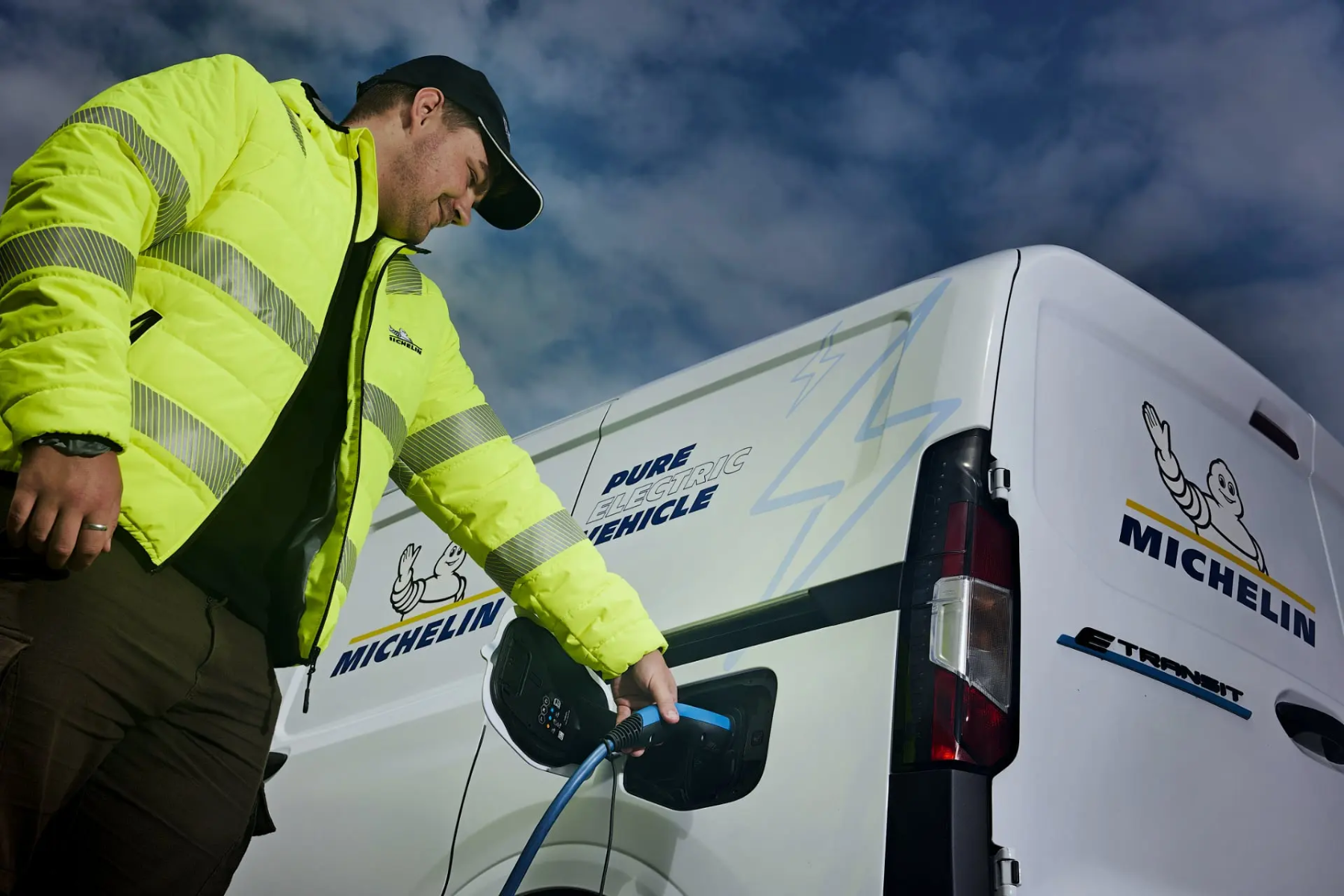
Michelin Connected Fleet has unveiled a new service called Michelin EV Charge, aimed squarely at corporate fleets that are wrestling with the growing complexity of public charging. Built in partnership with Dutch technology firm Deftpower, the platform bundles charging access, billing and telematics into one place, giving companies a single point of control rather than a patchwork of network accounts and invoices.
Drivers get a charging card and a dedicated app that together open the door to more than 1.2 million public charge points across Europe. Through the app they can locate available stations, plan routes and pick charging options that suit their journey. Fleet managers, meanwhile, see a different set of tools. Michelin promises transparent pricing with no added network fees and, in some cases, negotiated tariffs, so public charging costs can be captured centrally no matter which network a driver plugs into.
The more distinctive part of the offer lies in how it handles data. Michelin EV Charge connects charging sessions with vehicle and telematics information already gathered through MyConnectedFleet, the company’s existing fleet monitoring service. That link produces a consolidated view of trips, energy use, charging status and charging habits, and lets managers spot sessions that are unusually expensive or inefficient. The system then suggests cheaper charging practices. The underlying goal is to make energy costs — and with them the total cost of ownership of an electric fleet — easier to predict and rein in.
The technical backbone comes from Deftpower’s MSP-2.0 platform, a white-label system that lets mobility service providers start, bill and analyse charging sessions. Deftpower also works on smart charging, designing its platform to weigh a vehicle’s expected energy needs and move sessions to periods when power is cheaper or grid demand is lower. The company has said that as much as two-thirds of a charging session’s energy could potentially be shifted away from peak times. In August 2025 it raised 12.5 million euros from investors to develop and expand the platform, and at that point reported working with more than 40 customers in ten European countries.
The launch fits a broader push by Michelin into electrified fleets. Through MyConnectedFleet, companies can already assess which vehicles suit electrification based on real usage profiles and keep an eye on battery status and range. Since 2021 the group has also run Watèa by Michelin, a subscription offering for electrifying commercial cars and light commercial vehicles that began with battery-electric models and later added hydrogen fuel cell vehicles plus related infrastructure and services. Michelin points to survey data indicating that a majority of German fleets already operate EVs and that many more plan to switch within a few years — a trend that makes controlling charging costs an increasingly urgent task.
What do you think?