
Tesla Says Cybercab Deliveries Start By Year's End, But Don't Expect To Own One
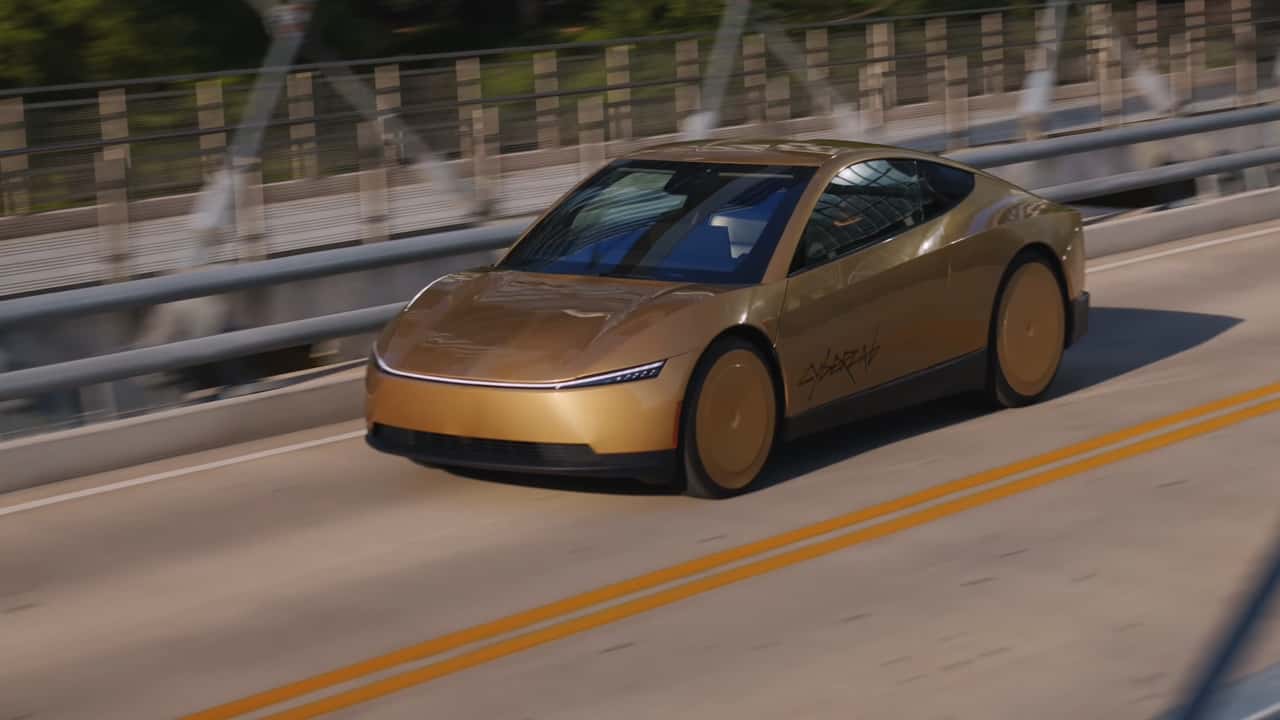
Tesla plans to hand over its first Cybercabs to paying customers before the calendar flips, an executive said on Wednesday’s earnings call. The catch: almost none of those vehicles will actually end up in private driveways.
Vice President of Engineering Lars Moravy confirmed the company is building the cars at its Texas plant and expects to reach customers by the end of the year. But he was quick to add that every unit rolling off the line right now is headed into Tesla’s own robotaxi operation.
The Reality Check: Tesla has built a few hundred Cybercabs so far — all for internal development. Private buyers will essentially act as beta testers.
A Taxi Service, Not a Car For Sale
The bigger shift came from CEO Elon Musk, who used the call to reframe what the Cybercab was always meant to be. Rather than a product for individuals, he described it as a piece of a Tesla-run mobility network.
“The vast majority of the Cybercab stuff will be essentially Tesla-owned and transport as a service,” Musk said, pointing buyers toward the Model 3, Model Y and the upcoming Roadster if they actually want a car of their own.
That marks a departure from the original pitch. When the Cybercab was first shown, Musk leaned hard on the idea of an affordable two-seater — under $30,000 — that owners could lend out on Tesla’s ride-hailing app to earn money while parked. Owning one was central to the story.
Now the vision looks more like a conventional fleet business.
Why the Ownership Dream Faded
Running autonomous rides is messier than it sounds. Charging, cleaning, matching cars to demand, maintenance — all of it gets easier when one company controls the whole fleet. Tesla’s rivals have reached the same conclusion, which is why dedicated robotaxis tend to stay in company hands.
There’s a hardware wrinkle too. The Cybercab has no steering wheel, which raises an awkward question for anyone hoping to park one at home: how, exactly, would you drive it? Tesla hasn’t offered much of an answer, and Musk doesn’t seem bothered by the gap.
Regulators are still circling. Tesla is under federal investigation for operating a vehicle without some federally mandated equipment, even as it runs paid rides in Austin and lines up Dallas as the next market. For comparison, Zoox recently secured NHTSA approval to carry passengers in a vehicle built without standard controls.
- Current fleet: A few hundred units, development use only
- Paid service: Live in Austin, Dallas expansion planned
- Private deliveries: Targeted for the end of the year
- Original price target: Under $30,000
So yes, a handful of customers may get a Cybercab soon. But the machine Musk keeps describing sounds less like a car and more like a subscription — one where Tesla holds the keys, runs the fleet and keeps the revenue.
Source: InsideEVs
What do you think?