
Waymo's Robotaxis Now Roll Right Up to Las Vegas Airport Terminals
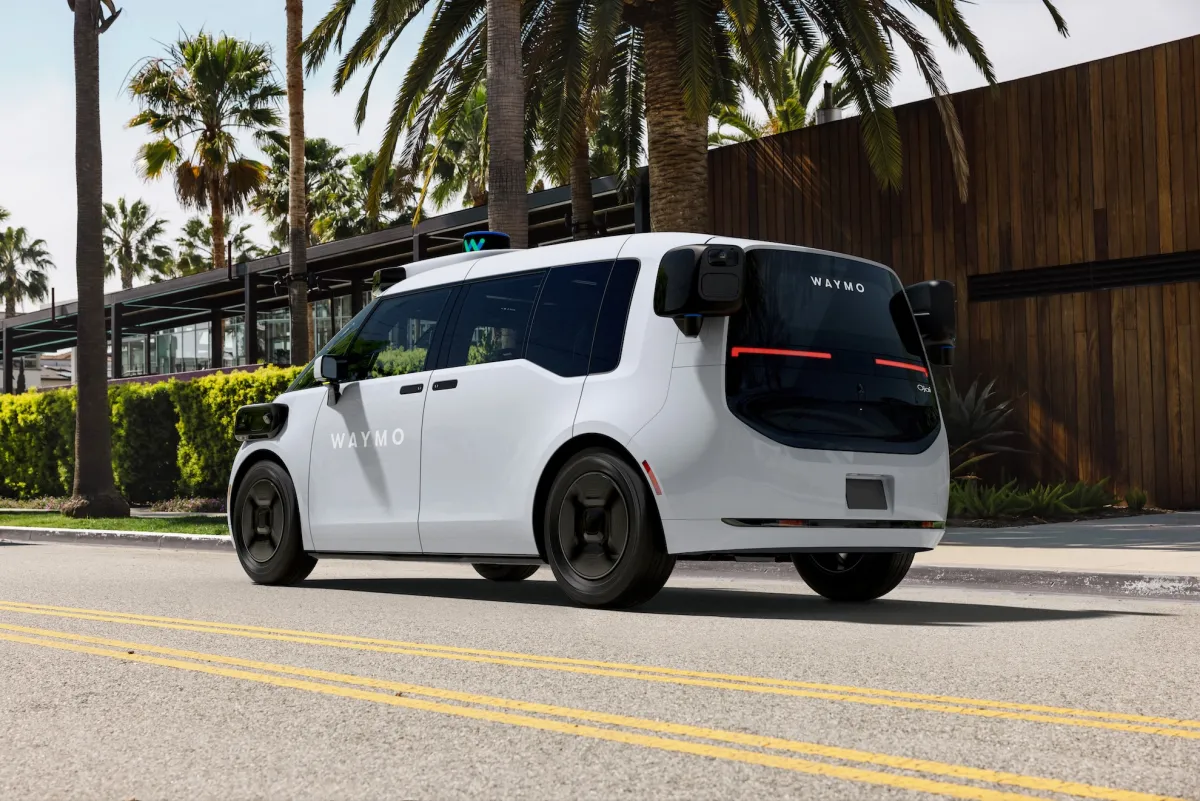
Waymo has added Harry Reid International Airport in Las Vegas to its growing list of airport routes. The Alphabet-owned robotaxi company confirmed Wednesday that riders can now be picked up and dropped off at dedicated autonomous vehicle zones outside Terminal 1 and Terminal 3.
Las Vegas becomes the sixth major airport on Waymo’s service map. The company already operates at Phoenix Sky Harbor, Nashville International, San Antonio International, San Francisco International and San José International.
That’s a rapid build-out for a city Waymo only opened to the public this September. Riders in Las Vegas already have access to a 24-square-mile service area, and the airport link stretches that footprint to one of the busiest travel hubs in the country.
A Soft Launch, For Now
Don’t expect to hail a Waymo at baggage claim on day one. Airport trips will be restricted to a small group of riders at first, with the company planning to widen access to all customers later. Waymo didn’t say how long that ramp-up will take.
Airports have become a proving ground for autonomous ride-hailing, and for good reason. They generate steady demand at all hours, trips are relatively predictable, and drop-off points can be tightly controlled. If a robotaxi operator can handle airport traffic, it can handle a lot.
The Competition Is Circling Vegas
Waymo isn’t alone on the Strip. Amazon-backed Zoox already runs rides at the Las Vegas airport, putting two robotaxi players in direct competition at the same terminal curbs.
More pressure is coming. In August, Nevada regulators approved permits that clear the way for Tesla and Uber to deploy thousands of robotaxis on Las Vegas streets over the next year. That’s a big number for a market that’s still in its early phase, and it raises the stakes for whoever gets riders into cars first.
The takeaway: Waymo’s Vegas airport launch puts a sixth airport under its belt and plants its flag at a hub where Zoox is already waiting — with Tesla and Uber queued up behind them.
For travelers, the practical effect is modest for now: a limited pool of riders, two terminals, and a service that still needs to prove it can handle airport volumes. But the direction is clear. Autonomous shuttles are moving from city streets to the places where people actually need a ride most.
Source: TechCrunch - Transportation
What do you think?