
Tesla Promises Owner Cars in the Robotaxi Fleet by Q2 2027 — Sound Familiar?
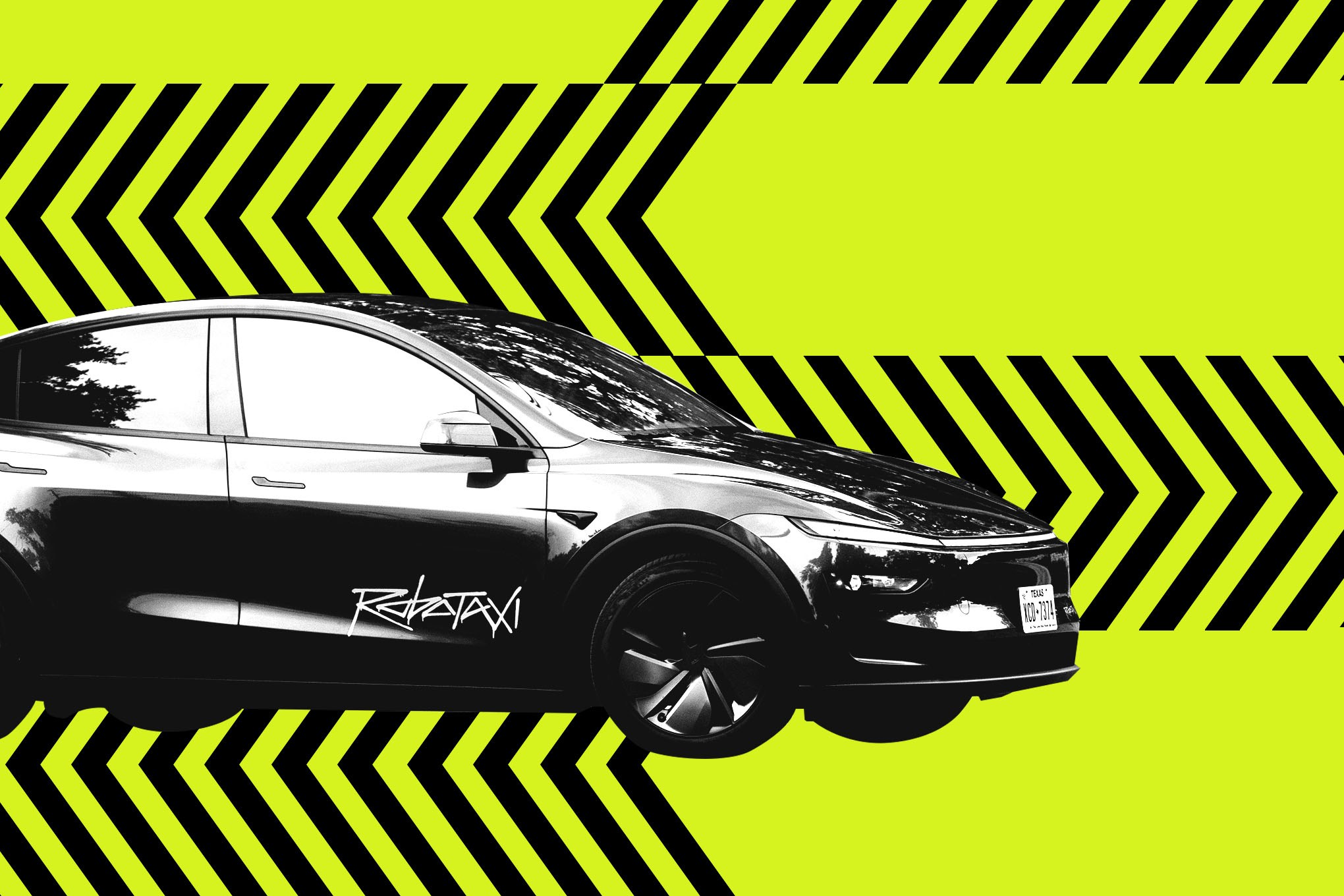
Tesla has finally attached a date to one of Elon Musk’s longest-running promises. During the company’s third-quarter earnings call, VP of Autonomous Driving Ashok Elluswamy said owners should be able to enroll their own vehicles in Tesla’s robotaxi network around Q2 2027.
The idea is straightforward on paper: your Model Y earns money while you’re not using it. Getting there, though, is a different story — and Tesla’s track record on autonomy deadlines is, to put it politely, uneven.
What Elluswamy Actually Said
His explanation leaned on the shared software stack. Cybercabs and consumer Model Ys run the same code, he noted, and the V15 release will push it out to customers. The extra piece is fleet management — geofencing customer cars and wiring them into the dispatch system so they can run with nobody behind the wheel.
“We suspect somewhere around Q2 next year is when we can turn on some of the first customer vehicles to be part of the robotaxi fleet.” — Ashok Elluswamy, Tesla VP of Autonomous Driving
“Some of the first” is doing a lot of work in that sentence. It signals a pilot, not a nationwide flip of the switch.
The Promises Pile Up
Rewind to 2019. Musk stood on stage at Tesla’s first AI Day and told owners their cars could join a “Tesla Network,” generating passive income like an Uber or an Airbnb. He also pledged a million robotaxis on the road by 2020.
Neither materialized. Today Tesla operates a few hundred robotaxis across Texas and Florida — some still carrying human safety monitors — plus several dozen fully driverless Cybercabs in Austin. Unsupervised Full Self-Driving, the technical foundation for all of it, still hasn’t shipped to consumers.
FSD Is Selling, Even If Cars Aren’t
One number from the quarter stands out. More than 75 percent of new Tesla buyers in North America opted for Full Self-Driving (Supervised) — a jump of nearly 20 percentage points over the previous quarter. The caveat is right there in the parentheses: it’s supervised, and it isn’t the robotaxi product being promised.
Vehicle sales, meanwhile, slipped. Revenue flatlined and profit fell. Tesla also published a Robotaxi safety page claiming 3.3 million autonomous miles driven, up sharply from the 380,000 unsupervised miles reported in July.
Regulation Is the Real Wall
Software aside, the legal picture is messy. Unsupervised paid ride-hailing needs local and state permits, and insurance for a self-driving taxi you personally own may be hard to source. In most jurisdictions, letting an individual or third party run their own car as a driverless cab is simply not legal yet.
- Permits: Required at both city and state level in most US markets
- Insurance: No clear framework for privately owned autonomous taxis
- Hardware: Older Model 3 and Model Y units lack the compute for unsupervised operation
- Purpose-built vs. consumer: Cybercabs are designed for passenger service; owner cars need extra safety layers
That last point matters more than it gets credit for. A Cybercab is a clean-sheet robotaxi. A customer’s car is a passenger vehicle with a driver-assist stack that has to be proven safe without anyone in the seat.
Tesla may well clear every technical and legal bar by the second quarter of 2027. But anyone who has followed this company’s autonomy timelines knows the pattern. Bold date, quiet slippage. We’ll be watching whether this one breaks it.
Source: The Verge - Transportation
What do you think?