
Tesla Powerwalls Anchored California's Record 745 MW Home Battery Dispatch
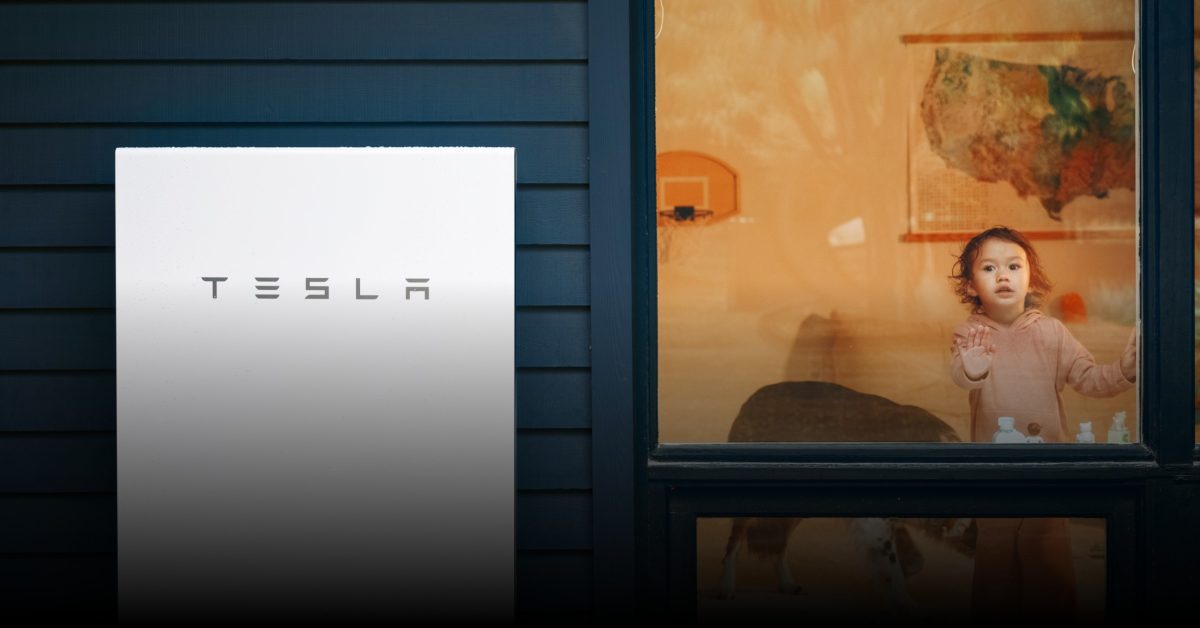
California’s fleet of home batteries hit a fresh milestone last week, and Tesla’s Powerwall hardware carried the biggest share of the load. According to figures released by Sunrun, residential batteries pushed 745 MW onto the state’s grid on October 6 — a jump of 28% over the 580 MW record the same companies had set barely a month earlier. Tesla Energy had already announced its own side of the story on October 8, saying that over 85,000 Powerwall owners across California delivered more than 600 MW during the peak-demand event. Stacked against Sunrun’s combined total, the Powerwall contribution works out to roughly 80% of the record dispatch, underscoring just how dominant Tesla’s installed base has become in the state’s residential energy programs.
Both firms are understandably keen to claim credit, though in practice they are describing largely the same fleet of batteries. Sunrun is the country’s largest Powerwall channel, which explains why the two names keep surfacing together in press materials. Sunrun says its network now includes more than 120,000 enrolled home batteries across California grid programs, and it splits its numbers by day — 669 MW dispatched on October 5 and 745 MW the following evening — without separating how much came from its own customers versus Tesla’s. For context, that 745 MW figure is enough to cover every household in San Francisco and San Jose at the same time during peak hours, according to the company. It also outstrips the output of most gas peaker plants operating in the state.
A subtle detail in Tesla’s math hints at how the fleet is evolving. More than 600 MW drawn from around 85,000 homes implies an average of roughly 7 kW per household — well beyond the 5 kW continuous rating of the older Powerwall 2. That suggests an increasing proportion of Powerwall 3 units, which are rated at 11.5 kW, and a growing number of homes running more than one battery. The events themselves were triggered by an October heat wave, at the request of the California Energy Commission and the state’s utilities, with batteries discharging through multi-hour evening peaks to trim demand and push real-time power prices lower. Sunrun notes that October 5 marked the first time this year that the state’s Demand Side Grid Support and Emergency Load Reduction Program both called dispatches simultaneously across every participating investor-owned utility territory. Under the DSGS mechanism, activation kicks in once CAISO’s day-ahead price passes $200/MWh, and homeowners are compensated for helping shore up grid reliability.
The growth trajectory is arguably the most striking element of the story. The previous residential record of 539 MW had stood from July 29, 2025, until September 9, 2026 — an 8% gain spread across more than a year. Then came a 28% leap in just four weeks, a pace that speaks to how quickly enrolled capacity is compounding. Looking ahead, Sunrun says a Google-funded distributed power plant with PG&E in the San Jose area intends to enroll close to 21,000 devices with Tesla and Everyday Electric, the company formerly known as Renew Home, with initial dispatches expected this month. That project represents the first tangible sliver of the 16.8 GW virtual power plant plan for data centers that Tesla, Sunrun, and Renew Home outlined in June. Caution is warranted, however: Sunrun notes that the Tesla and Everyday Electric portion of the initiative still rests on a non-binding letter of intent.
What remains missing from both companies’ disclosures is energy, not just power. A 745 MW peak sustained for twenty minutes means something very different to grid operators than the same figure held for three hours. The September event ran a three-hour evening window, and publishing MWh alongside MW each time would strengthen the case considerably. The broader lesson is that this model works largely because California pays for it — DSGS and ELRP put real money in homeowners’ pockets for discharging at the right moment. Most other states have no comparable programs, leaving their residential batteries idle during peak periods. For Powerwall owners, pairing storage with solar remains the surest route to extracting full value, particularly as electricity rates climbed nearly 10% last year and are expected to keep rising.
What do you think?