
Switzerland Sets 2031 Date for Electric Truck Toll, Phases In Discounts
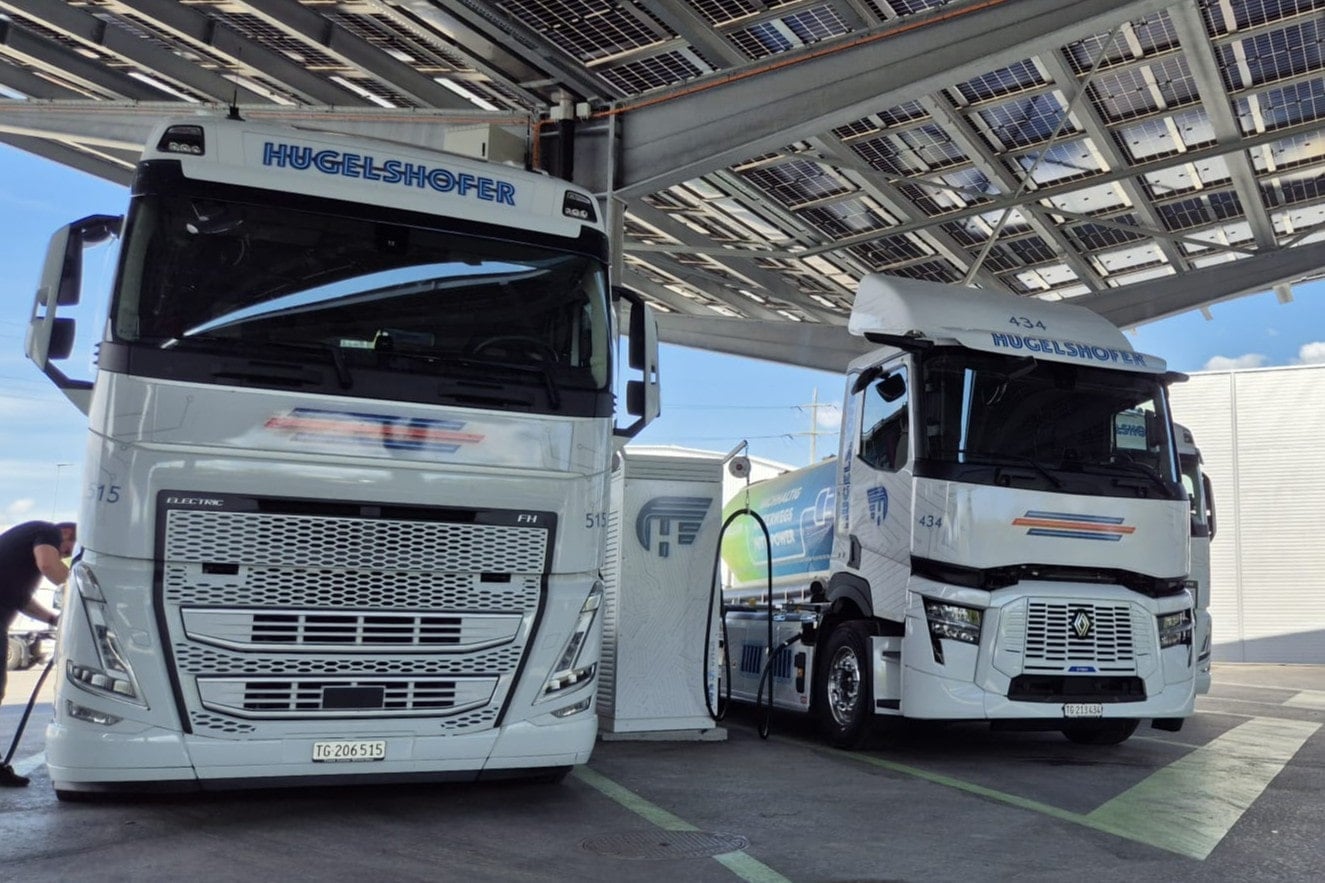
Switzerland has decided to end an era in which zero-emission heavy goods vehicles travel its roads completely free of charge. Both chambers of the Swiss Parliament gave their final approval on 2 October to a revision of the Heavy Vehicle Fee Act (LSVA), clearing the way for battery-electric and hydrogen trucks to be pulled into the toll system starting in 2031.
The LSVA is not a motorway-only charge. It applies across Switzerland’s entire road network, covering ordinary main roads and secondary routes alongside the motorways, and the amount owed depends on distance driven, permissible gross weight and emission class. Zero-emission trucks have been fully exempt up to now, a carve-out that gave hauliers a meaningful indirect financial push toward switching their fleets. That exemption will run out at the end of 2030. Lawmakers argued during the debate that tying the fee to a specific drivetrain or energy source would be too cumbersome to administer, so Switzerland is sticking to its principle of not permanently linking the LSVA to how a vehicle is powered.
The transition, however, will not be abrupt. For 2031, electric and hydrogen trucks are set to pay only 30 per cent of the normal fee, meaning a 70 per cent discount. The relief then narrows year by year: 50 per cent in 2032, 30 per cent in 2033, 20 per cent in 2034 and 10 per cent in 2035. From 2036 the discount disappears entirely, and zero-emission trucks will be treated like any other vehicle in the system. The same reduction schedule applies to both battery-powered and fuel-cell vehicles.
The reform reaches beyond emission-free drivetrains. The ubiquitous Euro 6 trucks are to be shifted from the cheapest LSVA category into the second-cheapest one, and new Euro 7 vehicles will land there too, with discounts running until 2035 to keep them distinct from Euro 6. The exact tariff design is still open. Hauliers will also gain more notice of future changes: reclassifications of vehicles into LSVA categories must in future be announced seven years in advance, a provision that proved contentious between the two chambers before surviving as part of the compromise.
That planning horizon matters to an industry where heavy commercial vehicles are amortised over long periods. The Swiss Commercial Vehicle Association ASTAG had stressed how much long-term certainty shapes investment decisions, since toll changes can swing the economics of a purchase. The political green light is not the last step: the Federal Council must still rewrite the implementing ordinance and fix the actual tariffs and vehicle classifications, leaving room to manoeuvre on how Euro 7 trucks are ultimately handled. A window for an optional referendum must also pass before the reform takes effect.
What do you think?