
Sunrun Bets on Home Batteries as Households Push Back Against Data Centers
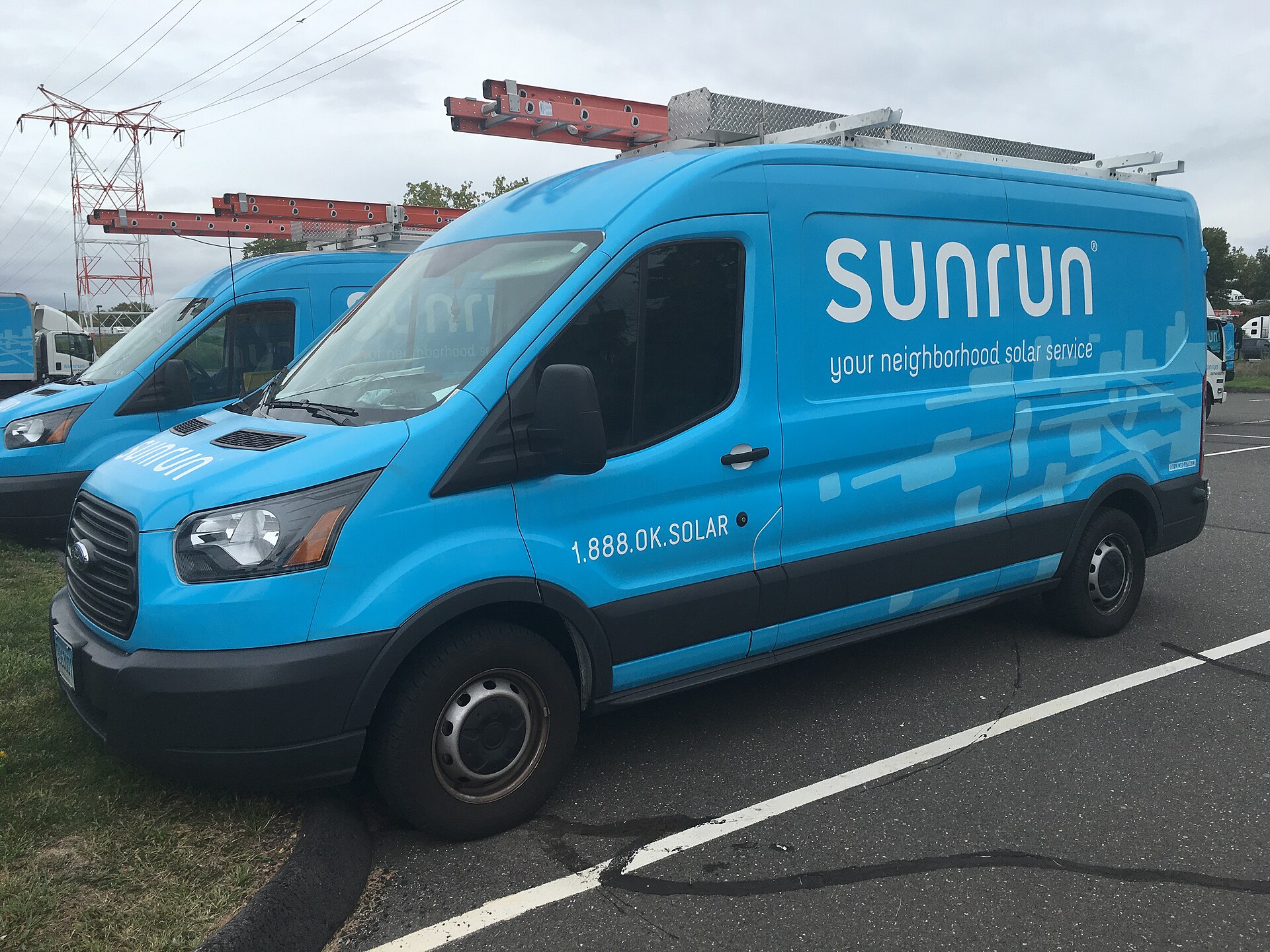
The energy debate in the United States is increasingly split between two visions: massive, centralized infrastructure serving AI data centers, and small-scale, household-level systems that put control back in the hands of consumers. New data from the country’s leading rooftop solar company, Sunrun, suggests the second path is gathering serious momentum. The firm says it has deliberately repositioned itself as a storage-first business, and the numbers behind that shift are striking.
According to figures compiled by the Solar Energy Industries Association, Sunrun accounted for nearly 48 percent of the residential energy storage systems installed across the US in 2025. The company reports that it has now deployed more than 237,000 combined storage and solar systems, representing roughly 4.0 gigawatt-hours of networked storage capacity — which it says equals about 44 percent of the 9 gigawatt-hours of residential storage installed nationwide since the industry began. Within two years, Sunrun expects to have more than 10 gigawatt-hours of dispatchable energy under its management.
The engine behind much of that growth is the virtual power plant, or what Sunrun CEO Mary Powell prefers to call distributed energy. Under these programs, grid operators coordinate the charging and discharging of thousands of home batteries, paying participating households a rebate or bill discount in return. Sunrun’s customer participation in such programs jumped fivefold, from about 20,000 in 2024 to more than 106,000 in 2025. Its storage fleet ended the year with a combined capacity of 416 megawatts — comparable to, or larger than, many gas peaker plants.
Batteries have an advantage that rooftop panels do not: they are source-agnostic. A household with a grid connection and access to a utility incentive program can potentially lower its bills with a home battery regardless of whether it generates its own solar power. Powell has also pointed to polling showing that roughly two-thirds of Sunrun’s customers value clean technology for reasons unrelated to the environment, with control and independence ranking far above concern for the planet. She has stressed that this customer base spans the political spectrum.
The reliability case has been tested in practice. During a heat event on the evening of September 9, Sunrun and Tesla coordinated 580 megawatts of residential battery capacity to ease pressure on the grid, with Tesla supplying Powerwall units and Sunrun drawing on batteries from other manufacturers. Sunrun has also highlighted storm-prone Texas, where home batteries offer backup power without the noise and emissions of diesel or gas generators. For a company that built its name on rooftops, the battery may now be the headline product.
What do you think?