
Stellantis Italy Output Rebounds, But Fiat 500 Misses Its Mark
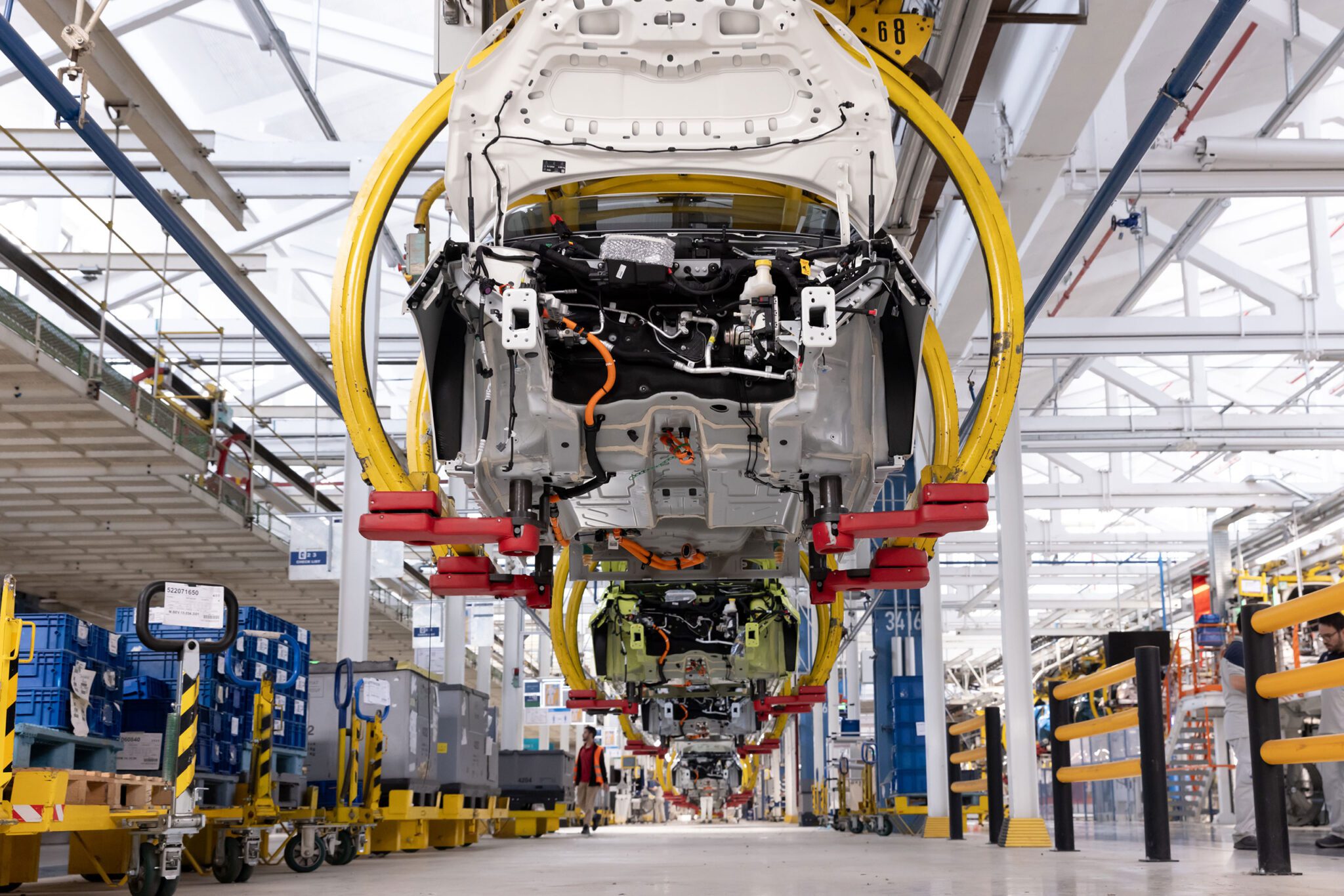
Stellantis is set to manufacture roughly 450,000 vehicles across Italy this year, putting an end to a two-year slump. According to figures from the FIM-Cisl union, output climbed 28% to 340,745 units in the first nine months of the year. That headline recovery, however, hides a narrowing industrial base and a flagship model that has failed to deliver on expectations.
The hybrid Fiat 500, positioned as a pillar of the turnaround, is now forecast to reach only about 60,000 units — far below the original 100,000 target. The shortfall stems from a mix of softer-than-expected demand and repeated stoppages tied to engine component shortages. Short-time working is set to resume at Mirafiori in late October after an eight-month pause, following stoppages there and at Melfi caused by missing parts. Passenger car production still rose 36.7% to 206,945, lifted largely by the new Jeep Compass at Melfi and the Fiat Panda, which by itself represents half of all Italian car output. Commercial vehicle output, all of it from Atessa, rose 17.3% to 133,800.
The rebound is also concentrated and fragile. Cassino remains the only car plant still contracting, with output down 37.1% on an already weak 2025. Industry Minister Adolfo Urso has called for a development plan for the site covering both models and jobs, while FIM-Cisl is due to meet Stellantis on 15 October, ahead of regional talks in Turin on 20 October. Employment across the company’s Italian plants has fallen by around 1,000 this year. The context is sobering: 2025 was Italy’s weakest car production year since 1954, at just under 380,000 vehicles built including 213,706 cars.
Competitive pressure is adding to the strain. Chinese brands captured one in four hybrid sales and one in three plug-in hybrid sales in Europe in August, exploiting the EU’s tariff gap on partially electrified vehicles. Some of that momentum feeds Stellantis indirectly through its Leapmotor International joint venture, whose EU sales jumped 211% year-over-year in August — though that activity benefits Spain, not Italian factories.
There are modest signs of relief ahead. Production of the DS7 and Lancia Gamma is due to begin, and Melfi is targeting full capacity in 2027 once new lines and an additional Alfa Romeo model are running. Yet FIM-Cisl expects Italy to fall short of the half-million mark this year, and the conditions needed to return to the million-plus units last seen in 2017 are simply not in place. Nor is spare capacity being opened up to outsiders: BYD’s talks over Stellantis’ idle Grugliasco plant ended with the site declared “not for sale,” and the Chinese automaker has reportedly shifted its search for a second European facility toward Spain and France. Italy’s car industry thus rests on one automaker running well below capacity, and on a handful of models whose demand it cannot guarantee.
What do you think?