
South Africa Urged to Launch Dedicated E-Mobility Power Tariffs as Fleet Operators Feel the Squeeze
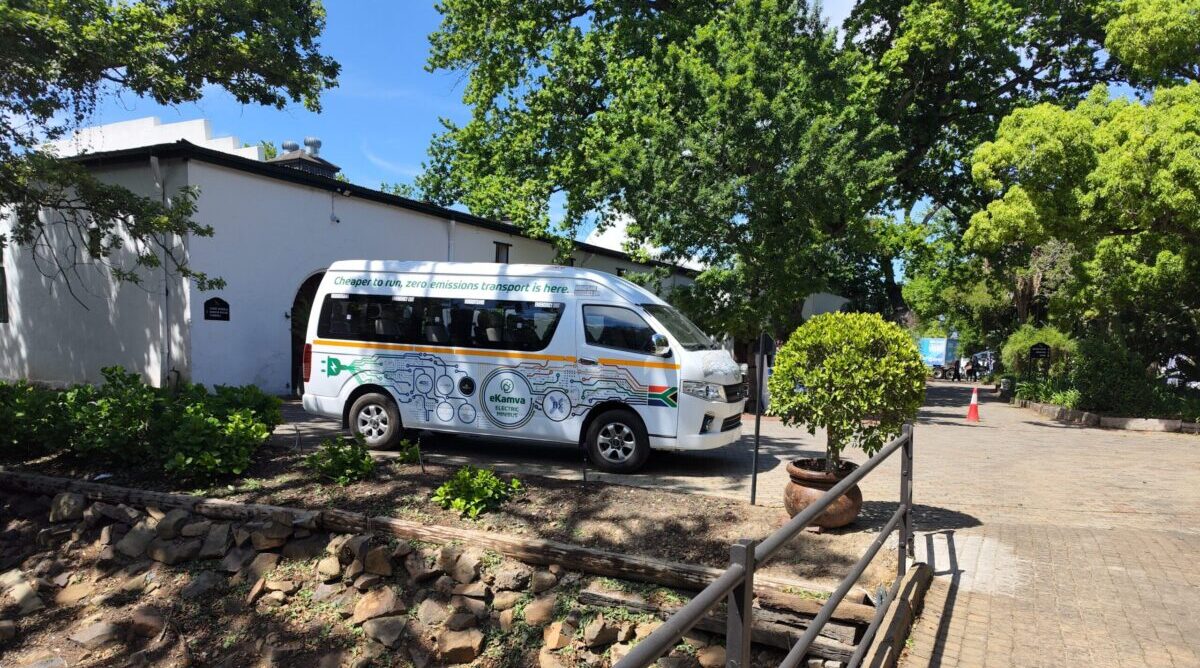
Electric mobility in South Africa is gaining momentum, but the country still lacks the policy scaffolding that has accelerated EV uptake elsewhere on the continent. While Malawi, Zambia, Rwanda, Mauritius and Ethiopia have rolled out measures such as scrapping import duties on electric vehicles and charging equipment, South Africa has yet to match that ambition. Imported EVs there can even attract higher duties and taxes than their combustion-engine counterparts, a quirk that makes adoption harder rather than easier.
Kenya offers a useful template. Although it has not introduced sweeping EV incentives, it did create a dedicated electricity tariff for electric mobility. Under that scheme, users pay roughly KShs. 16/kWh (about 0.06) off-peak, compared with commercial rates near KShs. 20/kWh and residential rates close to KShs. 30/kWh. The savings matter most for operators covering long distances every day. Kenya Power’s results underscore the effect: electricity sold to registered e-mobility customers climbed from KShs. 65.6 million in 2025 to KShs. 185.3 million in the 2026 financial year. Kenya has also removed a previous 15,000 kWh monthly cap on e-mobility tariff users, a limit that had been far too tight for electric bus fleets and battery-swap stations.
Calls are now growing for South Africa to take the same route. Speaking at the Africa E-Mobility Week Forum in Stellenbosch, Gideon Neethling of Golden Arrow Bus Services (GABS) stressed how vital viable electricity tariffs are for fleet operators. GABS, which has 160 years of history, runs 1,200 buses, of which 120 are electric, and employs 2,500 people. It plans to add 40 more electric buses soon. Neethling said savings from the existing electric fleet have shielded passengers from steep diesel price increases, and deeper electrification paired with a supportive tariff framework would extend that relief while cutting carbon emissions and reducing South Africa’s fuel import bill.
GABS charges about 40% of its electricity at standard rates, with the bulk of the rest drawn off-peak and very little at peak times. The company also operates a substantial solar array at its depot. Cape Town’s modest 7% peak-time hike has had limited impact on GABS given its charging profile, but a 9% standard-rate increase and a 25% off-peak increase in the current financial year bite hard, since off-peak is when the fleet charges most. Neethling asked for a tariff regime that would not put operators out of business.
With load shedding effectively behind it, South Africa looks well placed to act. Eskom reports its strongest performance in six years, an energy availability factor of 68.11%, diesel expenditure down 80.49% year-on-year, and more than 500 consecutive days without load shedding since 16 May 2025. At the same time, national electricity sales have fallen by over 6% in the financial year, leaving the utility hungry for demand. A dedicated e-mobility tariff weighted toward off-peak charging, following Kenya’s approach across peak, standard and off-peak bands, could both steer EV owners toward cheaper hours and give Eskom the consumption it needs, while making electric transport more attractive across the country.
What do you think?