
Rivian Sets Delivery Record in Q3 2026 as R2 Defies US EV Downturn
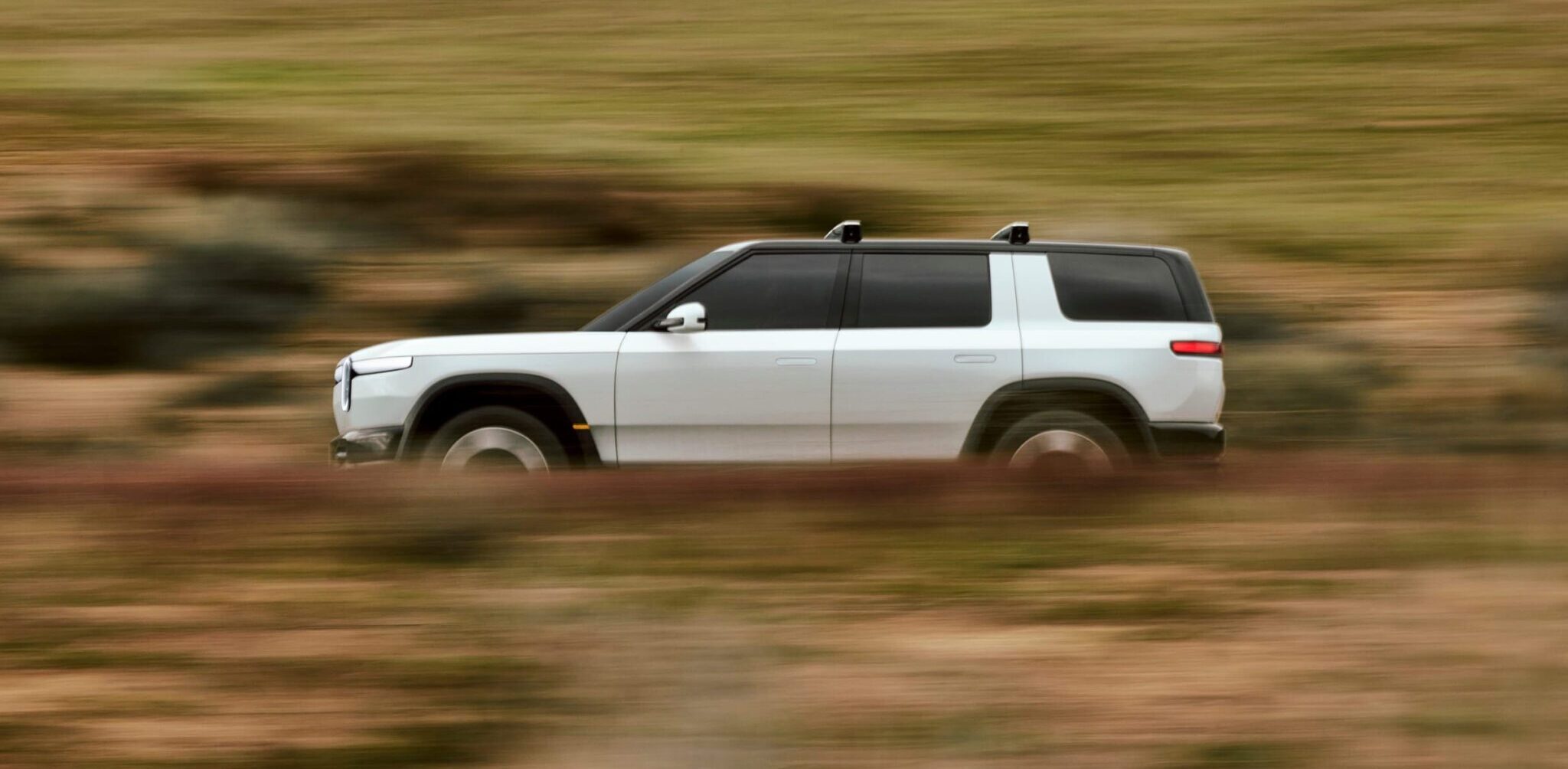
Rivian’s latest production figures suggest the company has found its footing even as the broader American EV market stumbles. The manufacturer delivered 19,248 vehicles in the third quarter of 2026, a 46% increase compared to the same period last year. This performance exceeded analyst expectations of 18,001 units and marked a company record. Notably, this was the first quarter to fully include sales of the new R2 model, which has quickly become a central part of Rivian’s lineup.
The significance of these numbers is amplified by the current state of the US electric vehicle sector. Following the removal of the federal EV tax credit, the wider market has contracted by 15% in the first half of the year. While competitors like General Motors have scaled back production of affordable models such as the Bolt, Rivian has managed to grow. The R2, currently available only in a Performance trim priced just under $60,000, is attracting buyers who are less sensitive to the loss of subsidies. During the quarter, Rivian’s Normal, Illinois facility produced 19,751 vehicles, and the company has reaffirmed its full-year delivery guidance of 65,000 to 70,000 units.
To hit even the lower end of that target, Rivian must deliver at least 23,193 vehicles in the fourth quarter, representing a sequential jump of over 20%. The company is aiming to produce 20,000 to 25,000 R2 units by year’s end with the addition of a second production shift. However, the rapid ramp-up has not been without challenges; a recall was recently issued for 14 R2 vehicles due to improperly tightened high-voltage battery fasteners, which could potentially cause a loss of power. Despite this, consumer demand appears robust, with Rivian moving approximately 6,400 units per month, mostly at premium prices, far outpacing the volume of budget EVs like the Bolt.
The real test for Rivian’s mass-market ambitions is scheduled for next year. While the current Performance trim has proven popular, more affordable versions are on the horizon. A Premium R2 is expected later in 2026 at 48,490. A base model starting around $45,000 is planned for late 2027. CEO RJ Scaringe has emphasized that scaling the R2 is critical to the company’s path to profitability, hinting that future iterations manufactured at the planned Georgia facility will be priced significantly lower starting in 2028.
However, volume alone may not be enough to secure Rivian’s financial future. The company is currently guiding an adjusted EBITDA loss of 2 billion for the year and has delayed its profitability goal to 2027 to fund autonomy development. This strategy includes a partnership with Uber, which has agreed to invest up to $1.25 billion and deploy fully autonomous R2 robotaxis by 2028. While the third quarter proves that a compelling EV can still succeed without government incentives, the true measure of Rivian’s mass-market viability will come when the more affordable Standard Long Range model arrives and price sensitivity becomes the primary factor for buyers.
What do you think?