
Slate Opens First Retail Hub in Chicago, Puts Its $24,950 Electric Pickup Behind the Wheel
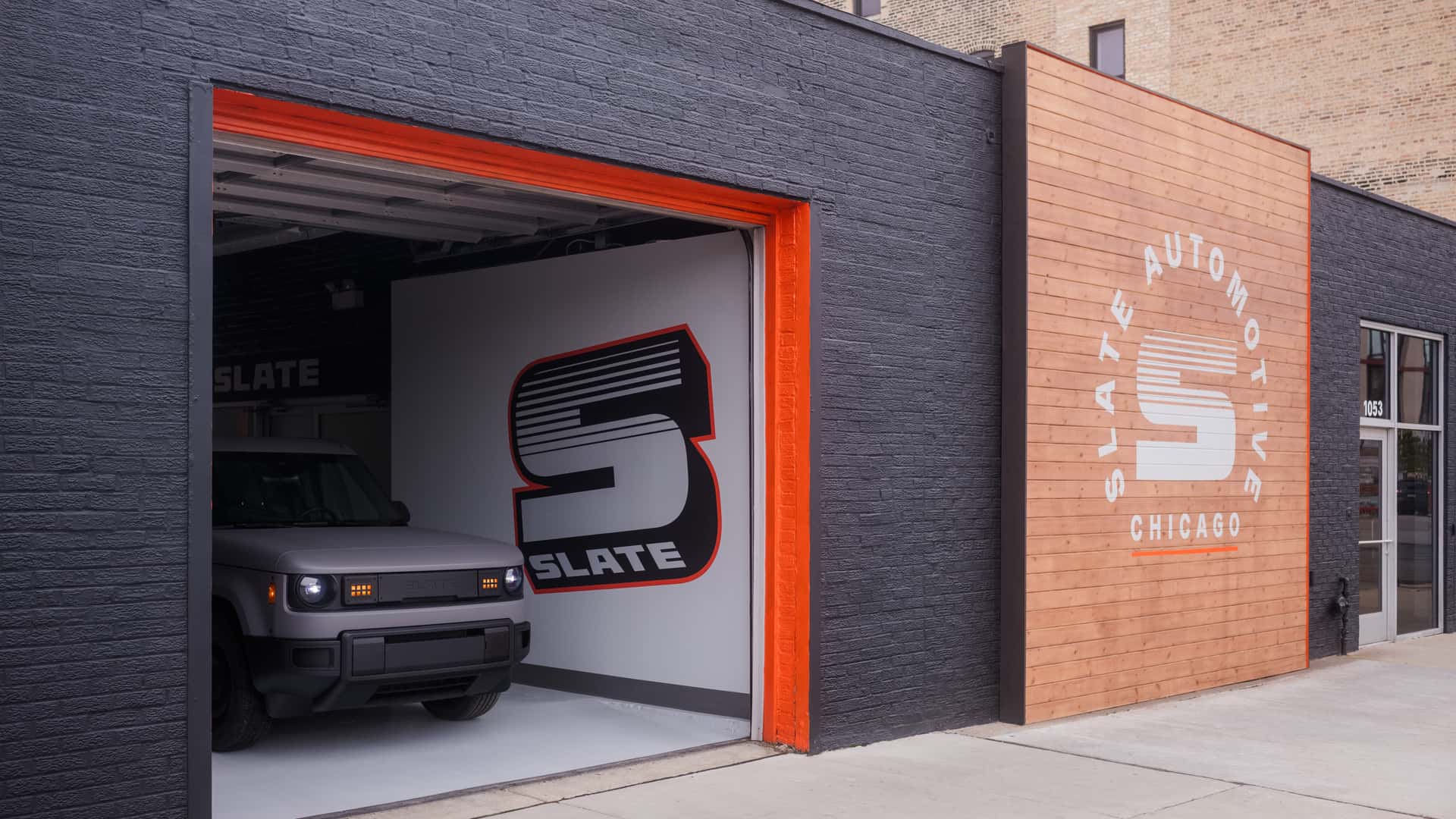
Slate Auto has finally given shoppers a physical place to kick the tires. The startup announced Thursday that its debut Slate Experience Center is now welcoming visitors at 1053 W. Grant Ave in Chicago, giving locals a chance to inspect the low-cost electric pickup up close instead of relying solely on an online configurator.
The Chicago outpost is more than a showroom floor. Visitors can climb inside to gauge how a compact two-door truck actually fits them, run their hands over the build quality, and browse the accessories and option packages that Slate leans on heavily. Test drives are part of the deal too—a notable detail for a vehicle whose manual crank windows have become a talking point. A company spokesperson declined to say how many similar locations are planned or how quickly they might appear.
That single-store footprint reflects a deliberate, unusual strategy. Unlike Rivian, Tesla, and Lucid, which have poured capital into company-owned retail and service networks, Slate is keeping assets light. The company has instead partnered with RepairPal, which screens independent shops, to handle maintenance and repairs. A modest physical presence lets the brand stay tangible to buyers without the overhead of a full-blown dealer infrastructure.
The truck itself is the headline draw. Slate says the pickup will reach customers by the end of 2026, priced at $26,400 including destination—a figure that would make it the cheapest EV sold in the United States. An LFP battery pack delivers a claimed 205 miles of range, and the cabin is intentionally stripped down, with no frills to speak of. Buyers can spend extra to add accessories or swap the body style entirely for one of several five-seat SUV configurations. There’s also an Open Air kit that installs seats in the bed beneath a rollover bar for rear passengers.
The core appeal, though, is the $24,950 figure Slate has used to market the truck, and the Chicago center is designed to help shoppers decide whether that price justifies the trade-offs. Whether large numbers of Americans will embrace such a deliberately basic vehicle remains an open question—one that a hands-on visit may help answer. For a young automaker trying to stand out, letting people actually sit in the thing is a sensible first step.
What do you think?