
Seattle Opens Applications for 200 Curbside EV Chargers, Rolling Out Through 2030
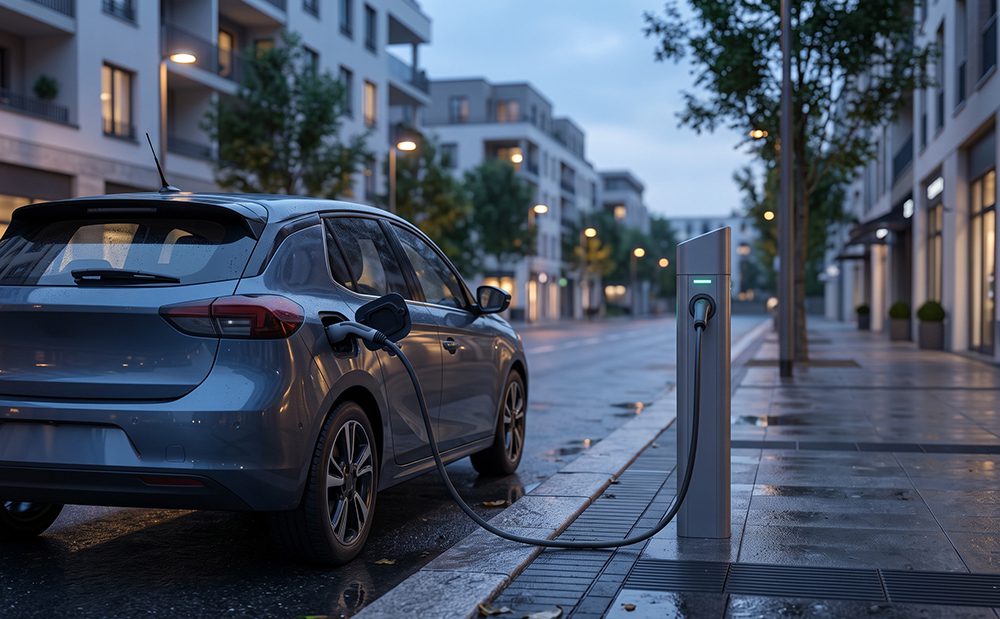
Seattle is throwing a lifeline to EV drivers who park on the street. The city has opened applications for its Curbside Level 2 EV Charging Program, an effort to put as many as 200 new public chargers at the curb by the end of the decade — aimed squarely at households without a driveway or garage of their own.
That’s no small group in this city. Roughly half of Seattle’s homes are apartments or condos, and many of those residents have nowhere off-street to plug in overnight. The new hardware is being designed around exactly that habit: slow, steady charging while the car sits untouched until morning.
How the Program Works
The rollout is a joint effort between the city’s public utility and its transportation department. Money comes from the Seattle Transportation Levy, which voters approved, while chargers placed outside Seattle city limits — in Burien, SeaTac, Shoreline and Tukwila — will be covered by the utility’s transportation electrification budget.
- Power output: Up to 9.6 kW per Level 2 station
- Who can apply: Residents who want a charger near their home, via the Seattle.gov website
- Application window: Open until fall 2027
- Installation start: Late 2027
- Full buildout: All 200 units in service by 2030 at the latest
At a Glance: Up to 200 curbside chargers · 9.6 kW Level 2 power · $0.21 per kWh · Applications open through fall 2027
The city isn’t picking sites at random. Selection will lean toward neighborhoods where charging options are thinnest and demand is highest — a deliberate attempt to spread access rather than pile more plugs into areas already well served.
A Pilot That Earned Its Keep
This isn’t Seattle’s first swing at curbside charging. Across 2023 and 2024, the utility and transportation department ran a trial that placed 58 public Level 2 chargers at 31 locations around the city. Usage ran high and residents responded well, which gave officials the confidence to scale up.
Seattle City Light will operate the new stations once they’re live. The current rate sits at $0.21 per kWh — cheap enough to make overnight top-ups genuinely attractive compared with public fast-charging rates.
Why Curbside Matters More Than It Sounds
Most charging discussions revolve around highway corridor fast chargers or home wallboxes. Both assume something a lot of urban renters simply don’t have: a private parking spot. Curbside Level 2 fills that gap quietly, turning the street outside an apartment block into a usable refueling point.
For Seattle, the math is straightforward. If half the housing stock is multi-family, then a charging network built only around driveways leaves a large share of residents out of the transition entirely. Public money going into pavement-side plugs is one way to close that gap.
The timeline is patient — first installations in late 2027, full completion by 2030. Whether 200 chargers can keep pace with local EV adoption is an open question, but the application window gives residents a direct say in where they land.
Photo: Charged EVs · Official Press Kit / Editorial (Editorial / Press Kit)
Source: Charged EVs
Curious how this compares to other EVs? Try our comparison tool →What do you think?