
CATL Moves Solid-State Cells to 20 Ah Trial Line, 500 Wh/kg Still the Target
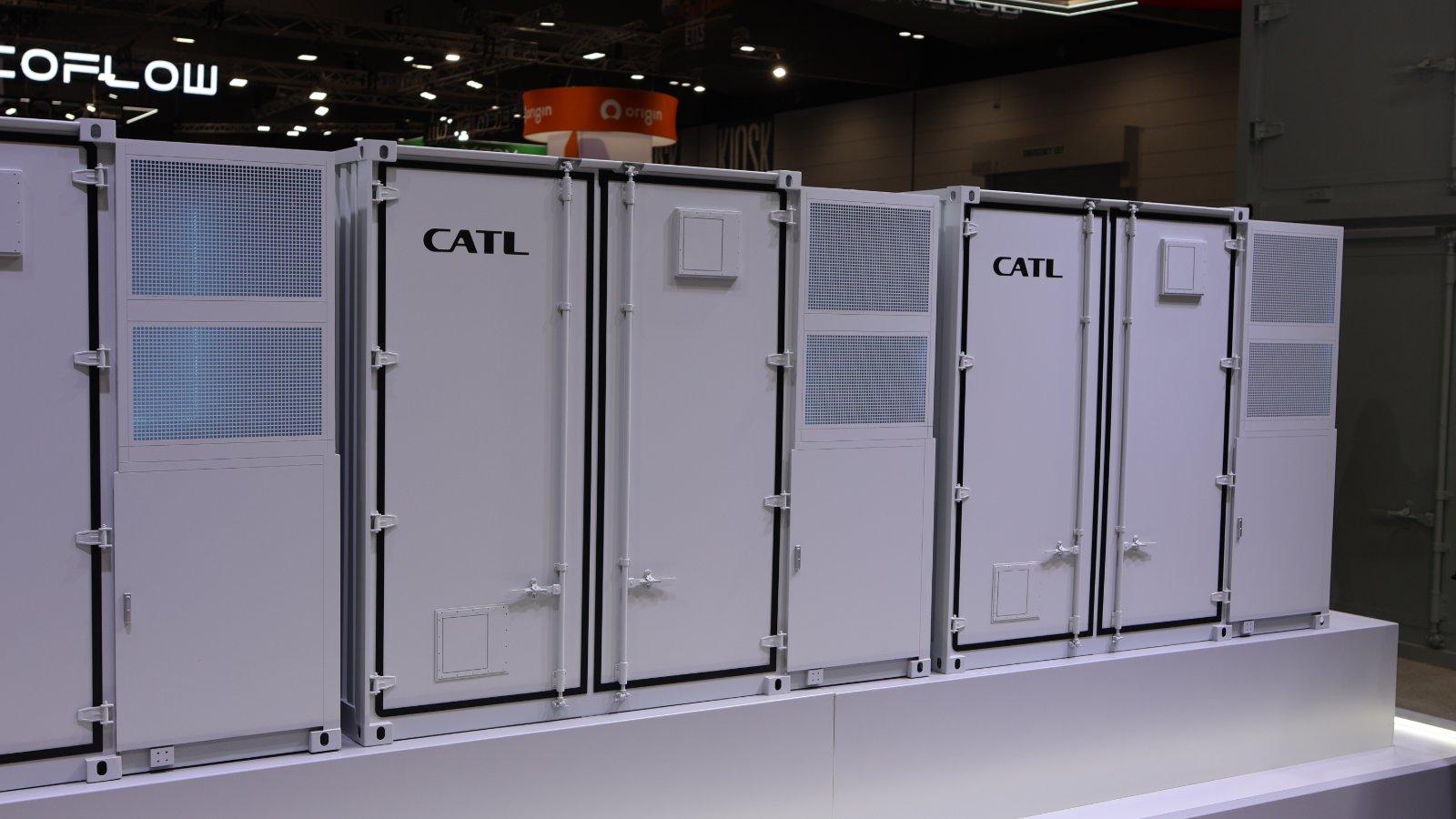
CATL has nudged its all-solid-state program past another checkpoint: the cells are now running through 20 Ah trial production, with 500 Wh/kg held up as the long-term energy density goal. Small-scale output is slated for 2027.
The battery giant confirmed the progress this week while fielding investor questions, saying it keeps pouring money into all-solid-state development. Volume manufacturing, though, is a job for the end of the decade — roughly 2030.
Why 20 Ah Matters
Scaling a cell from a lab coin sample to something in the 20 Ah range is a different kind of engineering problem. It tests whether the electrolyte, cathode and interfaces can survive real manufacturing, not just a controlled bench test. CATL’s cells rely on a sulfide-based solid electrolyte, picked for its high ionic conductivity and its ability to deform rather than crack.
The stubborn part is contact. Keeping the solid components pressed together in a stable, lasting way through cycling is the sort of hurdle that has kept solid-state batteries in the lab for years. Hence the cautious language from management.
Chairman and CEO Robin Zeng offered a scorecard in June at the Summer Davos Forum, rating all-solid-state technology four out of nine on a maturity scale. Not a finish line — a progress report.
Program Snapshot: 20 Ah cells in trial production · 500 Wh/kg energy density target · sulfide-based electrolyte · small-scale output in 2027 · mass production around 2030
The 2027 Queue Is Getting Crowded
CATL is not racing alone. Toyota has been talking up solid-state for close to a decade and now points to 2027 or 2028 for a first battery-electric model using the tech. Its prototype claims have been ambitious: 745 miles (1,200 km) of range and a charge under 10 minutes, using cathode material developed with Sumitomo Metal Mining’s powder synthesis process. Toyota, like CATL, warns early output will be thin.
Samsung SDI is aiming its SolidStack cells at mass production in the second half of 2027. BYD, sitting second in global battery sales, has its own 2027 target for a solid-state vehicle, with FinDreams planning limited sulfide-based batches that year and a ramp toward 2030. Executive vice president Stella Li told Carwow.es last month that BYD is in “the leading position” and intends to prove it next year.
Solid-State Isn’t the Whole Story
It’s easy to frame solid-state as the one breakthrough that settles everything. It won’t. CATL, BYD and their rivals are still pushing chemistry that can actually be built at scale today — LFP and sodium-ion among them. Those lines are where the cost and efficiency gains are landing right now.
BYD’s second-generation Blade LFP packs, for instance, already claim over 1,000 km (621 miles) on the CLTC cycle. Solid-state will arrive as a premium layer on top of that stack, not a replacement for it.
For drivers, the takeaway is simpler than the chemistry: longer ranges, quicker charging and better performance keep arriving whichever cell type wins the headline.
Photo: CATL / CnEVPost - Battery · Official Press Kit / Editorial (Editorial / Press Kit)
Source: Electrek
Curious how this compares to other EVs? Try our comparison tool →What do you think?