
Rivian's R2 Is Already Its Best-Seller — and Wall Street Noticed
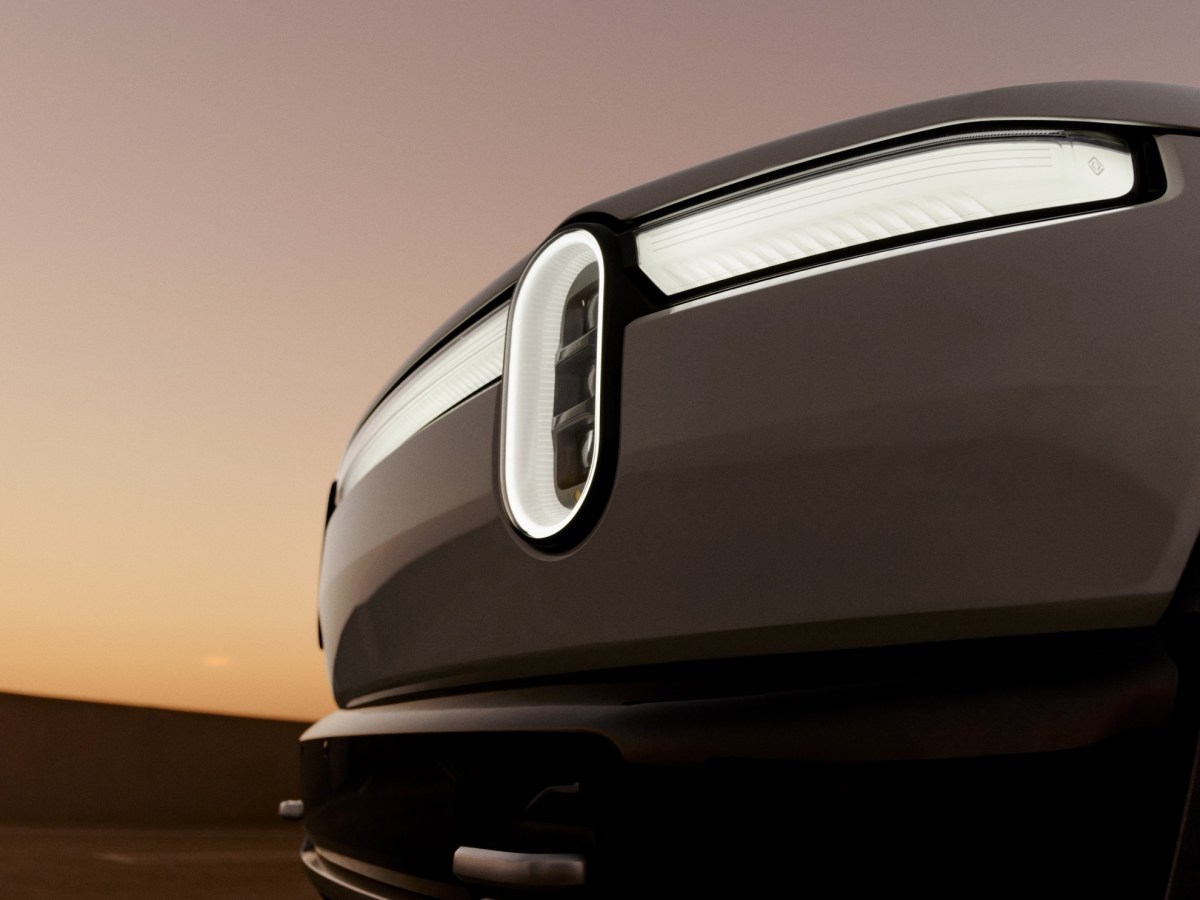
Rivian has a hit on its hands. The R2 SUV, launched only in June, came out of the third quarter as the company’s top-selling vehicle, a result strong enough that Rivian raised its full-year delivery guidance for the second time this year.
The previous target sat between 65,000 and 70,000 EVs. The company now puts the floor at 67,000. That matters more than it sounds: Rivian has spent three years stuck below the 50,000-vehicle mark annually, and clearing that ceiling would end a long stalemate.
A Cheaper SUV, a Harder Problem
Rivian’s gamble with the R2 was never about demand — it was about production speed. Pushing a lower-cost model into high-volume manufacturing at a historically fast clip is exactly the part that has tripped up EV startups before. So far the Normal, Illinois plant is keeping up, helped by a second production shift that went live during the quarter.
Q3 output came in at 19,751 vehicles built and 19,248 delivered. Compare that with the second quarter of 2026, when Rivian built 12,613 and handed over 12,194, and with the same period last year, when deliveries were roughly 45% lower.
Rivian credits the R2 with “much of the gain quarter-over-quarter” but did not break out a specific unit count for the SUV.
The Tax Credit That Wasn’t There
The timing here is unusual. The R2’s early run came after the disappearance of the $7,500 federal EV tax credit — a change that, combined with regulatory shifts under the Trump administration, pushed several major automakers to refocus on combustion and hybrid lineups.
That retreat left the pure-EV lane more open than it had been in years. Tesla and Rivian are the ones still standing in it.
Q3 by the numbers: 19,751 vehicles built · 19,248 delivered · $2.2 billion revenue · $913 million net loss (down from $1.2 billion a year earlier)
The money side is still ugly. A net loss of $913 million for the quarter is an improvement, not a solution. But the company’s shareholder letter frames the R2 in exactly the terms investors want to hear: an attractively priced option in a U.S. market “starved for high-quality EV choice,” with a broad consumer base and a path toward long-term profitability.
The Price Ladder Below $60,000
The R2’s sticker story is a staircase, and Rivian is walking down it deliberately.
- Launch pricing: Just under $60,000 for the initial version
- Premium trim: $53,990, expected later this year
- Entry versions: As low as $44,990, slated for 2027
Each step down the ladder widens the pool of buyers, and each one tests whether Rivian can keep margins from collapsing as volume climbs. That is the real experiment behind the R2’s early sales lead.
For now, the signal is clear enough: Rivian’s smallest, cheapest product is doing the heavy lifting. Whether it can keep doing so once the sub-$45,000 trims arrive is the question that will define the company’s next three years.
Photo: Rivian / TechCrunch - Transportation · Official Press Kit / Editorial (Editorial / Press Kit)
Source: TechCrunch - Transportation
What do you think?