
Musk's SpaceX-Tesla Talk Signals a Shift: Cars as Hardware for Physical AI
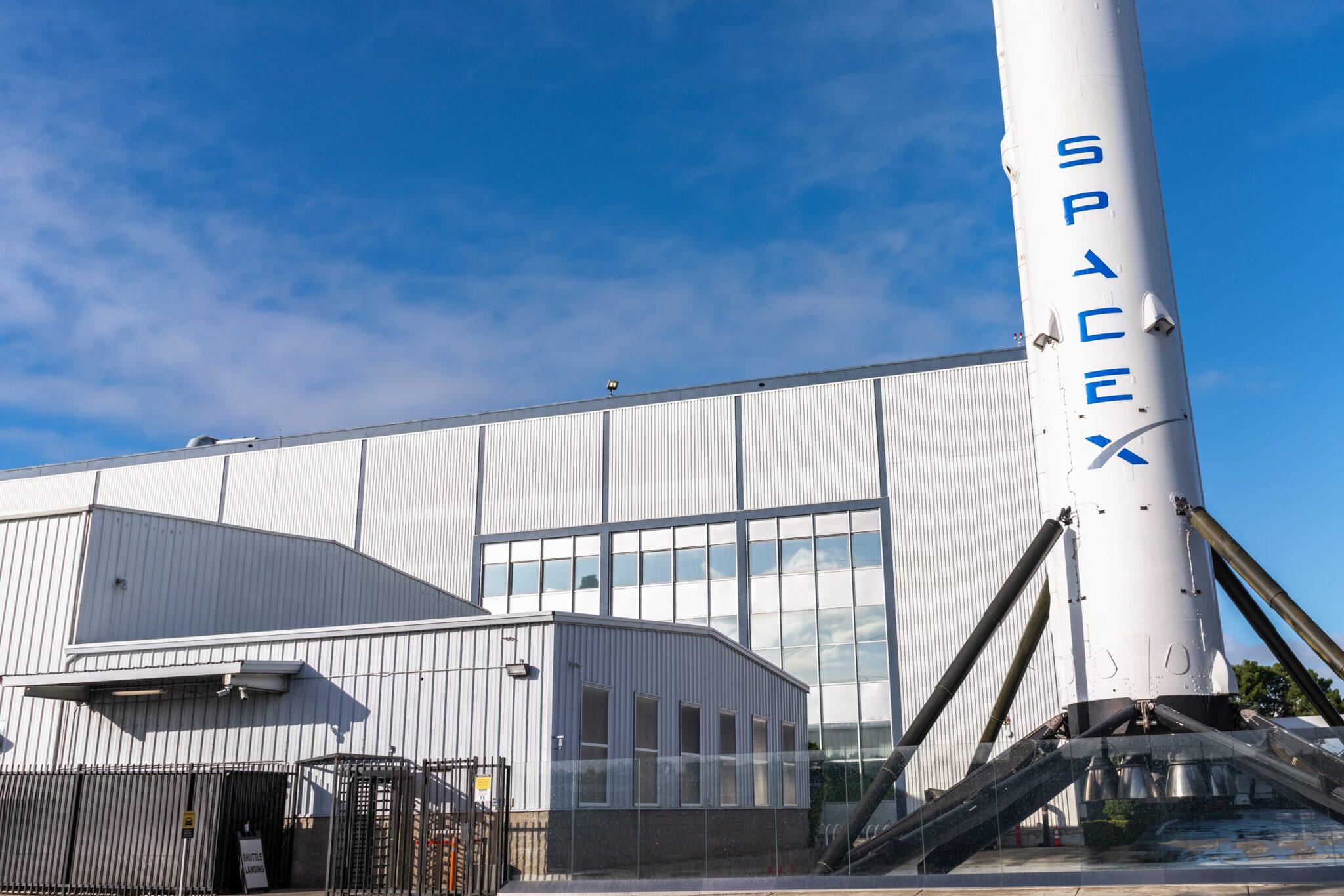
Elon Musk’s willingness to see a SpaceX-Tesla merger take shape is raising a bigger question than any deal structure: what is Tesla actually for? The read from this week’s automotive AI briefing is that the company’s vehicles may increasingly function as hardware platforms for selling physical AI, with carmaking sliding toward the supporting role.
That is a notable reframing for a business that built its identity on putting electric sedans and SUVs in driveways. If the thesis holds, the metal and the battery pack matter less than the compute stack and the data it feeds.
The Porsche-Led Data Play at Volkswagen
Separately, Volkswagen Group has pulled together a data pipeline led by Porsche and built with Nvidia, Microsoft and Voxel51. The stated target is striking: up to 90% fewer physical test drives.
That number is where the real story sits. Physical testing is slow, expensive and hard to scale across a sprawling group with dozens of nameplates. Shifting the burden to simulated and data-driven validation changes both the cost curve and the development clock — assuming the models hold up when a prototype finally meets real asphalt.
- Who’s involved: Porsche leading, with Nvidia, Microsoft and Voxel51 supplying the tooling
- The goal: as much as 90% reduction in physical test drives
- Why it matters: shorter development cycles and lower validation costs across VW’s brands
And yet, fewer test kilometres on public roads is exactly the kind of claim regulators and safety engineers will want to pick apart. Simulation is only as good as the scenarios written into it.
Open-Source Autonomy Gets Nvidia’s Hyperion
On the software front, Tier IV and TUM are bringing Nvidia’s Hyperion platform into open-source Autoware projects. Putting a commercial compute reference design inside an open-source autonomy stack is a practical move — it gives developers a known target to build against rather than a moving one.
At a Glance: SpaceX-Tesla merger talk · VW’s Porsche-led data pipeline targets up to 90% fewer physical test drives · Nvidia Hyperion joins open-source Autoware via Tier IV and TUM · Chery’s Aimoga opens Mobo home robot pre-orders
Chery’s Robot Walks Out of the Plant
Then there’s Chery, which through its Aimoga unit has opened pre-orders for the Mobo home robot. A Chinese automaker taking orders for a domestic robot is a reminder that the AI ambitions of car companies are no longer confined to the garage.
The throughline across all four items is the same: automakers are positioning themselves around intelligence — chips, data pipelines, models — while the vehicle becomes one outlet among several. Whether that makes them stronger businesses or simply spreads them thinner is the open question.
Photo: Automotive World · Official Press Kit / Editorial (Editorial / Press Kit)
Source: Automotive World
What do you think?