
Renault 4 E-Tech Gains 415 km Range as LFP Entry Version Joins Lineup
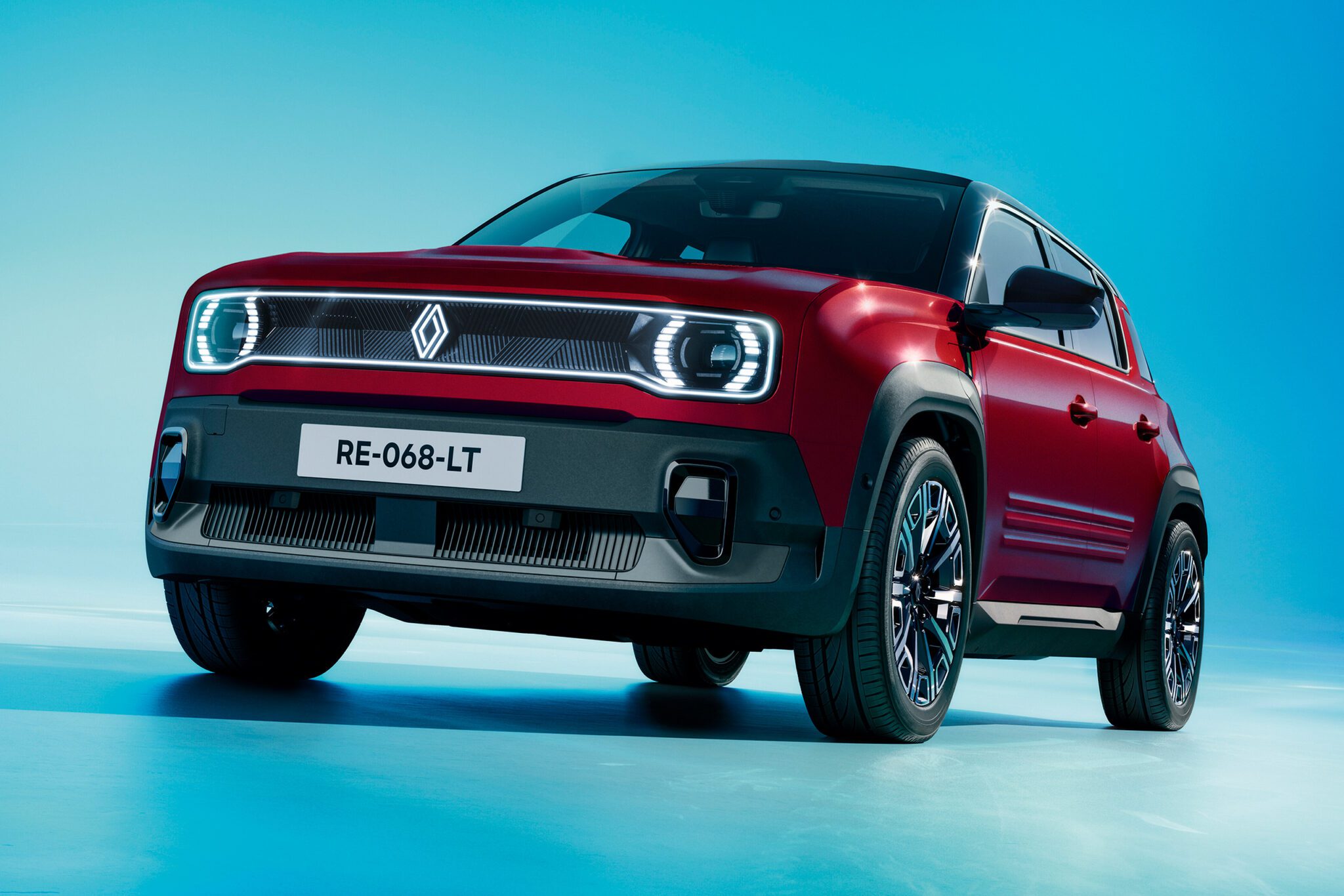
Renault is broadening the Renault 4 E-Tech family with two significant moves at once: a new entry-level variant built around a lithium iron phosphate (LFP) battery, and a range boost for the versions already on sale. Order books are set to open on 12–13 October, giving European buyers their first chance to configure the revised lineup.
The headline figure is the extended WLTP range, which now reaches up to 415 km when the car is specified with the 52 kWh battery. The smaller 40 kWh pack has also gained ground, with a rated figure of 310 km. Renault credits aerodynamic revisions for the improvement, a reminder that efficiency work on the body can deliver meaningful range gains without adding cells.
The new Jogging trim sits at the bottom of the range and arrives before the end of 2026. It pairs a 37 kWh cell-to-pack battery rated at 305 km with an 80 kW (110 hp) motor shared with the Twingo E-Tech family. DC charging from 10% to 80% takes a claimed 25 minutes. Because iron phosphate chemistry is typically less expensive than nickel-based alternatives, the Jogging version points toward a lower entry price, though Renault has so far kept pricing under wraps.
Across every version, Renault is adding equipment aimed at practicality and safety. Manual battery pre-conditioning now lets drivers warm the pack ahead of a rapid-charging stop, a high-definition reversing camera improves low-speed manoeuvring, and a predictive eco-driving assistant coaches more efficient habits. An emergency stop function can bring the car to a halt if the driver stops responding. A Roland-Garros special edition with the larger battery also joins the range.
Business customers are covered by a second Renault 4 Van variant called Extra, offered in six European markets with up to 360 kg of payload. Renault subsidiary Qstomize handles the conversion at Maubeuge, where the rear seats are removed in favour of a moulded cargo tray. The combined package suggests Renault is using LFP to chase affordability in the small EV segment rather than range alone.
What do you think?