
ProLogium and Rimac Set Sights on 2028 for Solid-State Battery Vehicle Trials
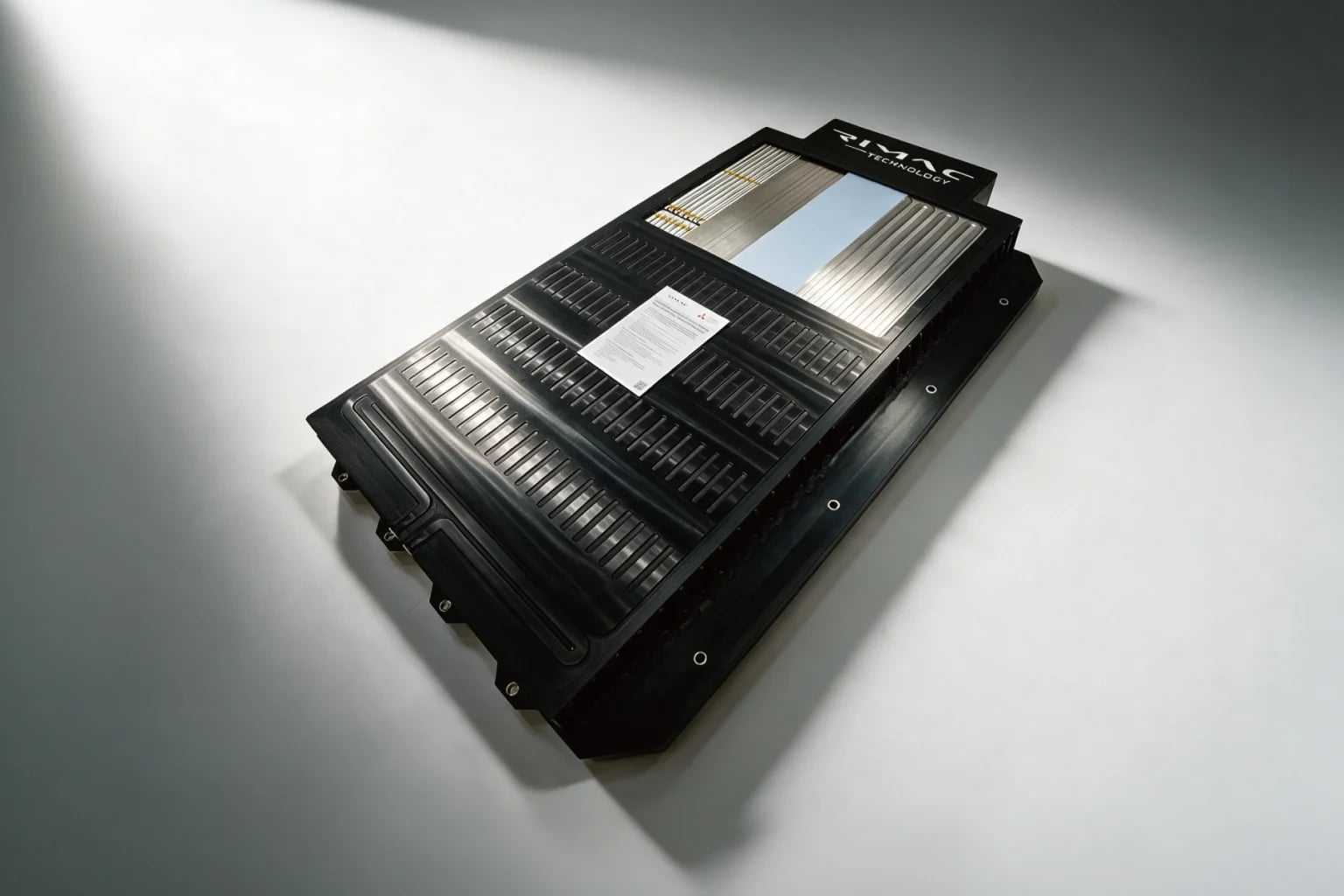
Taiwanese battery developer ProLogium and Croatian electric hypercar maker Rimac have announced a partnership to put solid-state battery cells into test vehicles by 2028. The collaboration aims to validate the technology in real-world automotive conditions, marking a significant step toward commercialization. Solid-state batteries are widely considered the next frontier for electric vehicles, promising higher energy density, faster charging, and improved safety compared to conventional lithium-ion cells. However, the technology has struggled to move from lab to road due to manufacturing challenges and cost.
According to the companies, the joint effort will integrate ProLogium’s solid-state cells into Rimac’s vehicle platforms for testing. Rimac, known for its high-performance electric hypercars like the Nevera, brings expertise in battery pack design and thermal management—critical for pushing solid-state cells to their limits. ProLogium, on the other hand, has been developing its proprietary ceramic electrolyte technology, which it claims can enable higher voltage and more compact battery packs. The partnership aims to demonstrate the viability of solid-state batteries in demanding applications, starting with prototypes.
The 2028 target aligns with broader industry timelines. Major automakers such as Toyota, Nissan, and Volkswagen have also set similar deadlines for solid-state battery pilots, though mass production is not expected until the 2030s. ProLogium itself has been expanding its manufacturing footprint, with a planned gigafactory in France to supply European automakers. Rimac, meanwhile, has been diversifying beyond hypercars, supplying battery systems to other manufacturers through its Rimac Technology division.
While the announcement signals progress, several hurdles remain. Solid-state batteries still face issues with cycle life, interface stability, and scalable production. The partnership’s success will depend on whether ProLogium’s cells can withstand the rigorous demands of Rimac’s performance vehicles and whether costs can be brought down for broader adoption. For now, the 2028 test milestone offers a concrete checkpoint for a technology that has long been promised but not yet delivered.
If successful, the collaboration could accelerate the adoption of solid-state batteries in high-performance EVs and eventually mainstream models. It also underscores the growing role of specialized battery developers in the automotive supply chain, as automakers race to secure next-generation technology. The outcome of these tests will be closely watched by industry stakeholders and consumers alike, as solid-state batteries could reshape the EV landscape in the coming decade.
What do you think?