
Porsche Pulls Back on EV Sprint, Bets on Combustion and Plug-In Hybrids
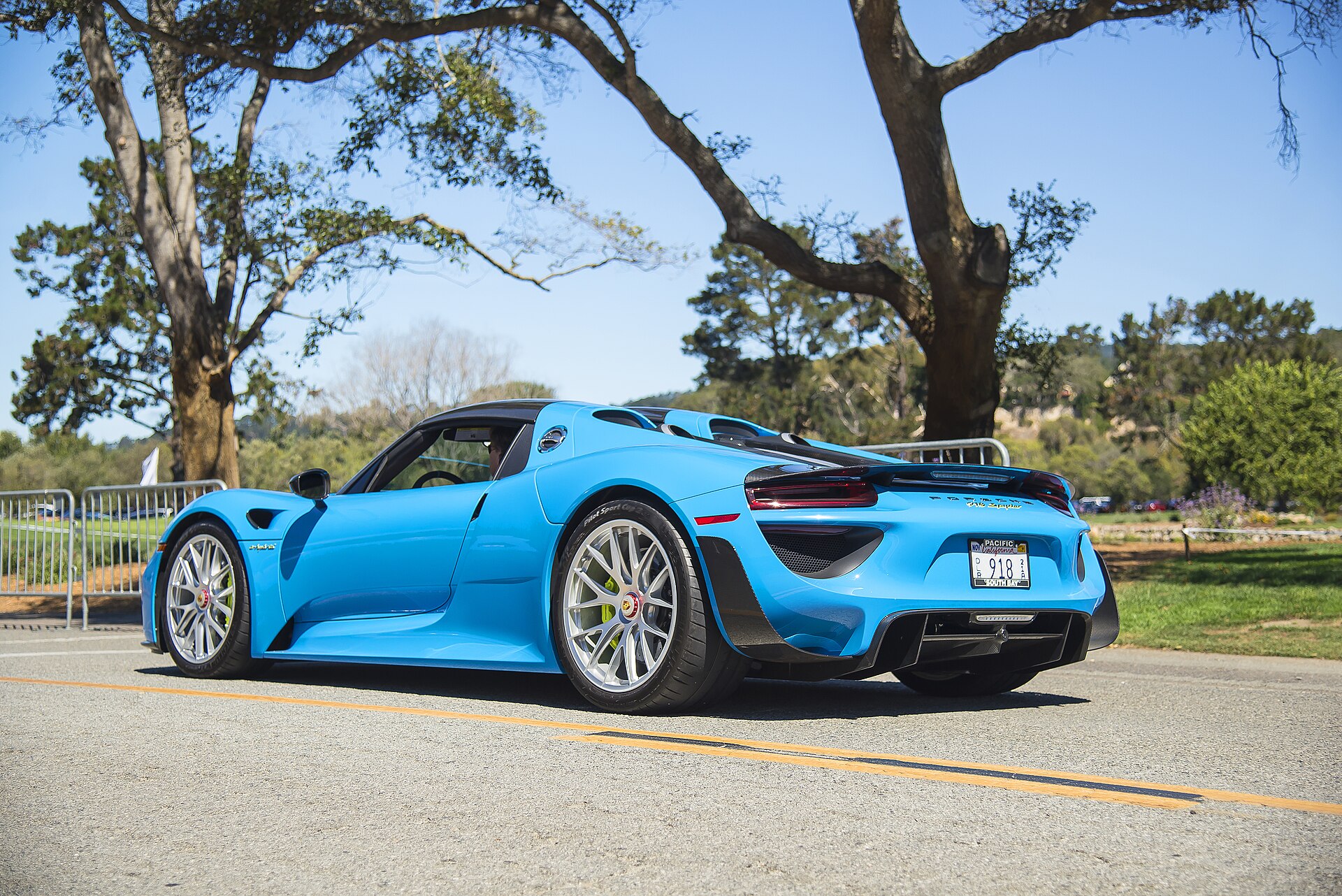
Porsche is recalibrating its product strategy, shifting its emphasis away from a rapid EV-only transition and back toward combustion engines and plug-in hybrids. The performance brand, once among the most vocal proponents of electrification in the premium segment, is now renewing investments in conventional and hybrid powertrains as it rethinks how quickly its customer base will move to battery-electric vehicles.
The change reflects a broader reality check across the auto industry. Automakers that had penciled in aggressive EV adoption curves are finding that demand is not climbing as fast as anticipated, particularly in markets where charging infrastructure remains uneven and where buyers still prize the sound, range and refueling convenience of internal-combustion engines. For a brand built on driving emotion, that recalibration carries particular weight.
Alongside the powertrain rethink, Porsche is also moving away from chasing sales volume as its primary path to profitability. Instead of measuring success by unit growth alone, the company is leaning on its pricing power, its lineup of higher-margin performance models and a more disciplined approach to production and demand. That marks a notable philosophical shift for a marque that has expanded its portfolio considerably in recent years.
The strategy signals that Porsche sees plug-in hybrids as a bridge technology rather than a stopgap. PHEVs can deliver electrified driving in urban use while retaining the long-distance capability and emotional appeal that traditional Porsche buyers expect. By keeping combustion engines in the mix, the brand preserves flexibility if EV adoption continues to lag forecasts.
For the wider industry, Porsche’s pivot is another data point suggesting that the road to electrification will be more uneven than the straight line many executives once promised. Premium brands with strong margins and loyal customers may have more room to adapt than mass-market players, but the underlying lesson applies broadly: product plans built on optimistic EV timelines are being rewritten in real time.
What do you think?