
Autonomous Trucks Win Regulatory Relief as Hydrogen Buses and Safety Ratings Advance
A cluster of developments is reshaping the commercial vehicle landscape this week, with regulators, manufacturers and safety bodies all making moves that could ripple through fleets for years to come.
The most consequential shift comes from US regulators, who have granted autonomous trucking operators a five-year exemption allowing cab-mounted warning beacons in place of traditional reflective triangles. Aurora leads the group of companies benefiting from the decision, which removes a practical hurdle that had complicated roadside compliance for driverless rigs. Reflective triangles assume a human hand to place them; beacon systems do not, and the exemption effectively acknowledges that the regulatory framework needs to catch up with vehicles that operate without anyone aboard.
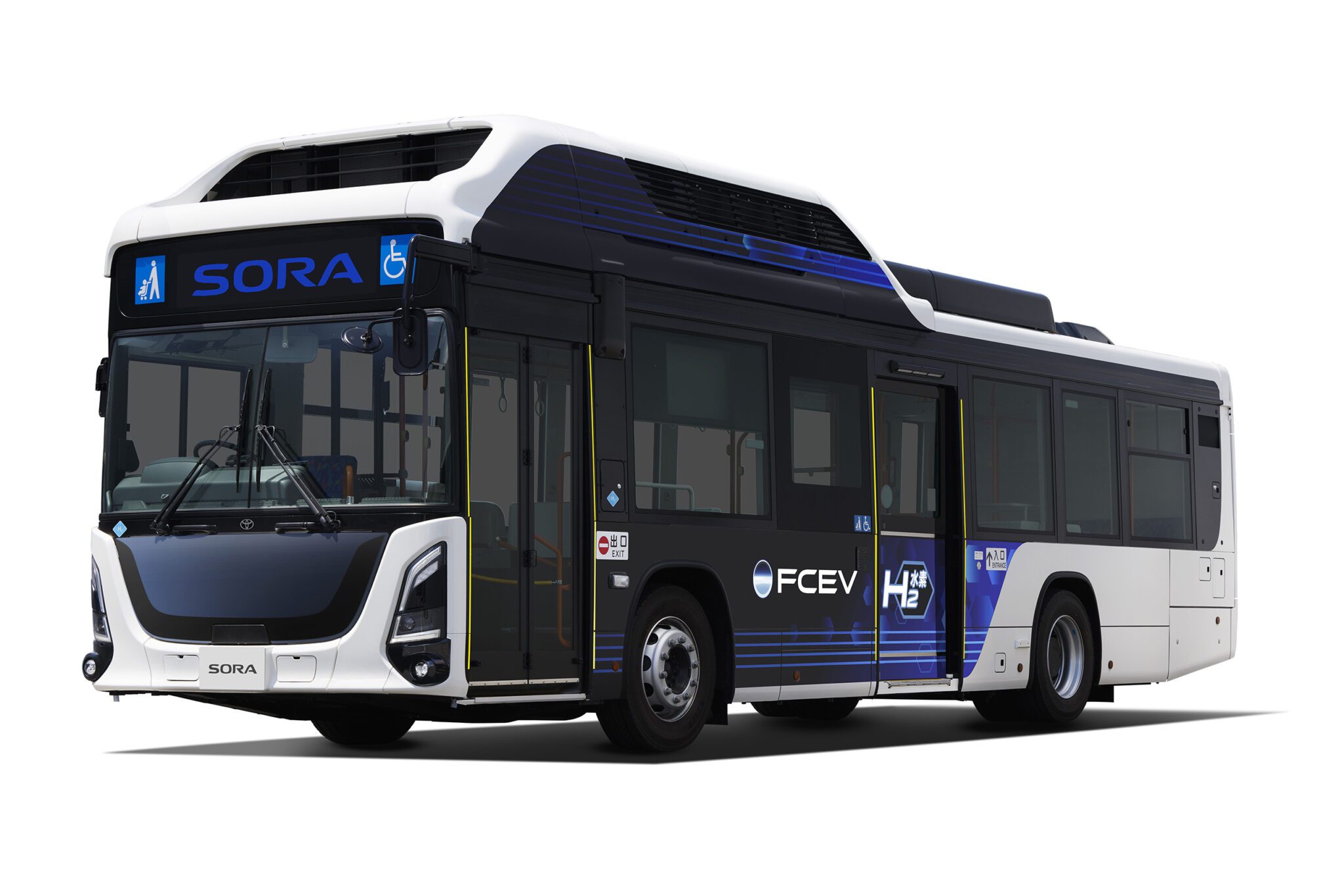
On the manufacturing side, Toyota has pulled the cover off a second-generation Sora fuel cell bus, developed jointly with Isuzu. The collaboration signals continued momentum behind hydrogen as a zero-tailpipe option for transit and heavy-duty routes, where battery weight and duty cycles remain stubborn challenges. Pairing Toyota’s fuel cell expertise with Isuzu’s commercial vehicle know-how gives the project a plausible path from demonstration fleets to volume production.
Safety performance across the segment drew fresh scrutiny as the IIHS published its first crash avoidance ratings for commercial vehicles. The results show heavy-duty pickups and vans lagging behind passenger cars, a gap that likely reflects both vehicle mass and the slower pace at which advanced driver assistance features have been adopted in workhorse fleets. For fleet buyers, these ratings add a new dimension to procurement decisions that have historically weighted payload, durability and total cost of ownership above all else.
Freight operations also moved forward, with Volvo Autonomous Solutions and Waabi commencing their first customer hauling runs in Texas on behalf of logistics platform Warp. The Texas corridor has become a proving ground for autonomous freight, and the start of paid customer operations marks a step beyond pilot programs. Taken together, the week’s news points to a commercial vehicle sector where autonomy, hydrogen and safety benchmarking are converging — each advancing at its own pace, but increasingly on the same road.
What do you think?