
Weekly Briefing: EU-China PHEV Truce, BYD's US Retreat, and Honda-Nissan Software Deals
Three distinct storylines dominated the global automotive conversation this week, each pointing to a different kind of pressure reshaping the industry: trade policy in Europe, market strategy in the United States, and software partnerships in Japan.
In Brussels, the EU and China have reached a tentative understanding aimed at limiting the flow of Chinese-made hybrids and plug-in hybrids into the European bloc. The arrangement signals that policymakers are broadening their focus beyond battery-electric imports, which have already been the target of tariff action, to include partially electrified vehicles. For European automakers that have leaned heavily on hybrid lineups as a bridge to full electrification, the move could alter competitive dynamics in a segment that has grown quickly in recent years. The deal remains tentative, and how it will be enforced or monitored has not been detailed.
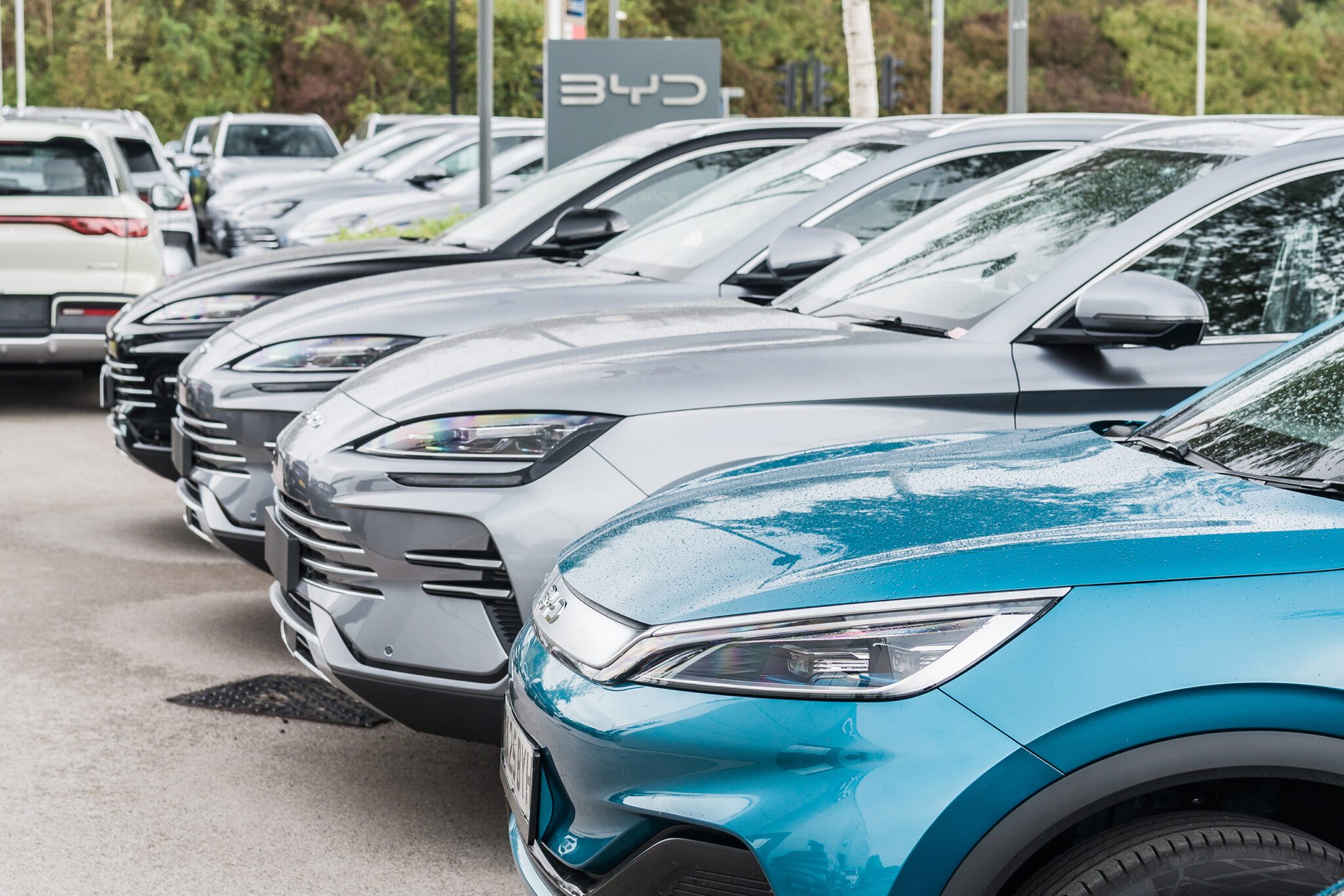
BYD, meanwhile, has confirmed it is putting its plans to sell passenger cars in the United States on hold. The decision marks a notable shift for a company that has expanded aggressively across Europe, Latin America, and Southeast Asia, and it underscores how difficult the US market remains for Chinese brands facing political headwinds and regulatory scrutiny. BYD’s retreat leaves its American ambitions unfulfilled for now, even as it continues to scale elsewhere.
On the software front, Honda and Nissan have each signed separate agreements with Applied Intuition covering the company’s Vehicle OS for their next-generation software-defined vehicles. The parallel deals reflect a wider trend in which Japanese manufacturers are turning to specialized software suppliers rather than building every layer of the SDV stack in-house. As vehicles become more dependent on over-the-air updates and centralized computing, partnerships of this kind are becoming a standard part of product planning.
Separately, Honda is reportedly transferring development responsibility for its Indian-market cars to Tata Technologies, a move intended to reduce costs by as much as 20%. If confirmed, the arrangement would illustrate how global OEMs are rethinking where engineering work happens, using local partners to hold down expenses in price-sensitive markets. Together, these four developments capture a week in which trade, market access, software, and cost discipline all converged.
What do you think?