
EU-China Hybrid Accord, Japan's Shrinking EV Subsidies and VW's ID. Tiguan Pivot Top This Week's E-Mobility Agenda
Several of the biggest threads in electric mobility converged this week, spanning trade policy, incentive budgets and a significant product reshuffle at Volkswagen.
The European Union and China have reportedly reached a tentative understanding aimed at limiting the flow of Chinese-built hybrids and plug-in hybrids into Europe. Details remain thin and the arrangement is not yet finalised, but the direction of travel matters: after clamping down on battery-electric imports, Brussels appears to be turning its attention to the hybrid segment, which has become an increasingly popular export route for Chinese manufacturers seeking to sidestep EV-specific tariffs. If the deal holds, it could reshape how Chinese brands position their line-ups in Europe and accelerate local production plans.
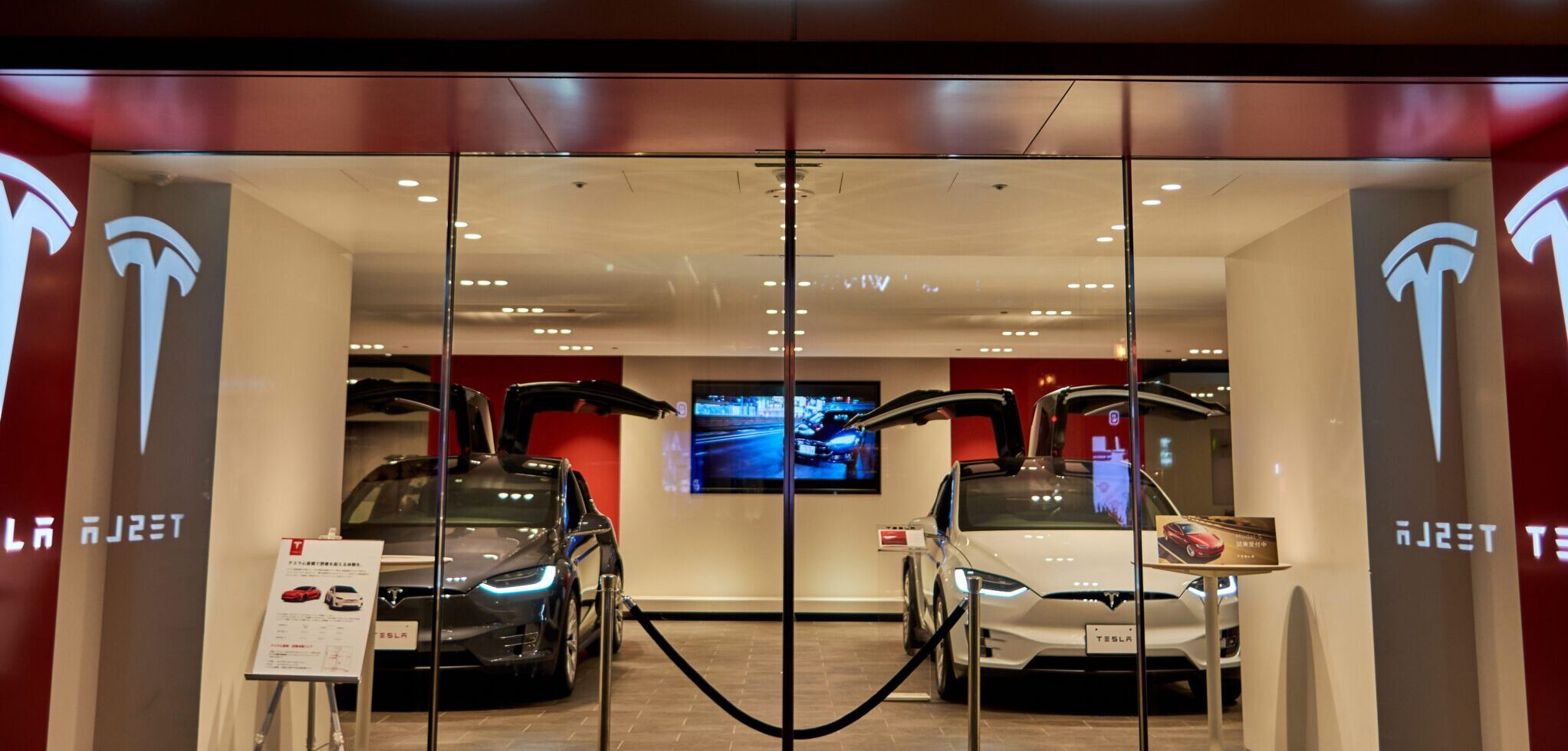
Japan, meanwhile, is facing a different kind of pressure. The country’s EV subsidy budget is said to be approaching exhaustion roughly halfway through its fiscal year, raising questions about how much purchase support will remain available to consumers in the coming months. Notably, the distribution of that support has skewed toward Tesla, which has drawn more subsidy-backed demand than domestic players Honda or Nissan. That imbalance is awkward for Tokyo, whose industrial policy has historically been built around nurturing its homegrown automakers through the transition.
In the UK, the government is reportedly preparing tariffs on Chinese-made electric vehicles, a move that would follow similar steps taken by the EU and the United States. The timing is pointed: Chinese brands accounted for 23% of UK new car sales in September, a share that makes them difficult to ignore politically and commercially. Any tariff regime would likely force Chinese marques to rethink pricing, trim margins or accelerate plans to build vehicles closer to their customers.
On the product side, Volkswagen has unveiled the ID. Tiguan, a model destined to replace the ID.4 and ID.5 in its electric range. Consolidating two nameplates under a familiar, combustion-era badge signals how Wolfsburg is trying to simplify its EV portfolio and lean on brand recognition that resonates with mainstream buyers. It is an admission that the ID naming experiment has not delivered the market traction VW hoped for, and a bet that the Tiguan name still carries weight with European families. Each of these stories is still developing, but together they sketch a sector where policy, incentives and product strategy are increasingly intertwined.
What do you think?