
Polestar's Record Quarter Rests On A Market It's About To Lose
Polestar has posted its strongest third quarter to date, but the headline number hides an uncomfortable truth: the growth is coming almost entirely from a market the company is about to be locked out of.
Global deliveries for the quarter landed at an estimated 14,371 vehicles, a modest single-digit improvement over the 14,222 moved a year earlier. Strip out the United States, though, and the picture flips — volume outside America dropped from 13,256 to 12,211. That math leaves roughly 2,160 U.S. deliveries, more than double the 966 recorded a year prior, an increase of about 124%. In raw terms, those 1,194 extra American sales were enough to absorb a 1,045-unit decline everywhere else. Through the first nine months of 2026, Polestar has moved a record 44,790 cars globally, up just 0.6%, while the non-U.S. total actually slipped 0.5%.
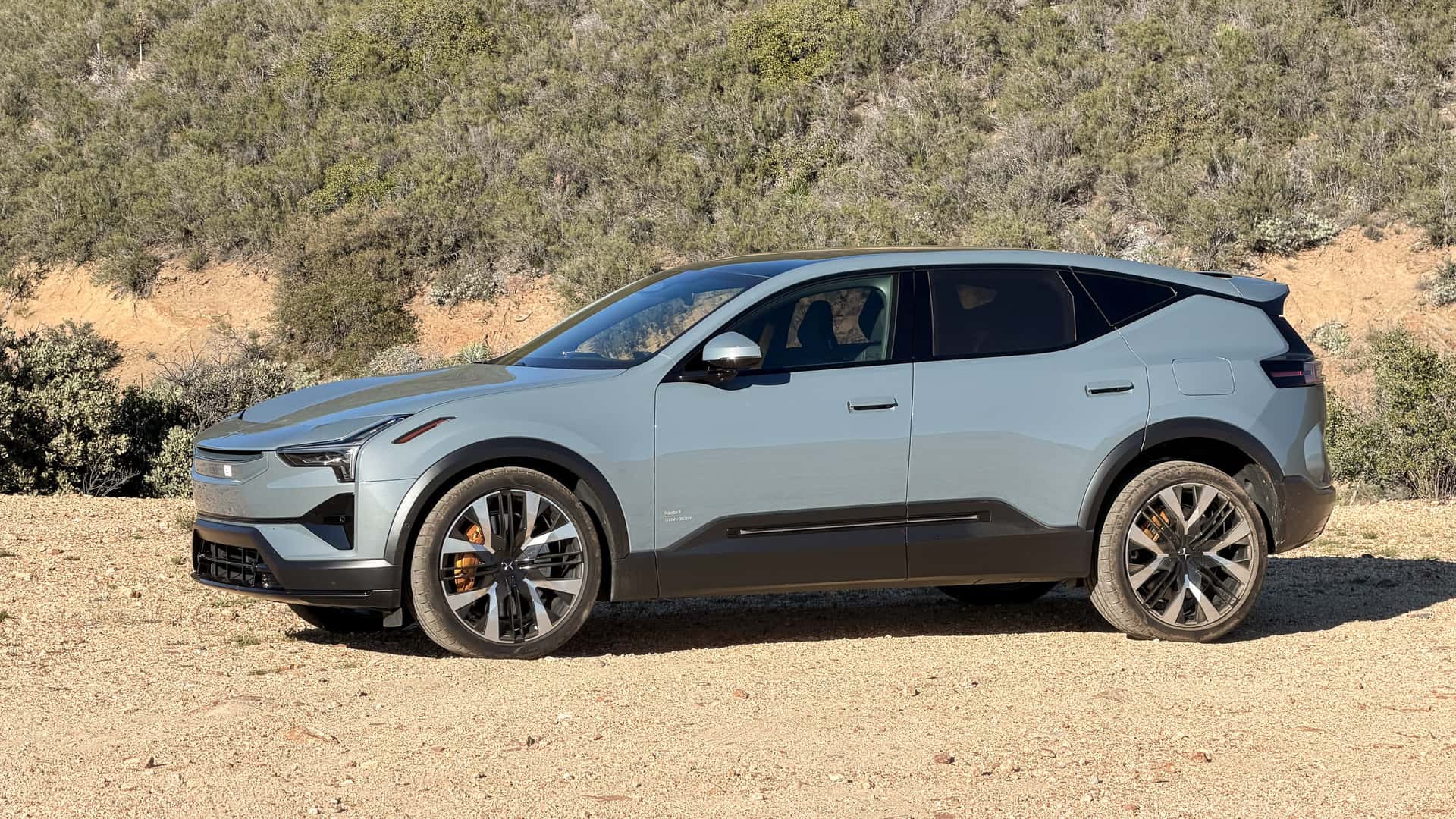
The reason behind the American surge is not organic demand. A Department of Commerce rule introduced in June bars the sale of vehicles containing certain Chinese-linked connectivity and driver-assistance hardware, and Polestar — unlike sibling brand Volvo, which received an exemption — was denied a way around it. Facing a hard stop, the company slashed prices aggressively to liquidate stock, with Polestar 4 discounts reportedly reaching $25,000 and Polestar 3s also carrying hefty incentives. That clearance push likely explains the bulk of the quarterly gain, making it more of a temporary spike than evidence of durable momentum. Polestar has not published a model-by-model U.S. breakdown, so the exact mix remains unclear. The financial backdrop is still difficult: the automaker posted around $1 billion in operating losses in 2025 even while setting a sales record of 60,119 vehicles. It intends to keep selling remaining inventory and says customer service will continue after new-car sales end. The company has also said it was blindsided by the decision and still questions why Volvo was treated differently, given that the Polestar 3 and Volvo EX90 share the same South Carolina assembly line.
Looking ahead, Polestar is leaning on a broader lineup to replace what it loses in America. Customer deliveries of the Polestar 5 grand tourer have begun, and a new Polestar 4 SUV variant adds a more wagon-like body, extra cargo room and a rear window, with shipments due in the fourth quarter. A next-generation Polestar 2 is slated for 2027, a compact Polestar 7 for 2028, and the Polestar 6 roadster remains on the roadmap. Those additions could widen the brand’s appeal — but they will have to do the work without U.S. volume, and profitability remains an entirely separate hurdle.
What do you think?