
Polestar Posts Record Q3 and Year-to-Date Sales Even as Its US Exit Looms
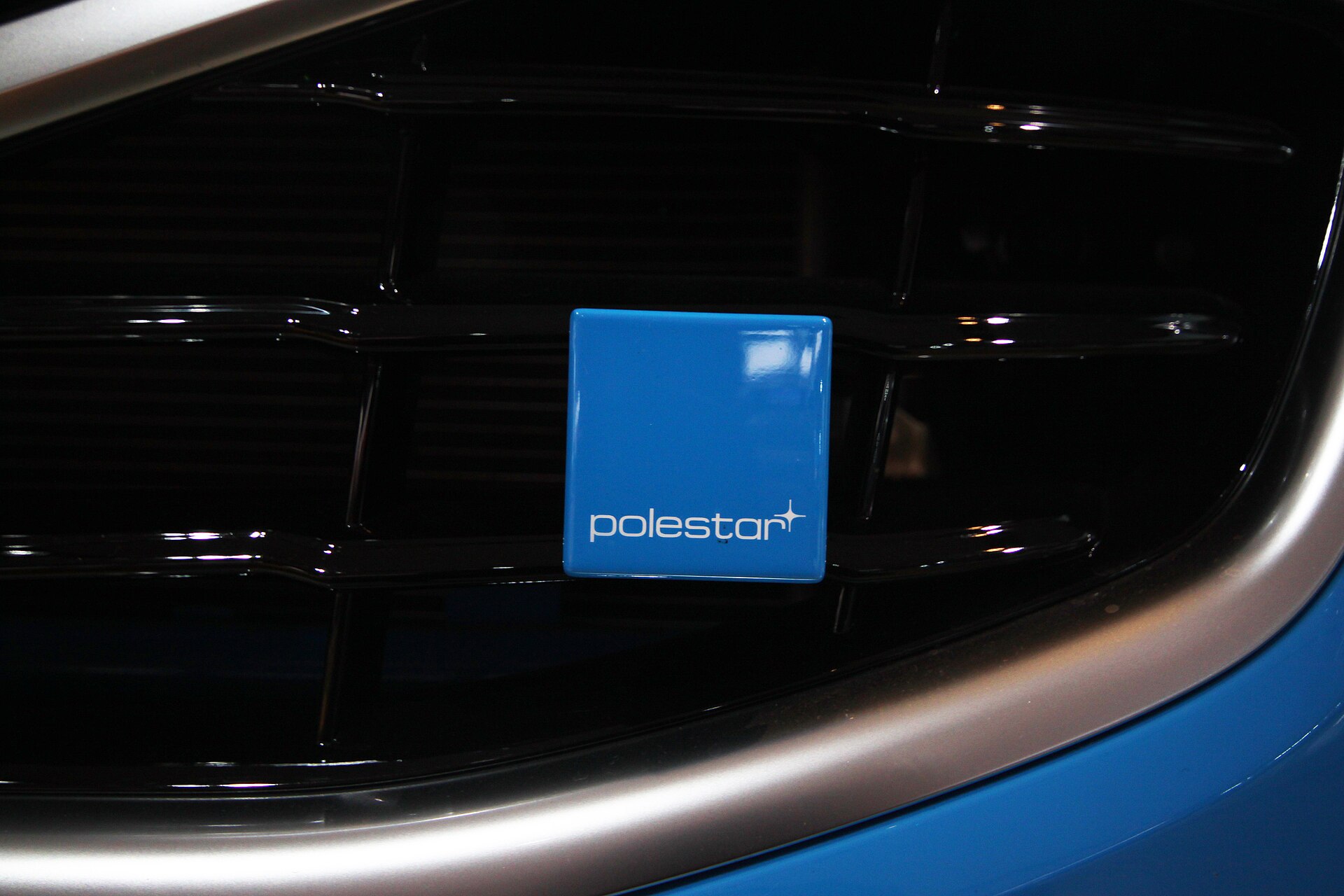
Polestar has closed out a quarter defined by contradiction: its strongest global retail performance to date, delivered against the backdrop of a market it is about to lose entirely. The Swedish electric brand moved 14,371 vehicles worldwide in the third quarter and 44,790 over the first nine months of 2026, both company records, according to figures released on October 8. The quarterly result edged up 1% from a year earlier, while the year-to-date tally rose 0.6%.
The growth is being carried by a refreshed product line. The Polestar 4 SUV has pushed the brand into Europe’s D-SUV segment, which CEO Michael Lohscheller described as the largest and most competitive slice of the continent’s premium EV market. Meanwhile, deliveries of the Polestar 5 have begun, a milestone Lohscheller framed as strategically significant for the company. Together, the two models are pulling Polestar toward customer groups it had not previously reached.
That momentum is running directly into a regulatory wall in the United States. From model year 2027 onward, Polestar will be barred from selling new vehicles there after the Commerce Department pulled its sales authorization, part of a wider push to keep connected-vehicle technology tied to China or Russia out of the American market. Polestar is linked to Geely through its sibling relationship with Volvo Group, a connection central to the decision. Even so, the brand still recorded 2,160 US retail sales in the third quarter, and Lohscheller has indicated its American inventory was nearly exhausted by the end of that period.
The company’s response has been to lean on the used market. Polestar says it will keep operating in the US through pre-owned sales, including vehicles moving through its certified pre-owned program, allowing it to retain some presence even without new-car volume. For a brand of Polestar’s size, maintaining service networks and residual values in a market where it can no longer sell new product is a delicate balancing act.
Lohscheller summed up the quarter as the company’s best third period “despite increasingly challenging market conditions,” a phrase that captures the dual reality facing the automaker. Polestar has demonstrated that its expanding lineup can generate demand — the question now is how much of that demand it can reach once its second-largest market closes to new vehicles. The coming quarters should reveal whether European and other global sales can absorb the shortfall, or whether the US ban will ultimately outweigh the gains the Polestar 4 and Polestar 5 have delivered.
What do you think?