
Plug-in Hybrids vs. Full EVs: Why Going All-Electric May Be the Better Choice
For drivers weighing whether to go electric, the question often comes down to a plug-in hybrid or a full battery electric vehicle. A plug-in hybrid carries both a gasoline engine and an electric motor, which can feel like a compromise rather than a commitment to electrification. A pure battery electric vehicle, by contrast, offers a simpler ownership experience built around one power source.
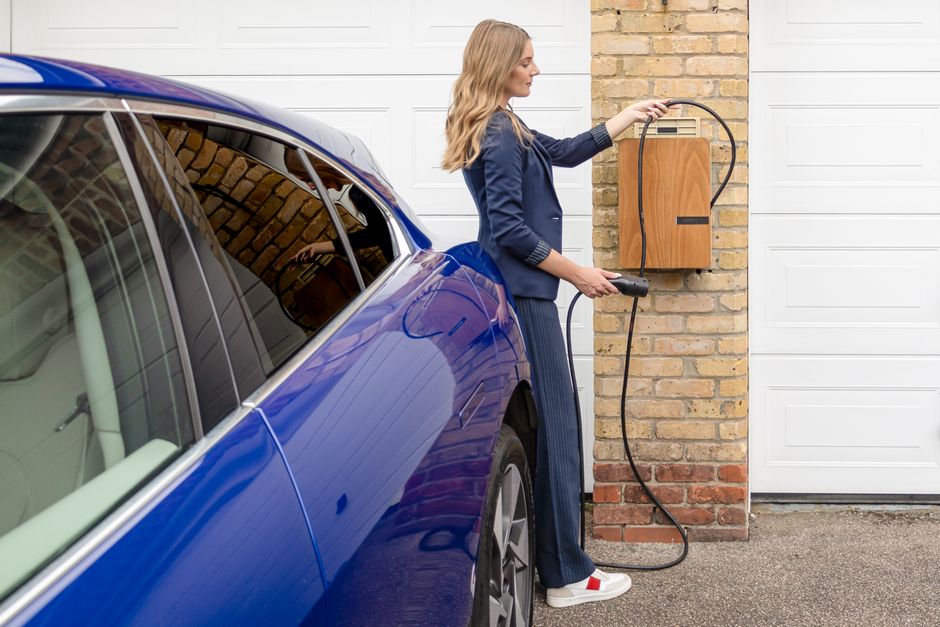
Full EVs tend to be more reliable because they have fewer moving parts and no internal combustion engine to maintain. For local driving, they are also more convenient — you plug in at home and wake up to a charged car rather than juggling fuel stops and charging sessions. Drivers frequently describe them as smoother and quicker off the line, thanks to instant torque delivery.
Cross-country travel is another consideration. Modern battery electric vehicles can handle long highway trips across the United States, as long as owners plan charging stops along the way. That growing charging network is steadily chipping away at the range anxiety that once pushed buyers toward plug-in hybrids.
None of this means plug-in hybrids are without merit, but for many households the all-electric route is the more straightforward path. The core advice is simple: if you are considering an electric car, a full battery electric model may serve you better than a halfway solution.
What do you think?