
October 2026 Automotive Briefing: BYD's Export Ambitions, VW's Writedown and Europe's Battery Bet
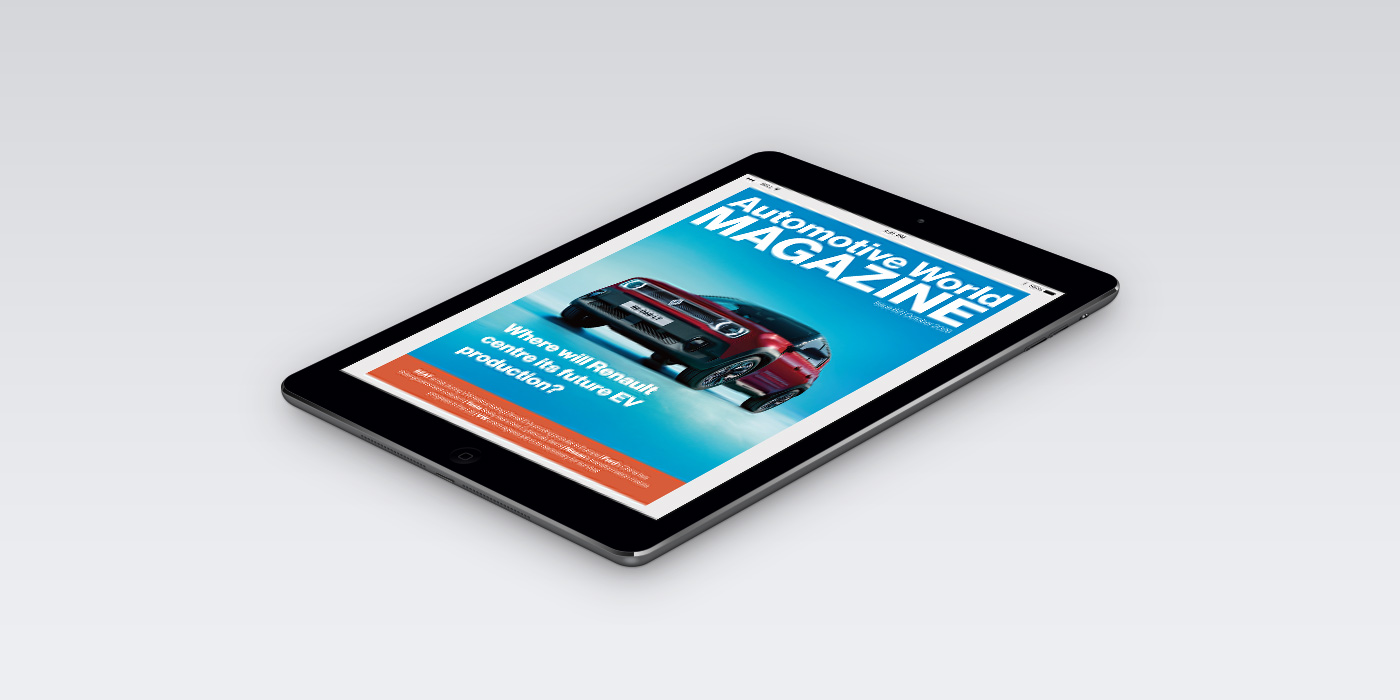
The October 2026 edition of Automotive World’s monthly magazine rounds up a dense month of industry developments, and a few themes stand out. At the top of the list is BYD, which has set its sights on a 2.5 million unit export target for 2027 — an ambitious figure that would reshape the global export rankings if achieved. The Chinese giant is not standing still on the production side either: it has added 8,000 workers at its largest domestic plant to keep pace with overseas demand. Meanwhile, Beijing is encouraging its automakers to keep price wars confined to the home market and out of export channels, a signal that Chinese regulators want to avoid the kind of margin destruction that has battered domestic profitability.
On the European side, the competitive pressure is being felt most acutely by premium brands. Chinese OEMs have already captured a 12% share of the EU hybrid market, and that number is expected to climb as tariff decisions loom. Europe’s premium manufacturers are simultaneously dealing with a shrinking Chinese market, a combination that leaves them exposed on two fronts. Renault and Geely are doubling down on their Brazil joint venture with a further US$368m commitment, suggesting that emerging markets remain a priority for European players seeking growth outside China.
The electric mobility section brings several notable data points. California has signed six bills aimed at accelerating EV adoption and charging infrastructure, a move that contrasts with the US federal government’s decision to lower fuel economy standards while pump prices rise. Range Rover has launched its first battery-electric vehicle with a £50,000 premium over comparable combustion models, testing whether luxury buyers will absorb that gap. In Europe, ID. Polo sales have affirmed that demand for small BEVs remains strong — a meaningful finding for automakers weighing whether to keep investing in compact electric platforms. Tesla, meanwhile, has finally begun Semi deliveries, nine years after the truck was first unveiled.
The magazine also covers a US$3.67bn European battery investment planned by Gotion and Volkswagen, a joint venture that would deepen VW's vertical integration in battery supply. On the corporate restructuring front, JLR has confirmed 4,000 job cuts over two years, and Stellantis's Brampton facility appears to be the first casualty of the US-Canada trade dispute. Volkswagen has agreed to sell its Osnabrück plant for Iron Dome production, saving 1,400 jobs in the process, while its unions have accepted further job reductions to secure the company's position through the next decade. VW also flagged US$11.5bn in charges related to a Porsche writedown, and Volvo Cars has picked a former VW margin operator to succeed Jim Rowan as CEO.
Autonomous mobility and software-defined vehicles get less space but still register. The Cybercab’s launch drew a muted reception and triggered a federal audit — a reminder that regulatory scrutiny of autonomous deployment is intensifying. Honda and Nissan’s SDV tie-up has effectively split Japan’s software strategy into two camps, while Toyota is reportedly looking to diversify its EBIT away from new car sales, a sign that the industry’s profit models are shifting. With the US lowering fuel economy standards and China tightening export discipline, the next few quarters will reveal which of these strategic bets pay off.
What do you think?