
NOVONIX Secures ISO 9001 Certification at Tennessee Synthetic Graphite Plant
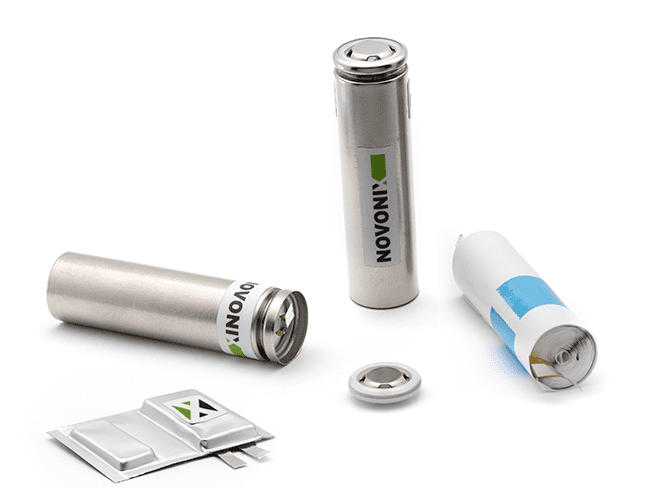
NOVONIX has cleared a significant quality milestone at its Chattanooga, Tennessee site, where the company is ramping up commercial output of synthetic graphite active anode material (AAM). The battery materials producer announced it has been awarded ISO 9001:2015 certification, a designation that signals its manufacturing operation now runs on a formalized quality management framework built to handle volume production.
In the battery supply chain, ISO 9001 functions as a widely recognized yardstick for how consistently a factory can churn out material. For NOVONIX, the certificate is meant to reassure both current and prospective customers that the Riverside facility has the process controls in place to deliver repeatable results at scale. The company is careful to note, however, that the certification is a complement to — not a substitute for — the individual product qualification programs that each customer runs on its own.
CEO Mike O’Kronley framed the achievement around customer expectations, saying buyers want more than just strong material performance; they also want proof that the company can manufacture reliably and consistently once volumes grow. He described the certificate as third-party validation of the quality systems NOVONIX has constructed, and said it strengthens the company’s position as a domestic supplier of high-performance synthetic graphite. Meghan Vandelinder, the company’s Senior Manager of Quality Control, added that the milestone reflects a company-wide push to bake quality into daily operations, pointing to the process controls, performance measurement and continuous improvement practices that customers rely on.
Synthetic graphite AAM sits at the heart of lithium-ion battery construction, which makes domestic capacity for the material a strategic concern. NOVONIX is scaling up its US production with an eye toward building a more secure North American source of this critical input, serving applications that range from energy storage and grid resilience to electric vehicles and industrial uses.
The certification arrives as automakers and battery makers continue to push for supply chains that are less dependent on overseas sources of anode material. Establishing qualified domestic production is one part of that effort, and third-party quality recognition is often a prerequisite before large-volume supply agreements can move forward.
What do you think?