
Nio Keeps Its Own Battery Bet Alive: First Cylindrical Cells Due by Year-End
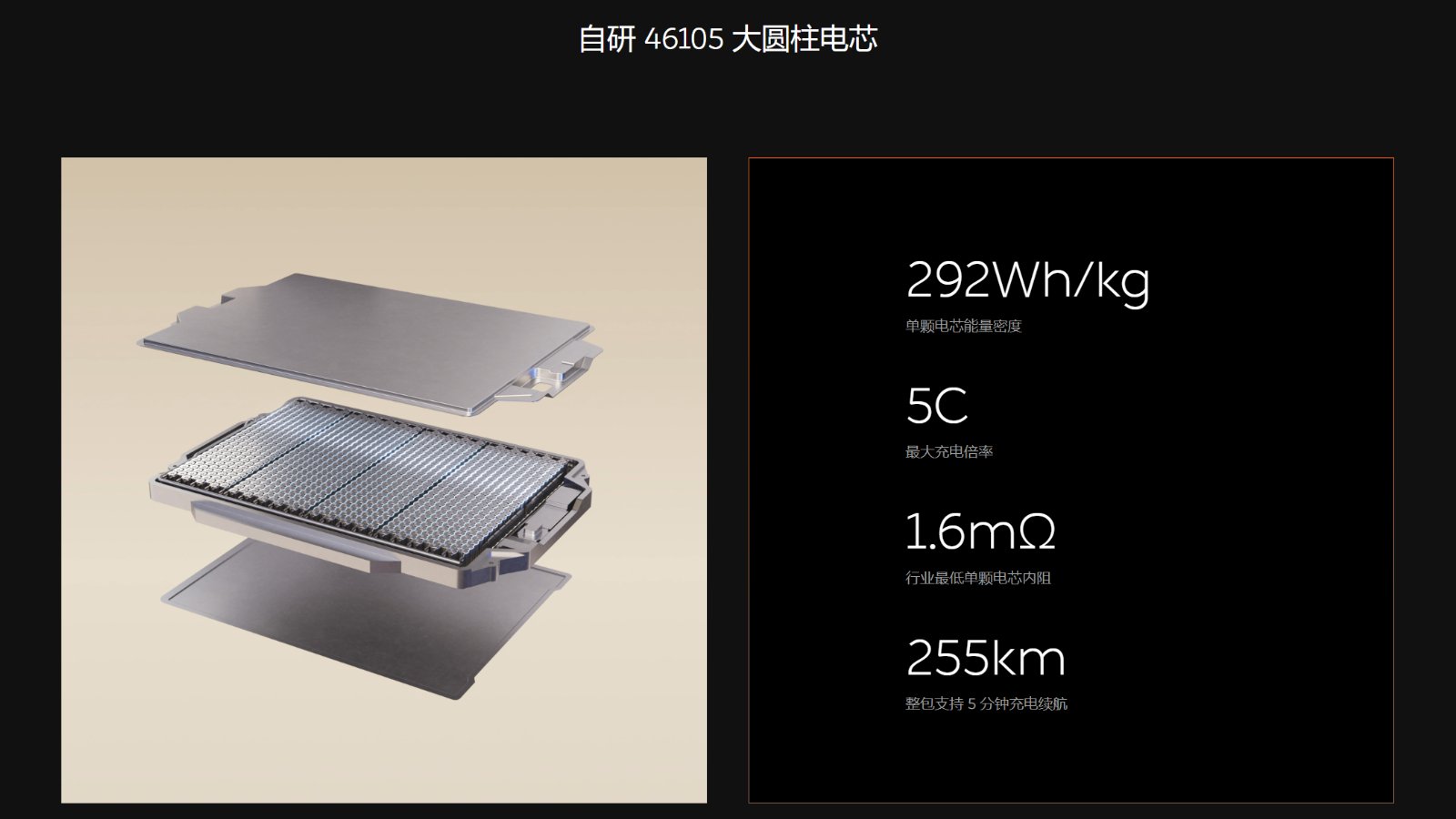
Nio isn’t abandoning the battery cell it has been chasing since 2023. A very small run of the company’s large cylindrical cells is expected to leave the production line before the year is out, according to battery industry outlet Jipian Lab — a modest milestone for a project that has slipped more than once.
The catch: Eve Energy and Gotion High-tech will handle the manufacturing, and getting to genuine mass production will not happen anytime soon. Still, Nio is holding onto in-house cell development while quietly buying more prismatic packs from CATL for its younger brands.
What Nio Actually Owns in This Arrangement
The setup follows a pattern Nio has settled into over the past few years — keep the core cell research and the pack know-how at home, hand the factory work to partners who already have the lines running. Founder and CEO William Li said in September that Nio has sunk more than 2 billion yuan (roughly $298 million) into battery R&D.
By the numbers: 2 billion+ yuan invested in battery R&D · 292 Wh/kg cell energy density announced for the 46105 design · 5C fast-charging support · 120 kWh pack still in development
That research is aimed squarely at long-life large cylindrical cells, a format Nio first showed off at Nio Day in December 2023. The 46105 cell was supposed to power a 120-kWh pack in the flagship ET9. Then the ET9 arrived in December 2024 with a 100-kWh pack built from CATL prismatic cells instead — a quiet admission that the in-house road was running late.
Jipian Lab notes that the specifications have moved on since then and are no longer locked to the 46105 format, so the numbers from 2023 shouldn’t be read as the current design.
The CATL Side Is Growing, Not Shrinking
While Nio keeps its own program on life support, the relationship with CATL is getting wider. The two signed a five-year agreement in January to deepen cooperation on long-life batteries and swapping technology. The most concrete product of that deal so far sits in the Firefly brand.
Firefly added a 60-kWh pack on October 23, and CATL confirmed a day later that it runs on Qilin Battery technology with 560 km of CLTC range. The existing 42-kWh unit comes from Sunwoda, so Nio now sources packs from at least three suppliers across its lineup.
- Onvo and Firefly: both now on CATL prismatic batteries
- Firefly 42 kWh: supplied by Sunwoda
- Firefly 60 kWh: CATL Qilin, 560 km CLTC
- Nio main brand: 120-kWh in-house cylindrical pack still in the pipeline, no launch date given
At an August 7 user event, Li confirmed the 120-kWh pack is still being worked on and will fit every model under the main Nio badge. He gave no timeline. That silence is telling.
The broader picture is a carmaker hedging. Nio wants the cost and performance control that comes with owning cell chemistry, but it can’t afford to let that ambition hold up deliveries. Outsourcing the manufacturing while keeping the patents is the compromise — and for now, the volume tells you which side is doing the heavy lifting.
Source: CnEVPost - Battery
Curious how this compares to other EVs? Try our comparison tool →What do you think?