
Xpeng Taps Electronity for 100-Plus Charging Points Across Mexico
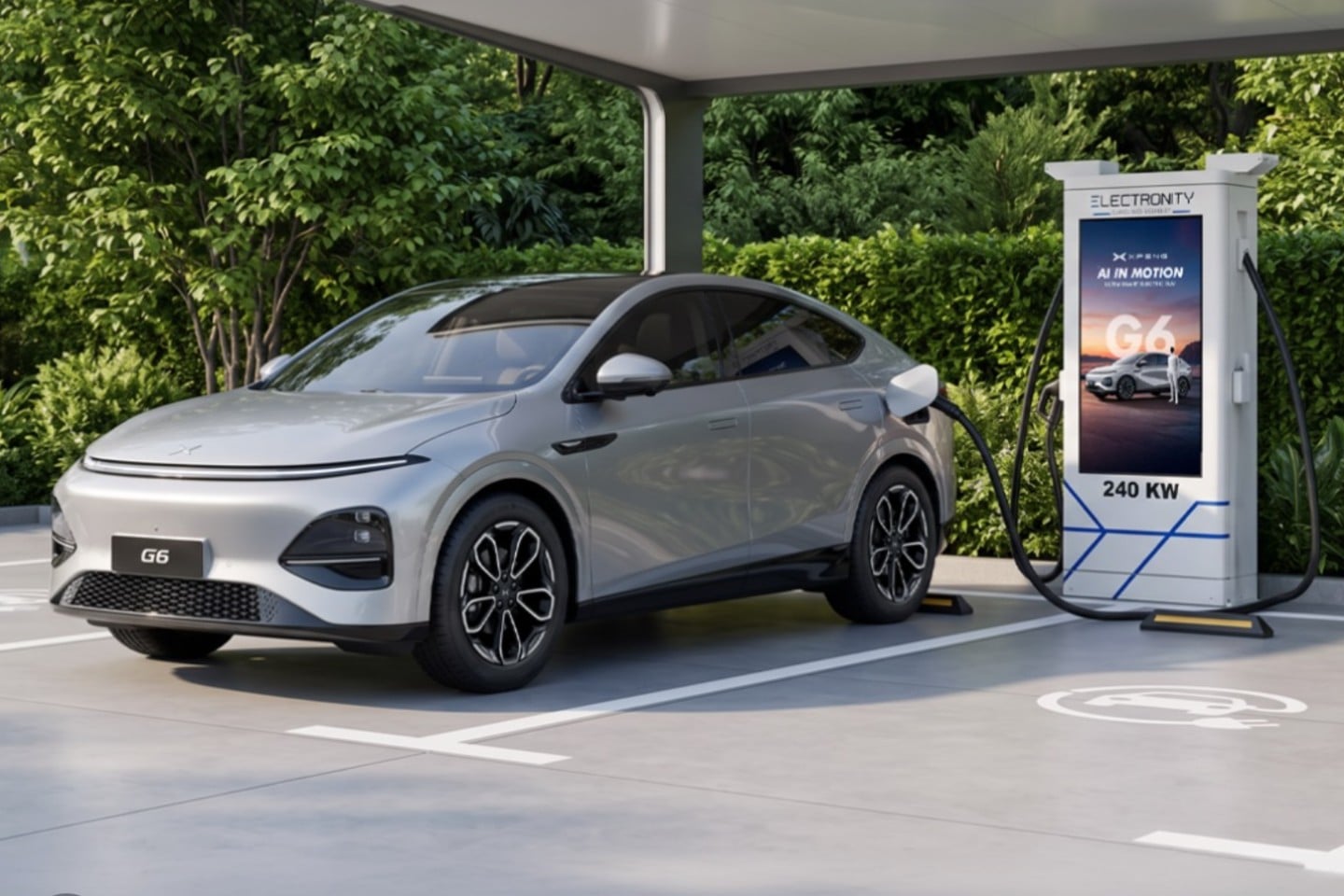
Xpeng is leaning on a local partner to solve one of the thorniest problems for any new EV brand: where owners actually plug in. The Chinese automaker has struck a deal with Electronity — a charging network run by Drivewatt México — to put more than 100 charging points into service across the country.
The rollout is staged. Roughly 30 fast-charging points are due before the end of 2026, with the remaining 70-plus following by late 2027. Xpeng hasn’t yet said which cities get the first stations or how much power they will deliver.
A Branded Network With Perks Attached
Under the agreement, the two companies will market the infrastructure under a combined ‘Xpeng | Electronity’ label. Drivers of Xpeng vehicles get a 10 percent discount on charging at participating Electronity sites for a full year — a small but tangible sweetener for early adopters.
There’s a software piece as well. An interactive charging map is being folded into Xpeng’s digital platforms so owners can locate open points and plot routes that include charging stops. Think of it as route planning with a plug built in.
- First wave: ~30 fast-charging points live by end-2026
- Second wave: 70+ additional points by end-2027
- Owner perk: 10% off Electronity charging for one year
- Digital add-on: Integrated station map in Xpeng apps
Charging Gear Sold Beyond the Xpeng Garage
One detail stands out from the usual OEM-network tie-up: authorised Xpeng dealers will also sell charging accessories to owners of other electric brands. The offering won’t be locked to Xpeng customers, which turns the dealer network into a small retail channel for the wider EV market.
Mexico is still fresh territory for Xpeng. The brand officially entered the market in spring 2026, starting sales of its G6 and G9 models in Mexico City, Guadalajara and Monterrey. Charging has been the missing piece since day one.
By handing infrastructure duties to an established local operator rather than building from scratch, Xpeng follows a pattern familiar among Chinese brands expanding into Latin America — move fast on vehicles, partner up on plugs. Whether 30 fast chargers by the end of 2026 is enough to calm buyers in a market still light on public charging is another question. The company is betting that a branded, discounted network with a map baked into its app will do more for confidence than the raw station count suggests.
Source: electrive.com
Curious how this compares to other EVs? Try our comparison tool →What do you think?