
Moldova Sets Its Sights on 600 Public Chargers and a 15% Electric Fleet by 2030
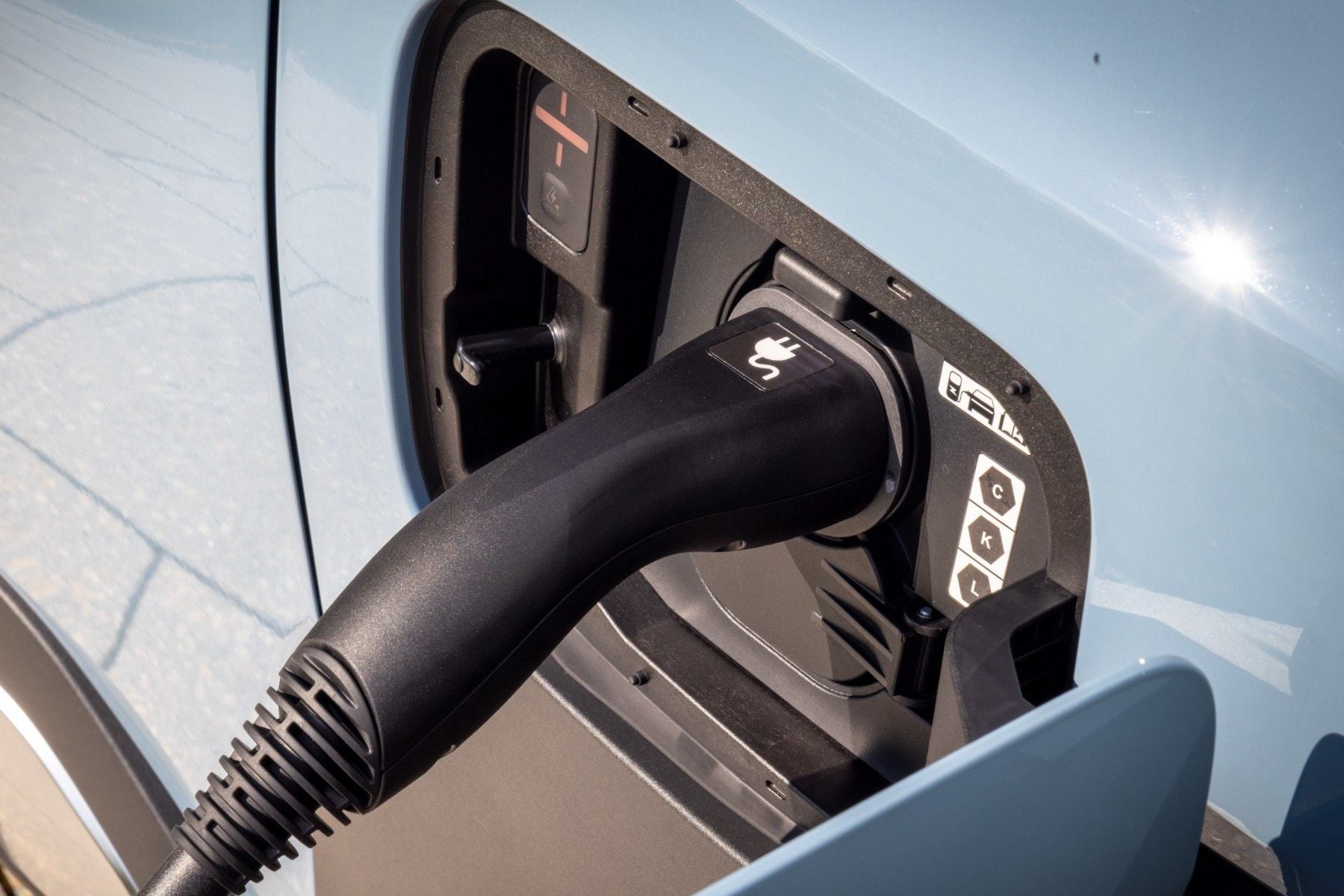
The Republic of Moldova has laid out a national plan to push electromobility forward, and the numbers are modest but concrete: at least 600 public charging points and roughly one in seven vehicles running on electricity by the end of the decade.
The roadmap, published by the government in Chișinău, treats charging infrastructure as the foundation of everything else. As of 2025 the country counts around 250 public charge points — a figure the plan wants more than doubled by 2030.
Charging Beyond the Capital
A detail worth flagging: no less than 30 per cent of the new stations must be installed outside Chișinău. That geographic spread matters in a country of some 33,846 square kilometres and close to three million people, where the capital has so far soaked up most investment.
The fleet target is equally clear. Battery-electric and plug-in hybrid vehicles should together make up a minimum of 15 per cent of the national vehicle stock once 2030 arrives, with road-traffic CO₂ output falling by the same proportion against a 2025 baseline.
Key Targets: 250 → 600+ public charging points · 30% of new stations outside Chișinău · 15% BEV/PHEV fleet share · 15% cut in road CO₂ vs 2025
Getting there will not be a purely public-sector exercise. The government says it wants to draw in private investors, build an environment in which EV-related services can take root, and train the technicians who will keep chargers and cars running.
A TEN-T Connection
Moldova’s position as part of the European TEN-T transport network runs through the thinking behind the document. Vladimir Bolea, Deputy Prime Minister and Minister of Infrastructure and Regional Development, framed the roadmap as the basis for legislation and an implementation programme to follow.
- Infrastructure first: public charging grows more than twofold within five years
- Rural balance: nearly a third of new sites placed outside the capital
- Market building: investor incentives and EV service development
- Skills: dedicated training for specialists in the electric mobility field
What the plan does not yet spell out is the price tag, or how the subsidies mentioned alongside it will be structured. Those details presumably arrive with the legal framework Bolea referred to.
Still, for a small landlocked market, the direction is unambiguous. Moldova is not chasing volume — it is trying to make electric driving viable outside Chișinău before demand forces the issue.
Source: electrive.com
Curious how this compares to other EVs? Try our comparison tool →What do you think?