
Mercedes Goes Back to the Drawing Board in China After a 31% Sales Collapse
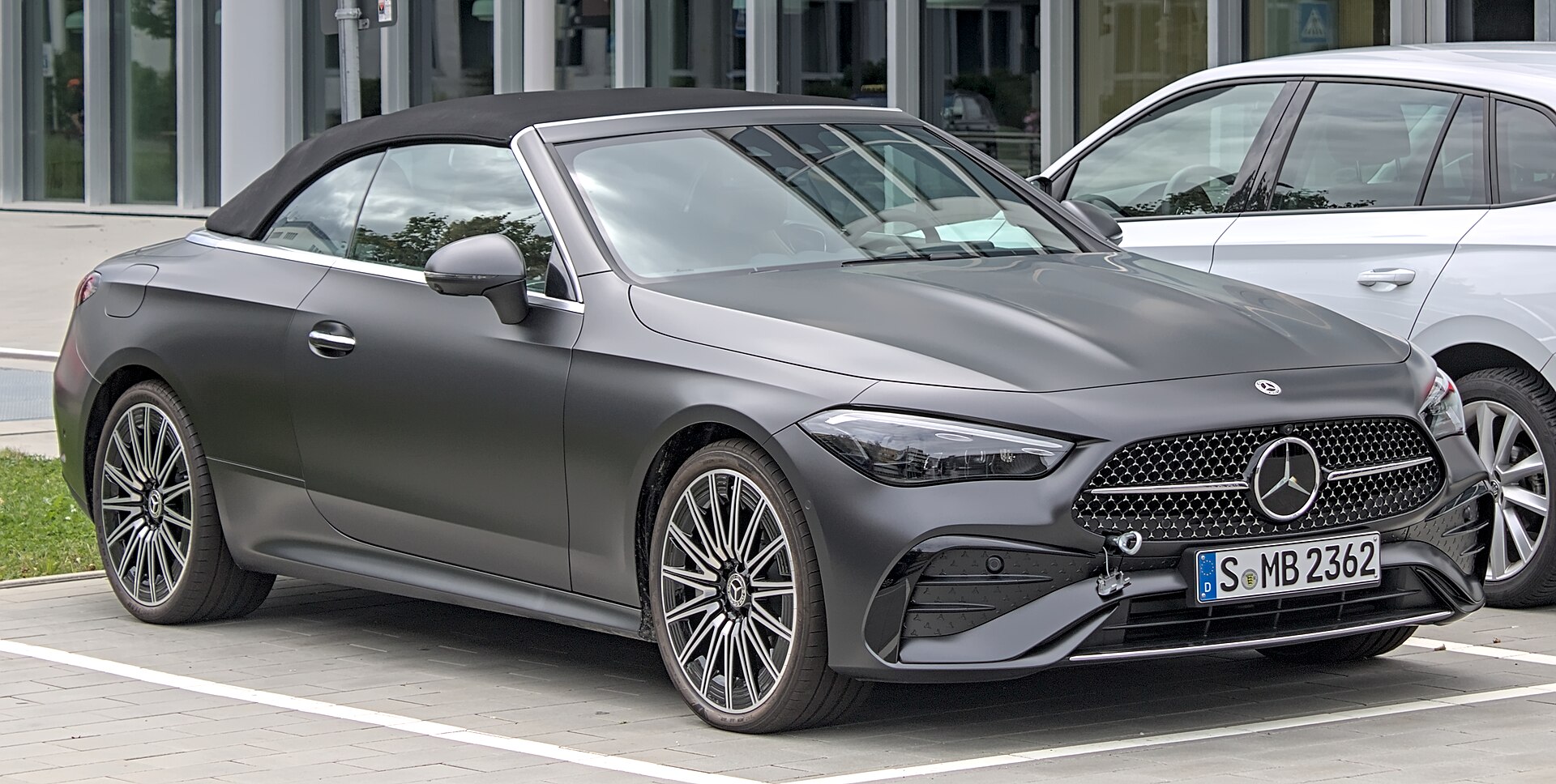
Mercedes-Benz is pulling apart its entire China operation, from product planning and retail through to production, software and sourcing, after third-quarter deliveries in the country fell another 31%. A revised strategy is promised for 2027.
CEO Ola Källenius told analysts on an earnings call that the company has no intention of walking away from the world’s biggest car market. “There is not a play where you put China aside,” he said. Yet the review arrives after a long line of China-specific fixes that plainly have not worked.
The Numbers Behind the Review
The damage runs deeper than the headline delivery figure. Adjusted earnings in Mercedes’ core cars division dropped by more than half to €560m (roughly US$622m) in the third quarter, landing a day after the company trimmed its full-year guidance.
Källenius described Chinese conditions as “deteriorating beyond what we had thought would happen this year,” with the pressure sharpest at the top end — exactly where Mercedes makes its fattest margins. The slide picked up speed in the second half and looks set to carry on through the remainder of 2026.
Q3 Snapshot: China deliveries down 31% · Cars division adjusted earnings €560m · Full-year outlook already cut
A Decade of Localisation, and Still Losing Ground
Mercedes has shipped more and more decision-making power eastward. Driver assistance work sits with Momenta, cockpit software with Tencent and ByteDance, and parts sourcing has been deepened with Geely — one of the automaker’s largest shareholders, and a relationship that has drawn scrutiny from US lawmakers lately.
The sales trend tells its own story:
- 2020 peak: 774,000 vehicles sold in China
- Last year: about 575,000, a 19% decline
- First nine months of 2026: down a further 29%
Buyers in the CN¥300,000-500,000 band (US$44,700-74,500) have been migrating to domestic brands in droves. The first-generation EQS and EQE electric saloons divided opinion on styling, and the China-only CLA L — a long-wheelbase EV rated at 866 km — managed just 627 units in the first half before output was paused.
Stretched rear legroom and strong spec sheets, it turns out, no longer close the deal. Software, ecosystem integration and price now drive the decision. Mercedes has already trimmed its medium-term China goal to 500,000-600,000 units a year.
The Electric E-Class as a Test Case
Hopes are pinned on the upcoming electric E-Class, which Källenius said was developed from what amounts to “a white sheet of paper,” with sourcing almost entirely local to shave variable costs and pricing tuned to the market. It forms part of a global push to cut material costs by about 8% against 2024 levels, though the biggest savings are expected in China.
What Källenius will not do is chase share at any price, an approach that has defined the market and its homegrown brands. Mercedes wants to compete in a price war without fully signing up to one.
Rivals are moving faster. Volkswagen is reportedly studying whether to take its Xpeng-derived architecture from China into Europe, while BMW has staffed the Neue Klasse programme with dedicated Chinese software teams. Mercedes, by contrast, still runs its own MB.OS with local partners bolted on top.
Its safe harbour remains the very top of the market, where the Maybach S-Class and G-Class still trade above CN¥1m. CFO Harald Wilhelm would not be drawn on where China stands by 2027. The CLA L showed that localisation alone buys nothing below the ultra-luxury tier — and the electric E-Class will be the first honest test of whether that lesson has sunk in.
Source: Automotive World
What do you think?