
Kongsberg Automotive Cleared in Russia Sanctions Probe, Highlighting Supplier Risk
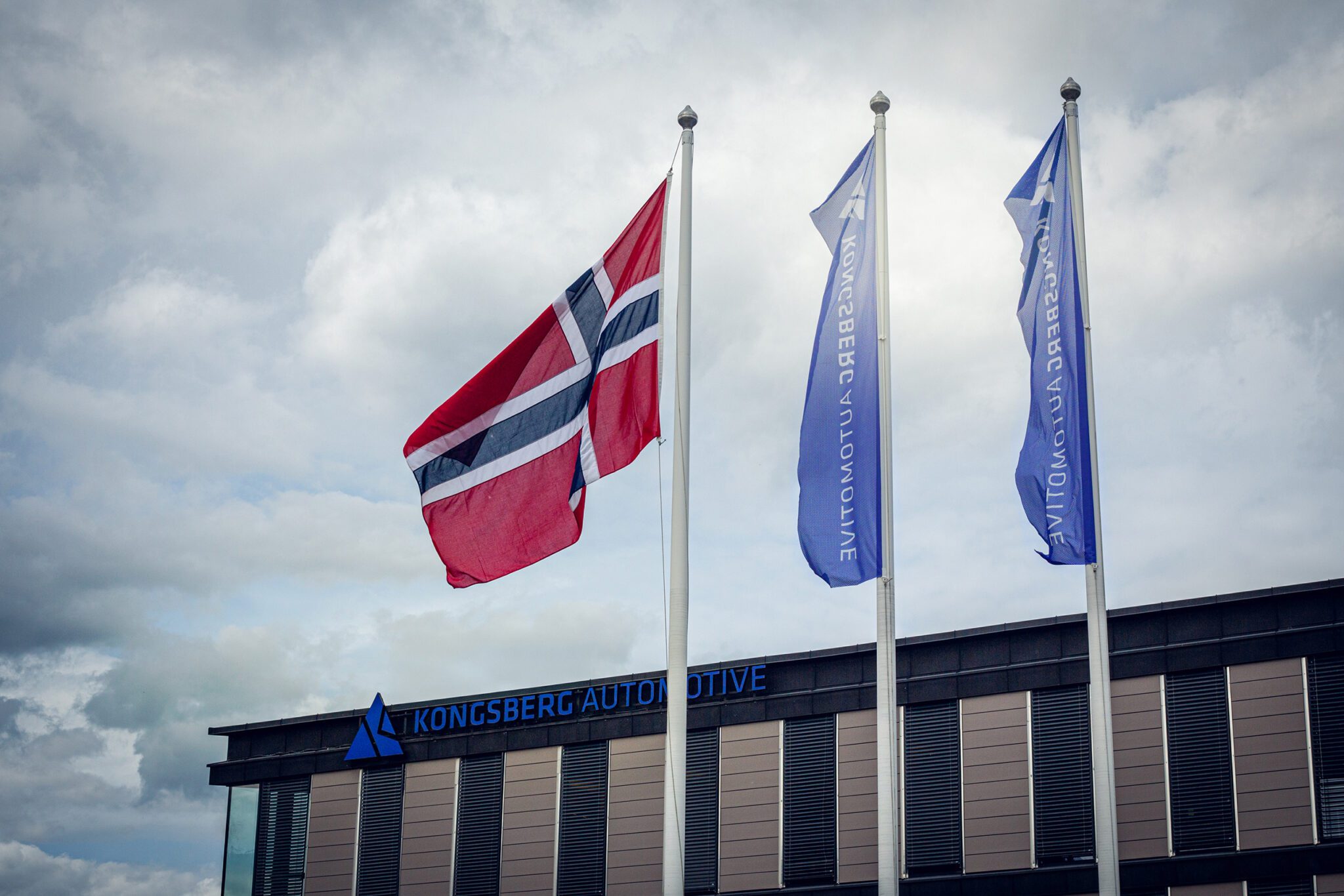
Norwegian supplier Kongsberg Automotive has been cleared in an inquiry into potential violations of Russia-related sanctions, according to a report from Automotive World. The case, which has now been resolved without findings against the company, nevertheless illustrates how far-reaching sanctions scrutiny can be for automotive suppliers. The investigation did not focus on Kongsberg’s own direct sales to Russian customers, but rather on transactions that occurred further down the supply chain, beyond the company’s immediate commercial relationships. This distinction matters: it shows that a Tier 1 or Tier 2 supplier can find itself under the microscope even when its own dealings appear compliant on paper.
For the wider automotive industry, the outcome serves as a reminder that sanctions exposure is not limited to top-line sales agreements. Vehicles and components pass through complex webs of distributors, intermediaries and aftermarket channels, and authorities are increasingly willing to trace how parts and products reach restricted markets. Suppliers that exited Russia after 2022 may still face questions about whether their components ultimately ended up in Russian vehicles or industrial applications through indirect routes.
Kongsberg Automotive, which produces systems and components for driveline, interior and fluid handling applications, is not the first supplier to attract attention in this area, and it is unlikely to be the last. The probe’s closure without penalty is good news for the company, but the underlying issue remains structural. Original equipment manufacturers and their suppliers have spent the past several years tightening compliance controls, auditing distribution partners and adding contractual clauses designed to prevent re-export to sanctioned destinations.
The case also underscores how compliance obligations now extend well past a company’s own customer list. Investigators examining sanctions regimes tend to follow the product, not just the invoice. For suppliers, that means greater emphasis on end-use monitoring, distributor due diligence and documentation that can demonstrate where parts are ultimately shipped and installed.
Kongsberg Automotive has not been accused of wrongdoing, and the inquiry has concluded in its favor. Still, the episode offers a practical lesson for an industry that operates across borders and layers of intermediaries: sanctions risk management is now a supply-chain-wide discipline, not merely a sales-desk concern.
What do you think?