
Japan Trims EV Purchase Subsidies as Demand Drains the Budget
Japan’s generous electric car handouts are getting a haircut. The Ministry of Economy, Trade and Industry (METI) confirmed on 21 October that Clean Energy Vehicle subsidies will shrink sharply for vehicles registered from 1 January 2027, assuming the current programme is carried past that date at all. The reason is simple arithmetic: demand outran the money.
The headline figure tells the story. The ceiling for a battery-electric passenger car drops from 1.25 million yen (roughly €7,000) to 750,000 yen (about €4,200).
In practice, most mainstream powertrains are being cut to 60 per cent of their former maximum, while the tiny Kei-EV class holds on to 80 per cent.
New Subsidy Ceilings: BEV ¥750,000 (was ¥1.25m) · Kei-EV ¥440,000 (was ¥550,000) · PHEV ¥480,000 (was ¥800,000) · Fuel cell ¥870,000 (was ¥1.45m)
What It Looks Like on Real Models
The Next Generation Vehicle Promotion Center has already published a model-by-model breakdown comparing old and new rates. The gap is brutal for popular imports and domestics alike.
- Toyota bZ4X: ¥1.30m down to ¥780,000 — a ¥520,000 hit
- Nissan Leaf: ¥1.29m down to ¥774,000
- Tesla Model Y: ¥1.27m down to ¥762,000
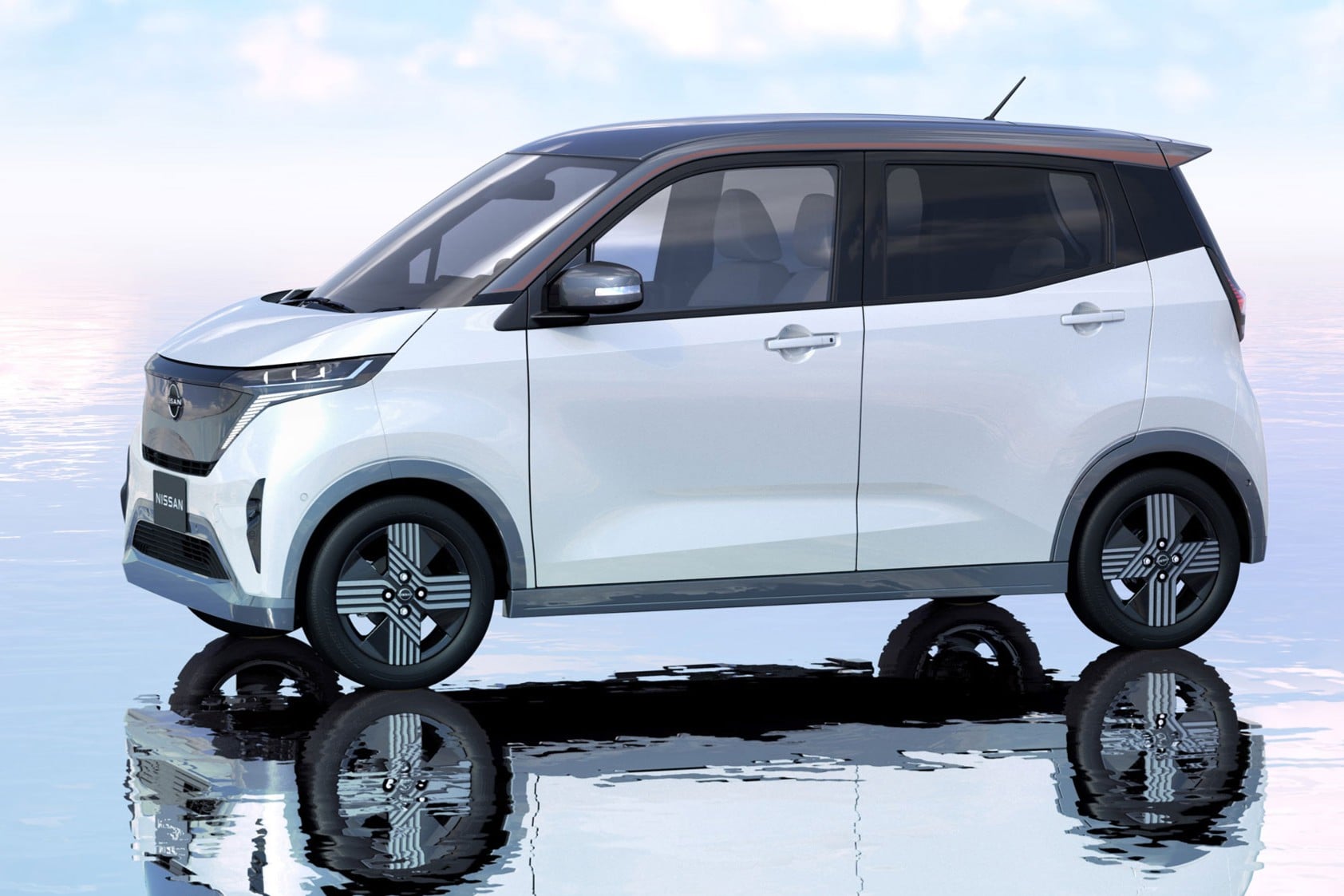
- Nissan Sakura (Kei-EV): ¥580,000 down to ¥458,000
- BYD Atto 3 / Dolphin: ¥150,000 down to ¥90,000
Worth keeping in mind: these are ceilings, not cheques. The actual amount a buyer receives still depends on how each model scores against the programme’s criteria, so the listed figures rarely match what lands in a customer’s account.
Green Bonuses Shrink Too
Manufacturers that go the extra mile on emissions — think lower-CO₂ steel in the supply chain — get bonus payments on top. Those are being squeezed as well. For regular EVs the bonus cap falls from ¥50,000 to ¥30,000; for Kei cars it slides from ¥30,000 to ¥18,000.
The backdrop here is a budget that ran hot. Tokyo set aside about ¥110 billion (roughly €624 million) in the 2025 supplementary budget, but demand blew past expectations after subsidy amounts were raised in January 2026 — the passenger EV ceiling jumped from ¥900,000 to as much as ¥1.3m with bonuses included. Domestic BEV sales hit 16,074 units in September 2026, up 88.6 per cent year on year.
That surge is exactly why the tap is being turned down. Whether a fresh programme follows after the current one expires is still undecided, which leaves dealers and buyers alike guessing about 2028 and beyond.
Source: electrive.com
Curious how this compares to other EVs? Try our comparison tool →What do you think?