
Cyprus Lines Up 94 New Fast Chargers, Including Its First Big-Rig Points
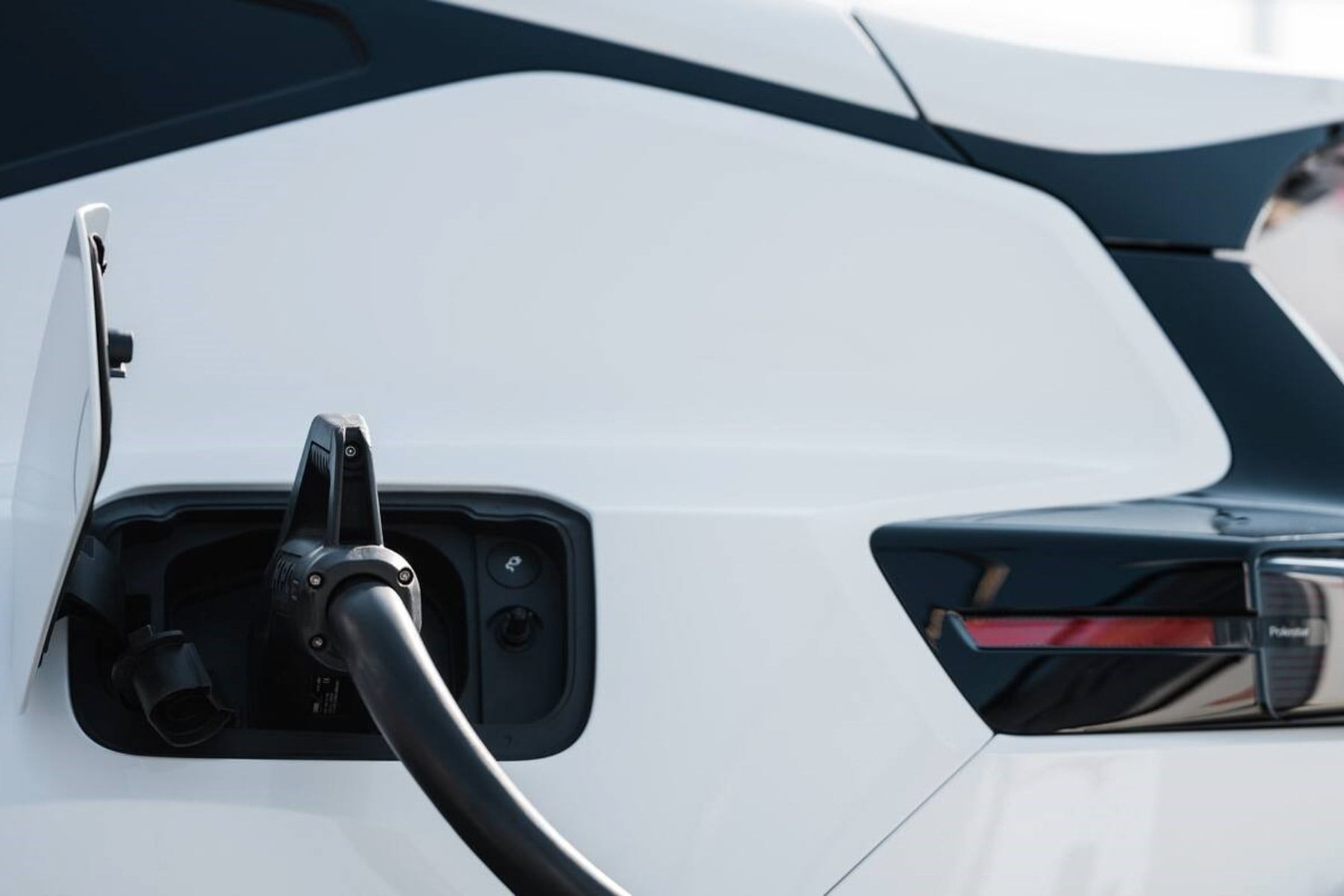
Cyprus is about to get a noticeably denser charging map. The country’s Ministry of Transport has committed to building 94 new fast-charging points by 2028, a programme budgeted at roughly €10 million and funded through the national Recovery and Resilience Plan.
The headline detail is who gets to plug in. Most of the new hardware — 76 points — is destined for passenger cars, each rated at 150 kW. The remaining 18 are reserved for heavy commercial vehicles and will deliver between 200 and 350 kW, giving electric trucks a reason to route through the island at all.
The work has already started. Ten of the programme’s stations are live at publicly accessible spots, at a cost of €840,660. Five of those sit at hospitals in Nicosia, Larnaca, Limassol, Kyperounta and Famagusta — the kind of location where a car idles for an hour or two anyway. Bus terminals and archaeological sites account for several of the others.
Key Specs: 94 new fast-charging points by 2028 · 76 passenger-car points at 150 kW · 18 truck points at 200–350 kW · ~€10 million budget
Where the Network Stands Today
Cyprus currently runs 384 public charging stations spread across 221 locations. Nicosia carries the heaviest concentration with 76, ahead of Limassol at 57, Paphos at 32, Larnaca at 29 and Famagusta at 27. The new build-out will not land all at once: 16 passenger-car stations are pencilled in for this year, then a bigger wave of 48 car points plus 12 commercial-vehicle sites in 2027, with the remainder closing out in 2028.
Why Heavy-Duty Gets Its Own Line Item
Splitting the funding between cars and lorries is the interesting editorial choice here. Island networks are easy to dismiss as tourism infrastructure, but freight still moves — and a 350 kW point is a very different animal from a 150 kW one, both in cost and in grid demand. Whether 18 truck chargers is enough to matter is a fair question. It is, at least, a start that most small markets have not bothered to make.
For drivers, the practical effect is less about top-end speed and more about coverage. A 150 kW unit is plenty for a modern EV to add meaningful range over a coffee stop. Three years from now, the gaps between those stops should be a good deal shorter.
Source: electrive.com
Curious how this compares to other EVs? Try our comparison tool →What do you think?