
Isuzu Group Brings Autonomy and Data Strategy to Japan Mobility Show Bizweek 2026
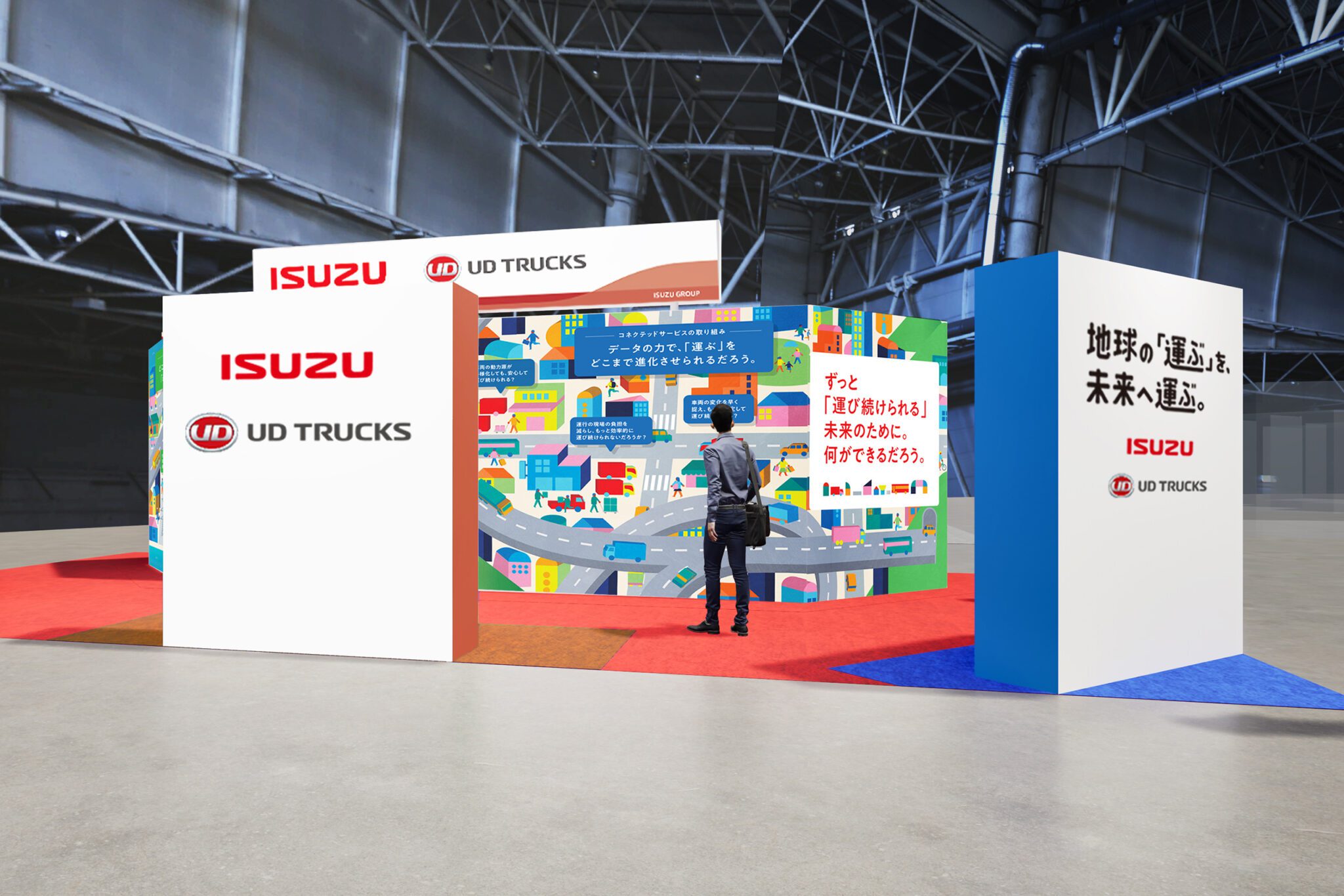
Isuzu and its UD Trucks subsidiary will occupy a joint stand at the Japan Mobility Show Bizweek 2026, running from 13 to 16 October at Makuhari Messe in Chiba. Rather than unveiling new hardware, the group is using the event to position itself as a commercial mobility solutions provider, with autonomy, carbon neutrality and connected services forming the three pillars of a mid-term plan that stretches to 2030.
On the decarbonisation front, Isuzu is laying out a multi-pathway strategy in which the choice of technology is dictated by vehicle size and the specific duty cycle a truck is expected to perform. The stand will also highlight charging-related work, including the EVision Cycle Concept, a battery-swapping system, alongside broader efforts on energy infrastructure that would need to accompany any large-scale fleet transition.
Autonomous driving is being presented less as a concept and more as a deployment programme. Exhibits cover AI-based development that draws on real driving data, dedicated test courses, pilots on trunk routes and route buses, and studies into remote monitoring. An Erga EV autonomous bus will also be displayed in the shared hall of the Japan Automobile Manufacturers Association.
Data acts as the connective tissue across all three themes. Isuzu’s Gatex commercial vehicle information platform underpins services such as Mimamori telematics for fleet operations, Preism for vehicle uptime, and EVision, which is designed to support the adoption of battery electric vehicles. No product launches or performance figures have been announced for the show.
Isuzu President and Chief Executive Naohiro Yamaguchi will appear alongside UD Trucks counterpart Koichi Ito at the Future Mobility Forum on 15 October, where the discussion will centre on the infrastructure required to keep goods and people moving. The messaging reflects a wider shift among commercial vehicle makers, who increasingly argue that software, data and service layers will matter to fleet customers as much as the trucks themselves.
What do you think?