
Infineon's New Traveo MCU Aims to Replace Cockpit SoCs With External LPDDR4 Memory
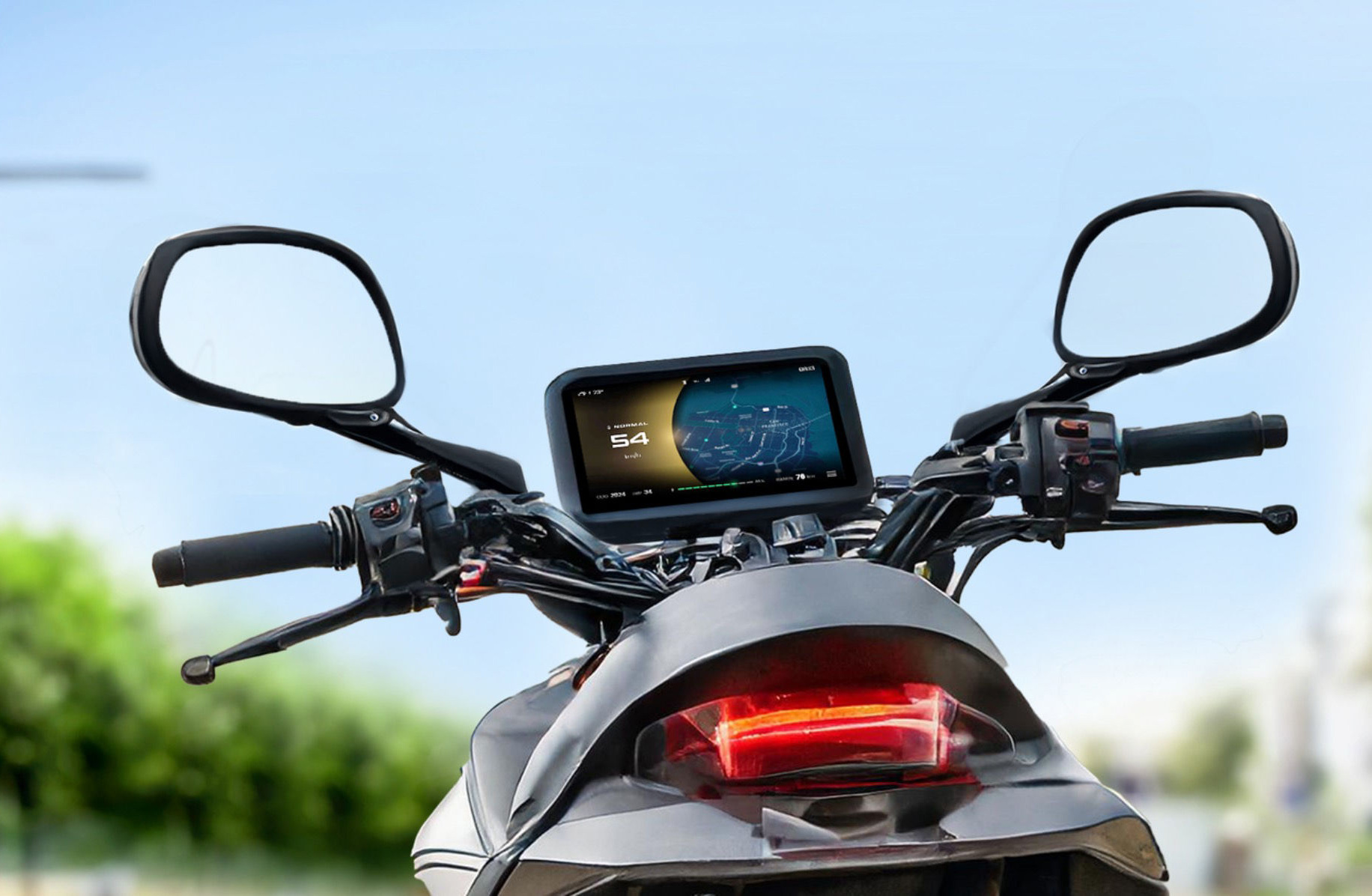
Infineon has introduced a new microcontroller it claims can handle instrument cluster and display graphics that have traditionally required full system-on-chip platforms. The Traveo T2G CYT4EN pairs an MCU architecture with external LPDDR4 memory, allowing it to render 2.5D and 3D visuals and drive two displays at resolutions up to Full HD. Infineon is pitching the part at cost-sensitive cockpit designs, including applications in the two-wheeler segment.
The company argues the approach trims both system complexity and bill-of-materials costs compared with SoC-based clusters. On-chip integration absorbs functions that would otherwise need separate MCUs for system control and networking, and the design supports six-layer PCBs while eliminating the need for active cooling. Fast start-up is another selling point: Infineon says the CYT4EN boots in under 150 milliseconds, a figure it contrasts with the multi-second initialisation typical of more complex SoC solutions. The device is rated up to ASIL-B under the ISO 26262 functional safety standard and was also developed to the ISO 21434 cybersecurity standard.
Thomas Boehm, Senior Vice President of Automotive Microcontrollers at Infineon, framed the move as a response to shifting cockpit expectations. He said advanced cluster and display solutions are becoming central to the user experience in connected and software-defined vehicles, and that the CYT4EN is intended to help customers bring such products to market faster and more affordably. Boehm described the part as combining the simplicity, safety and responsiveness of an MCU architecture with the memory bandwidth modern cockpit graphics demand.
Infineon worked with Micron on the memory subsystem, a detail that underscores how much the design leans on external LPDDR4 to close the graphics gap with SoC platforms. The CYT4EN is available now.
The launch reflects a broader question facing cockpit electronics suppliers: whether every display-heavy interior really needs SoC-class silicon, or whether a leaner MCU with the right memory can deliver sufficient visual performance at a lower total cost. For automakers working on entry-level and mid-range vehicles, that trade-off could matter as much as raw graphics capability.
What do you think?