
Hyundai's Next Wave Of EVs May Trade Bold Styling For Boxier, Family-Friendly Shapes
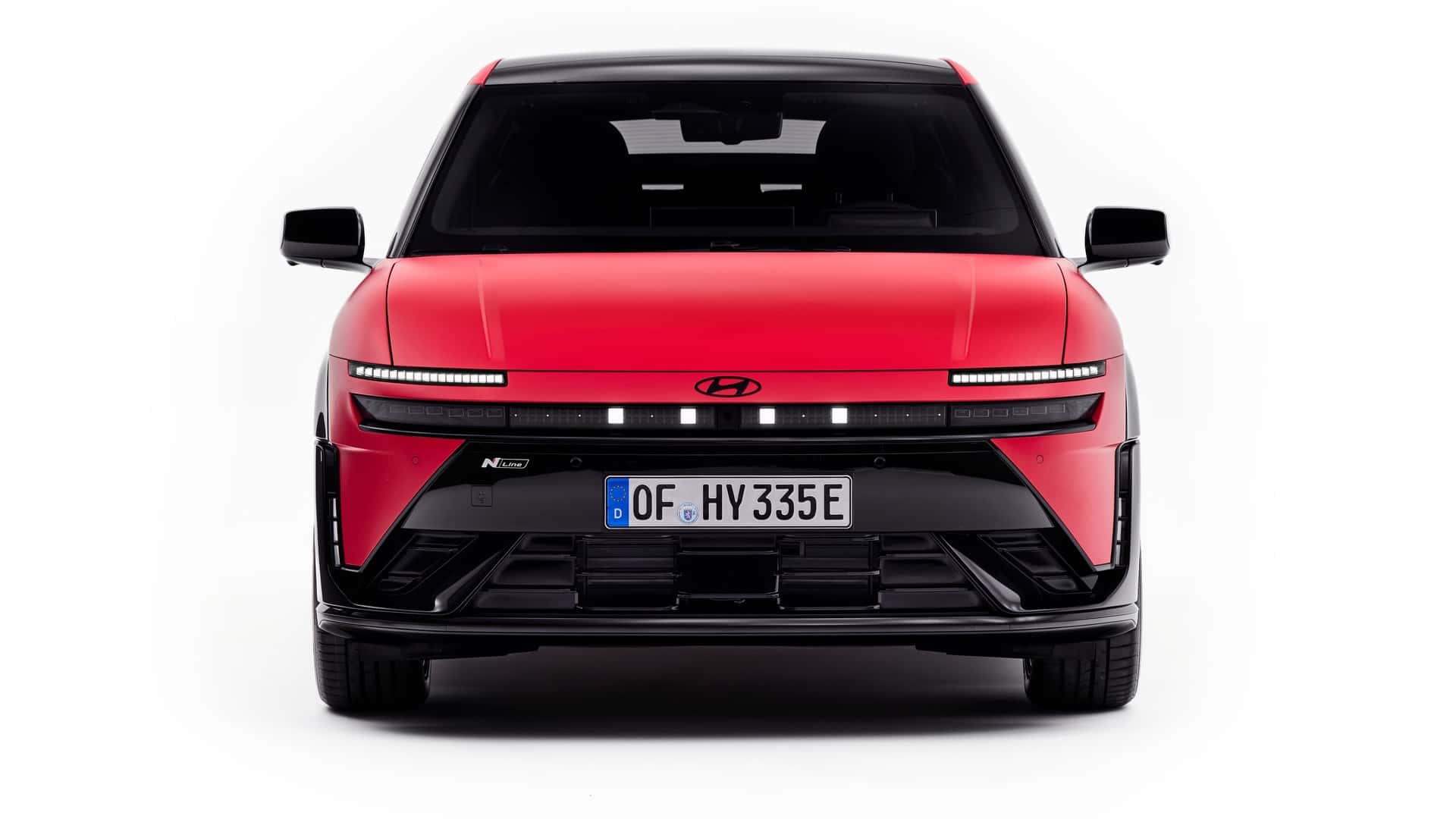
Hyundai has built a reputation for EVs that refuse to blend in. The Ioniq 5 arrived looking like a show car that somehow slipped past the production gate, and the Ioniq 6 pushed the aerodynamic sedan concept to a silhouette that still turns heads years after launch. That appetite for experimentation has won the brand plenty of attention, but it may also push away shoppers who simply want a practical electric SUV with a conventional roofline and enough cargo space for a family trip.
According to reporting from Auto Express, Hyundai is preparing two additional electric SUVs that would lean far more conservative than anything in its current stable. Both are said to be roughly 12 to 18 months away, split between a small and a midsize offering. The names Ioniq 4 and Ioniq 7 have been floated for the pair, though Hyundai has not confirmed either badge.
The smaller of the two would reportedly adopt a taller, more upright body while keeping a footprint close to that of the Kia EV3. That packaging choice prioritizes headroom and interior volume without stretching the vehicle’s dimensions. If the speculation holds, it could borrow the Ioniq 3’s 42-kilowatt-hour and 61-kilowatt-hour battery options along with the same 400-volt electrical architecture. Positioned alongside the Ioniq 3, it would give buyers a more traditional alternative at a nearly identical size.
The larger model targets a different problem. The three-row Ioniq 9 has earned praise for hauling families comfortably, yet its size and price tag put it out of reach for plenty of households. A prospective Ioniq 7 would slot between the Ioniq 5 and the Ioniq 9, reportedly closer to the bigger vehicle in scale, and would likely ride on Hyundai’s 800-volt platform wrapped in a boxier shell. Neither SUV has been confirmed for the United States, where Hyundai’s electric range has actually contracted: the Kona Electric is sitting out the 2026 model year, and the standard Ioniq 6 has been dropped, leaving the performance-focused N variant to represent the sedan. That leaves a clear opening for a smaller electric SUV on American soil, as long as Hyundai can price it comfortably below the Ioniq 5 to make the upgrade decision meaningful.
What do you think?