
Kia Bets Its $30,000 EV3 Can Succeed Where The Bolt And Leaf Stumbled
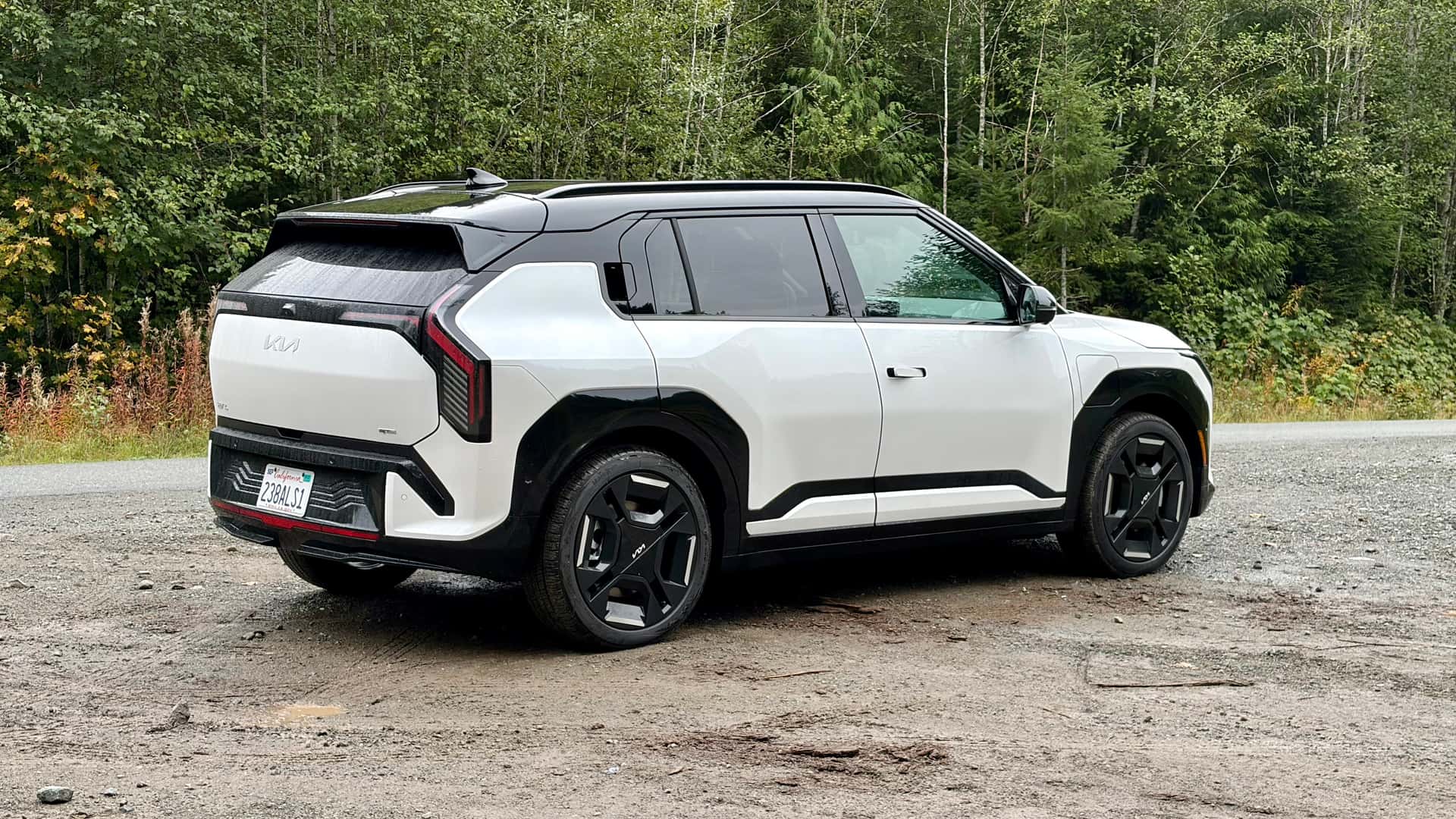
Kia is betting that its newest and cheapest electric crossover can become the brand’s volume leader in the United States—a claim that would have sounded bold a few years ago, and sounds even bolder now. The EV3 went on sale in August, and Kia’s Young Kim, the senior product planning manager overseeing the model, told reporters during a recent press drive that the company expects it to eventually rank as its top-selling EV stateside. He declined to put a timeline on that ambition.
There is precedent to point to. In Europe, where the EV3 has been on the market for roughly two years, it already holds that title: it was Hyundai Motor Group’s best-selling electric model in the region during the first half of 2026, moving about 27,000 units. Whether American buyers will respond the same way is a far more open question.
The small, affordable EV segment has proven brutal lately. General Motors has said the redesigned Chevy Bolt will only see a limited production run stretching partway into 2027, and Nissan’s latest Leaf has been slow to find buyers—just 2,318 U.S. deliveries so far this year, down from the same stretch in 2025 before the new generation even arrived. With the $7,500 federal tax credit gone and fuel-economy rules loosened, several automakers have cooled on the idea that cheap electric cars are worth the investment.
Kia’s own electric lineup shows the mixed picture. EV6 sales have dropped roughly 45% year-to-date to 6,264 units, while the larger three-row EV9 has held remarkably steady at 12,429 sales, essentially matching last year’s pace and currently ranking as the brand’s best-selling EV. That resilience—combined with the fact that the EV3 drives and looks far more premium than its price suggests—helps explain why Kia is more optimistic than some rivals. Christine Bagnard, Kia America’s director of sales and field operations, said the company has no high-volume plan in place right now but could scale up if demand warrants it, pointing to strong early interest in high-adoption states like California as well as some less obvious markets.
Kia’s longer-term thesis is that the mainstream electric SUV segment will surpass 400,000 annual units by 2030, with entry-level models accounting for about 35% of that total. It is not alone in that bet: Ford reportedly wants to move 100,000 Fathom electric pickups a year once production begins next fall, and Slate has said its Illinois plant could eventually produce 150,000 vehicles annually. The obstacles are just as clear, though—shrinking incentives, a softer EV market, a preference among Americans for larger vehicles, and a growing pool of lightly used EVs selling at steep discounts. The EV3 does hold one advantage the Bolt and Leaf lacked: it doesn’t feel like a penalty box. With the bigger battery, it offers up to 321 miles of range, and its boxy, scaled-down-EV9 styling may resonate better with U.S. shoppers than the rounded shapes of its predecessors. Whether that is enough to make small electric cars click in America remains to be seen.
What do you think?