
A YouTuber Left Lucid And Tesla Behind—Here's Why He Now Drives A Used Mustang Mach-E GT
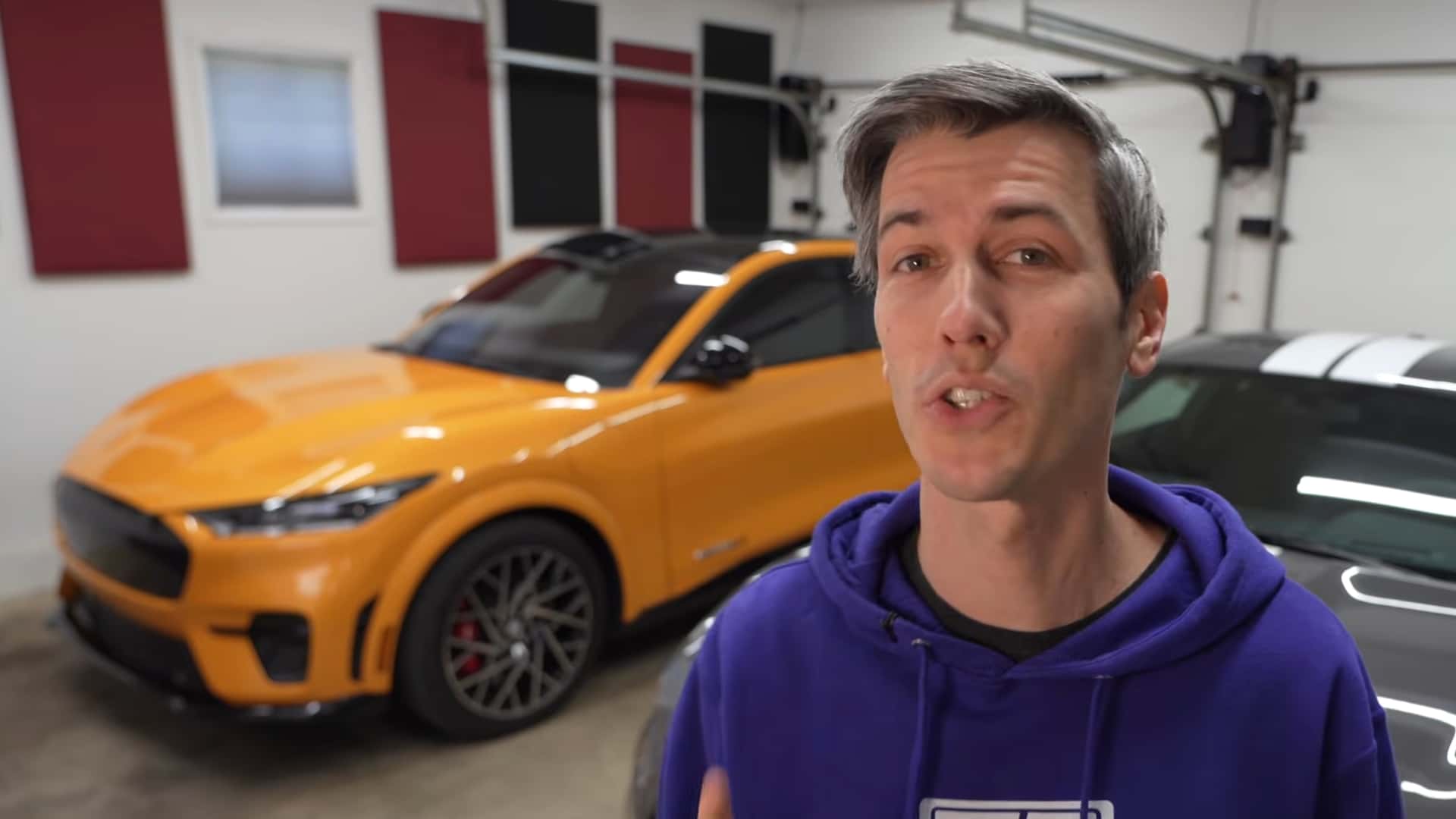
Jason Fenske, the engineer behind the popular Engineering Explained channel, has spent years trying to find an electric car that actually fits his life. After enjoying an early Tesla Model 3 Performance for a long stretch, he stepped away from the brand once Elon Musk’s government cutbacks hit his family directly. Turning to Lucid, he picked the Air precisely because its engineering impressed him—only for that ownership experience to fall apart as well. Speaking on the Plugged-In Podcast and in a recent video, Fenske laid out how he ended up behind the wheel of a four-year-old Ford instead.
The Mach-E wasn’t the plan. Fenske had his sights set on a Rivian R2 after being won over on a first drive, but his delivery window stretched to the end of the year and he needed something to drive in the meantime. Lucid even offered a Gravity as a long-term loaner to fill the gap, yet the free car turned out to be more hassle than it was worth. He also tried to track down a Genesis GV60 in a highlighter-yellow finish, but that fell through too.
What he landed on was a 2022 Mustang Mach-E GT Performance Pack finished in Cyber Orange Metallic, rated at 480 horsepower and 260 miles of EPA range. The spec that mattered most to him wasn’t the output, though—it was the physical controls. Gear selector, wipers, lights, and volume all have real buttons and knobs, exactly the kind of tactile interface he found missing in both his Tesla and his Lucid. His car also came with the magnetic ride suspension, a setup that reviewers consistently rate as a standout.
The ownership story isn’t flawless. Fenske flags the Mach-E’s laggy infotainment display and awkward door handles as ongoing frustrations, and he points to a modest charging curve—roughly 40 minutes to go from 10 to 80 percent. His own highway testing suggests around 212 miles of real-world range on a full charge, which makes the Ford a less-than-ideal long-distance tourer. Those same gripes have pushed other shoppers toward alternatives; one reviewer noted crossing the Mach-E off their list over the display and door handles before buying a Chevy Blazer EV.
None of that changes Fenske’s overall conclusion. Having lived with EVs long enough to know their strengths, he argues the instant torque, quiet operation, and lower maintenance burden outweigh the drawbacks by a wide margin. A gas-powered Mustang still sits in his garage, but the electric Ford handles the bulk of his driving. It’s a practical endorsement from someone who has now owned three different EV brands—and a reminder that software quality and usable controls can matter more to buyers than outright sophistication.
What do you think?