
Hyundai Pulls the Plug on Ioniq 3 for Australia as Budget EV Price War Escalates
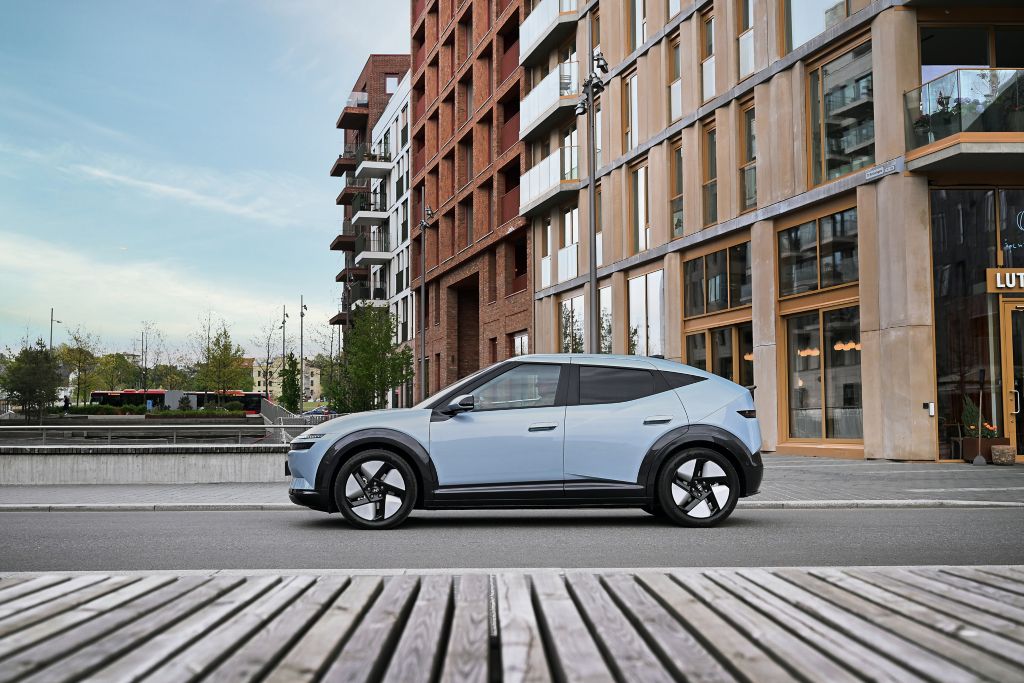
Hyundai has abandoned its plan to sell the new Ioniq 3 electric hatchback in Australia, shelving a model that had been expected to anchor the brand’s push into the affordable end of the market. The company has also taken the Ioniq 3 interest-registration page off its Australian site; the page, which had told shoppers the car was “coming soon,” now funnels visitors to Hyundai’s broader lineup, with no mention of the compact EV.
Speaking to the media, a Hyundai representative attributed the reversal to pure economics. Because Australian-bound Ioniq 3s would have to be shipped from Hyundai’s İzmit factory in Turkey, import costs would be steep, and the car would be dropped straight into one of the most cut-throat segments on the market. According to the spokesperson, the figures simply could not be made to work against the current competition.
The timing makes the decision sting. As recently as August, UK pricing pointed to a possible sub-19,990 driveaway — the cheapest new car of any drivetrain type in the country — and has trimmed the Dolphin to 26,490 before on-road costs, GAC’s Aion UT sits near 35,990 driveaway, and Honda has just rolled out the tiny Super-ONE at $36,900 driveaway.
That pressure made importing a Europe-first model from Turkey and pricing it aggressively a losing proposition. The loss is notable because the Ioniq 3 was among the more promising small EVs on the horizon: a five-seat compact hatch that debuted globally in April, entered production in Turkey in August as the plant’s first BEV, and offers up to 497 km of WLTP range depending on trim, paired with Hyundai’s Pleos Connect infotainment, vehicle-to-load, Plug & Charge and a built-in route planner. Its blend of small footprint and long range seemed tailor-made for an Australian market still tilted toward SUVs. Instead, it joins the growing list of Europe-focused small EVs Australians will only read about — and the reason says more than the cancellation itself.
What do you think?