
Hyundai Keeps Hydrogen Truck Dream Alive as Rivals Walk Away
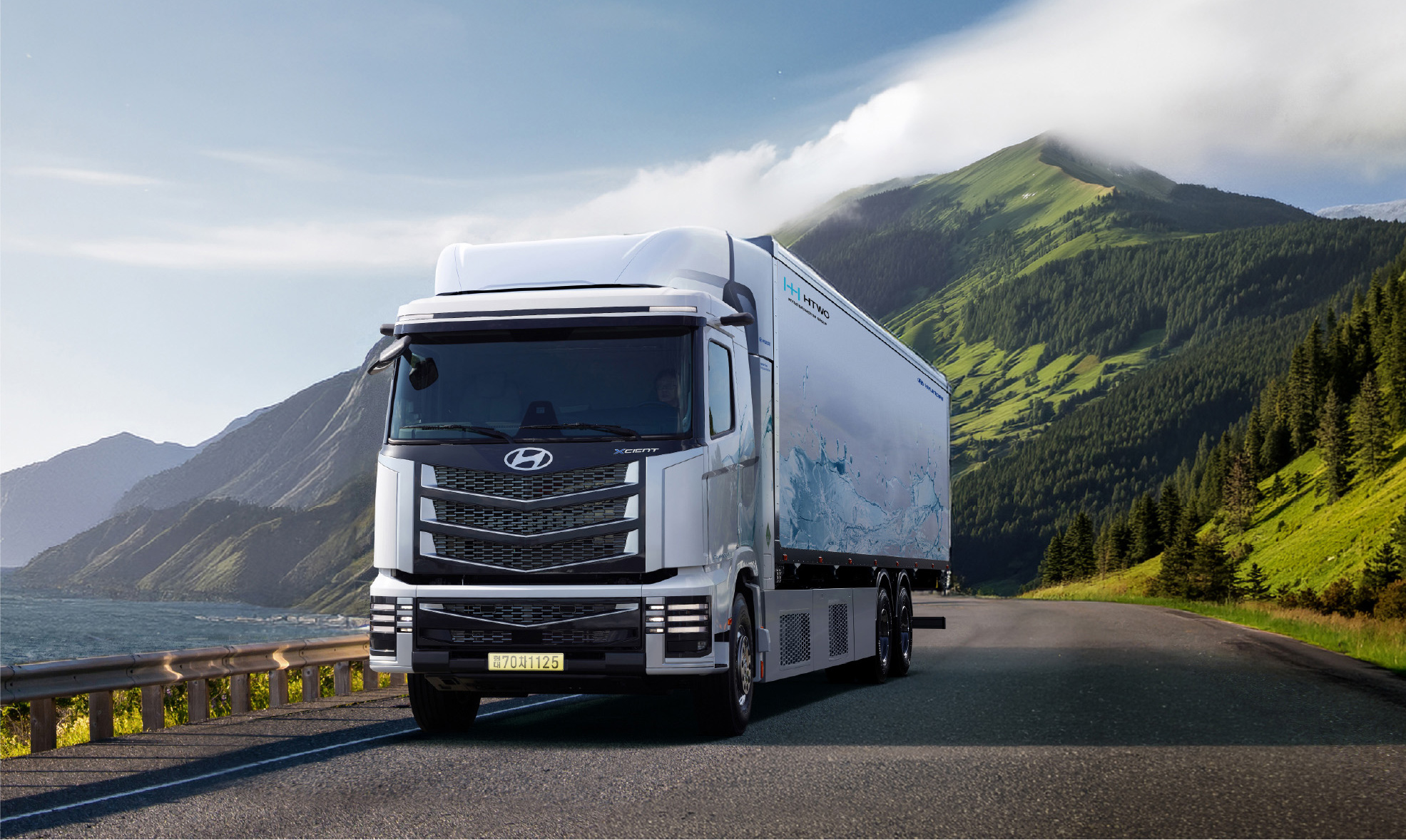
Hyundai isn’t ready to give up on hydrogen for heavy transport. The Korean manufacturer plans to unveil its first fuel cell system developed specifically for trucks and buses, and it’s bundling that hardware with automated refuelling and uptime monitoring tools aimed at fleet operators.
That makes Hyundai something of an outlier. Several competitors have quietly scaled back their hydrogen ambitions for commercial vehicles, betting instead on battery-electric platforms for short and regional haulage. Hyundai, meanwhile, is pressing ahead — a strategic bet that clean hydrogen will eventually find its footing in long-distance and heavy-duty work where batteries struggle.
The Wider Commercial Vehicle Picture
Hyundai’s hydrogen push wasn’t the only item worth flagging in this week’s roundup of industry developments. Three other stories stood out:
- Volvo Group’s Q3 margins: The Swedish group’s improved profitability partly leaned on tariff refunds and currency tailwinds — factors that may not repeat in the coming quarters.
- Charger Logistics and Aurora: The carrier has agreed non-binding terms to bring up to 500 Aurora-driven trucks into its operations, a sizable bet on autonomous freight.
- Amazon India’s electric middle mile: The e-commerce giant is adding 3,000 Tata Motors electric trucks to its Indian logistics network.
Each of these tells a slightly different story about where investment is flowing — into autonomy, into electrification of last- and middle-mile fleets, and, in Volvo’s case, into the sometimes-unglamorous financial plumbing that shapes quarterly results.
Why Hyundai’s Fuel Cell Bet Matters
For fleet operators, the Hyundai announcement is a reminder that the hydrogen option hasn’t disappeared from the table. Fuel cell trucks offer fast refuelling and long range compared with battery-electric alternatives, though they remain hamstrung by thin refuelling infrastructure and the cost of green hydrogen.
What to watch: Hyundai’s pitch pairs the fuel cell stack with automated refuelling and uptime monitoring — an acknowledgement that the truck itself is only half the equation for fleets.
Whether that combination convinces hauliers still weighing diesel, battery and hydrogen is the open question. The hardware will be on display soon; the business case will take longer to prove.
Hyundai’s move also underlines a broader split in the industry. While battery-electric technology dominates the conversation around urban and regional commercial vehicles, hydrogen retains a committed camp focused on the hardest duty cycles. Hyundai appears content to plant its flag in that camp — and see who follows.
Photo: Hyundai / Automotive World · Official Press Kit / Editorial (Editorial / Press Kit)
Source: Automotive World
What do you think?