
Hyundai Brings Its Commercial Hydrogen Fuel Cell System to the Show Floor
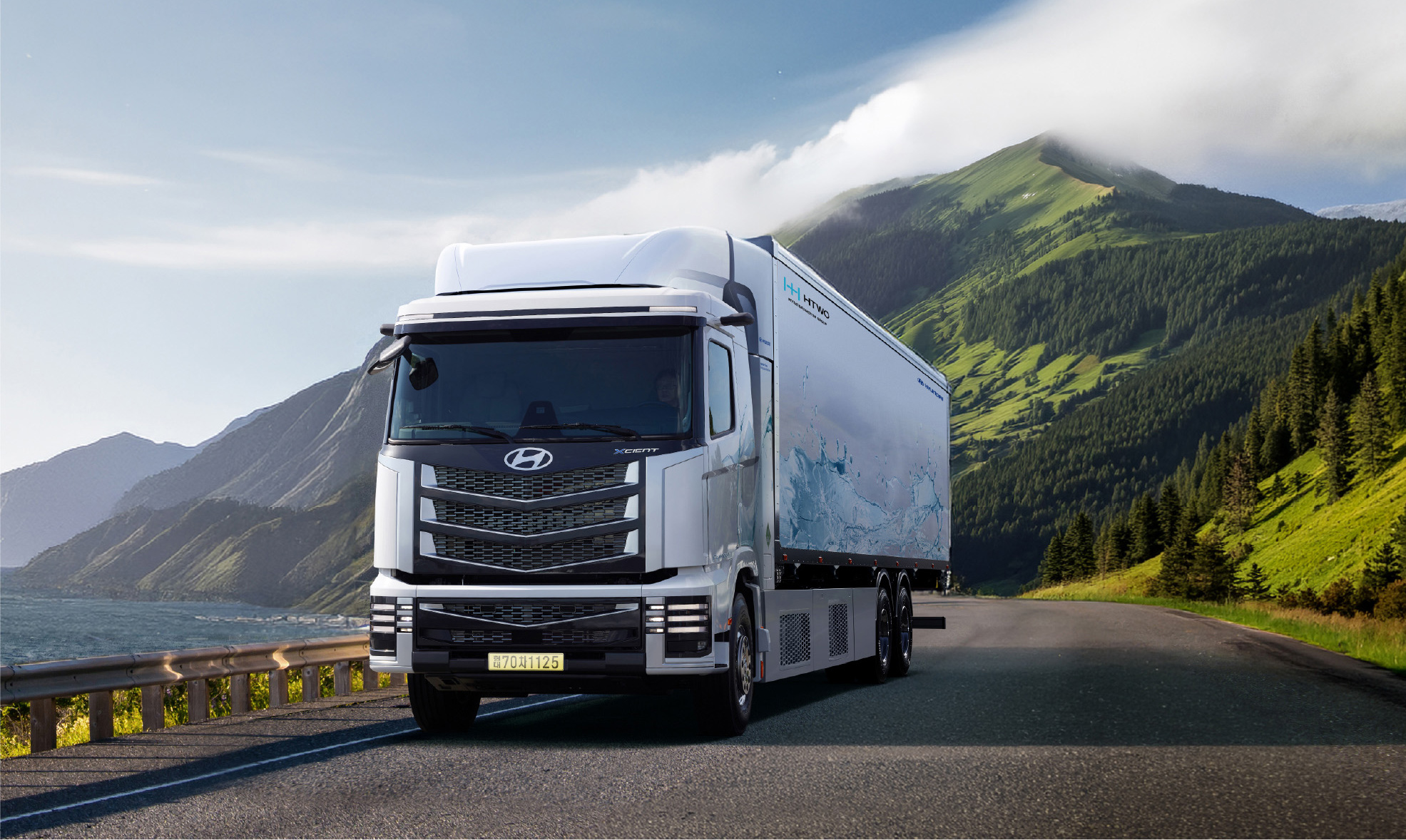
Hyundai Motor Group is finally putting its heavy-duty hydrogen hardware in front of the public. The group will present a fuel cell system built specifically for commercial vehicles at World Hydrogen Expo 2026, held at Kintex in Goyang, South Korea, between 4 and 6 November 2026 — the first time the hardware has been shown in this form.
Two companion technologies will share the stage: a robotic refuelling setup for a hydrogen-powered refuse truck, and a fleet monitoring service. Together they point at the same problem. Fuel cell trucks and buses work longer shifts, cover more ground and carry heavier loads than passenger cars, so the system has been beefed up accordingly.
On Show: Commercial fuel cell system · Automatic Charging Robot-Hydrogen · Bluelink Uptime Care · Elec City Fuel Cell bus · Universe Fuel Cell coach · The New Xcient Fuel Cell truck
Robots at the Pump
The Automatic Charging Robot-Hydrogen is designed to refuel without a human on hand, day or night. For depot managers and station operators, that is less about novelty and more about squeezing cost and idle time out of every shift.
Bluelink Uptime Care, meanwhile, watches each vehicle in real time — operating status, the health of key components, faults as they appear. Fleet buyers care about uptime above almost everything else, and this is Hyundai’s answer to that.
A Bus Built for the Law
Visitors can step aboard the Elec City Fuel Cell, a low-floor intercity bus under development with wheelchair users and passengers with reduced mobility in mind. The timing is no accident: South Korean regulations require low-floor intercity buses from 2027, which hands the model a guaranteed domestic market.
Ride-alongs are also planned in the updated Universe Fuel Cell coach and The New Xcient Fuel Cell truck.
A Hyundai Motor Group spokesperson framed the push around everyday practicality: the aim is to improve convenience across operation, maintenance and refuelling, and to establish hydrogen commercial vehicles as a trusted choice in real-world transport work.
Why Hyundai Keeps Going
The wider picture makes this a lonelier bet than it once looked. Stellantis has walked away from its hydrogen van programme, and Daimler Truck has pushed series fuel-cell trucks into the 2030s. Aside from Toyota, few automakers are still putting meaningful product and development money into hydrogen mobility.
- Policy tailwind: Korea’s 2027 low-floor bus mandate and public procurement give Hyundai a domestic outlet that private freight demand has not delivered.
- Operational focus: Automated refuelling and live uptime tracking go after station reliability and maintenance headaches — the issues fleets cite most often.
- The real bottleneck: Infrastructure, not vehicle engineering, now appears to be what holds adoption back.
Hyundai, in short, is betting that the hard part is no longer building the truck. It is keeping the truck running.
Source: Automotive World
What do you think?