
Hyundai Insists Hydrogen Isn't Dead — But It Still Can't Find the Buyers
Hyundai isn’t pulling the plug on hydrogen fuel cell vehicles. The harder admission, according to one of its own executives, is that the customers simply aren’t lining up.
Speaking to CarExpert, Scott Nargar, Senior Manager of Future Mobility & Government Relations at Hyundai Australia, put the problem in plain terms: “The biggest thing is you’ve got to find customers.” Even so, he was clear that hydrogen isn’t finished as far as passenger cars go.
That tension — corporate commitment on one side, empty order books on the other — sums up where fuel cell tech sits right now.
A Pitch That Should Have Worked
On paper, FCEVs read like the ideal answer. They refuel in minutes rather than sitting at a plug for half an hour, they cover long distances on a single tank, and the only thing coming out of the tailpipe is water vapor.
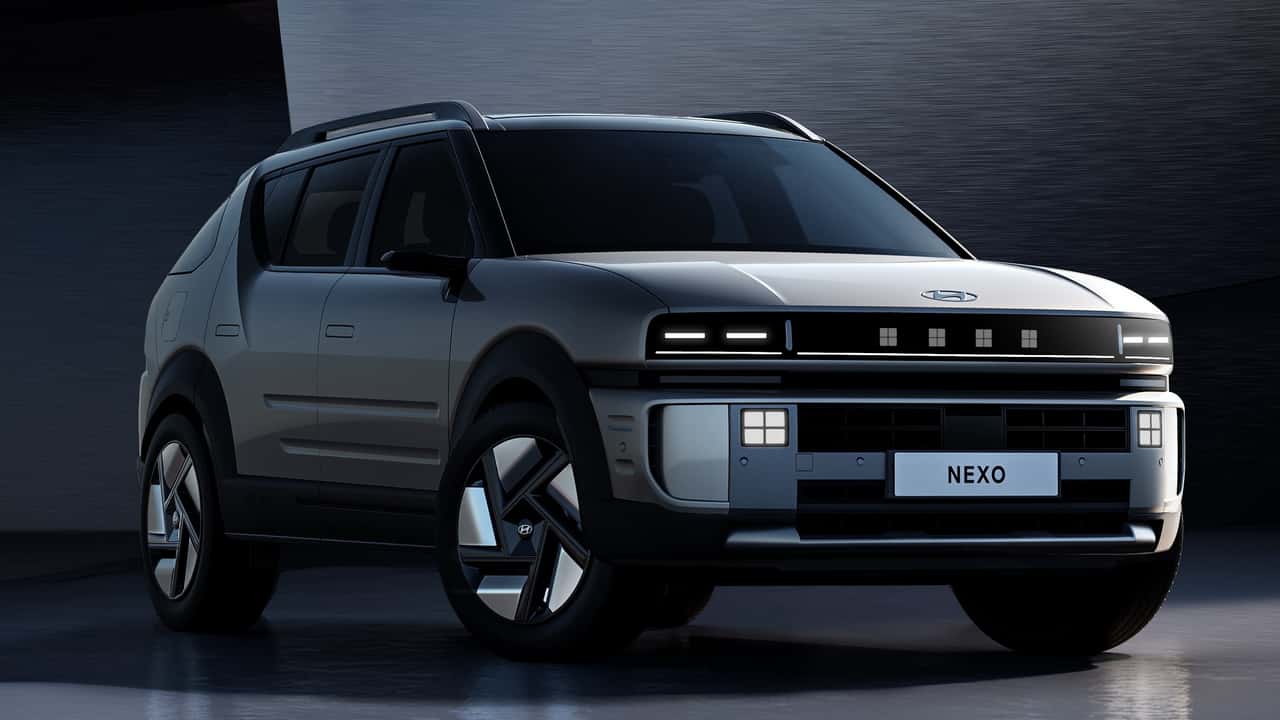
Hyundai’s latest passenger model, the second-generation Nexo crossover, shows what the engineering looks like in practice. Unveiled in 2025 as a global offering, it pairs a 110-kilowatt electric motor with a 2.64-kilowatt-hour buffer battery fed by the fuel cell stack.
Key Specs: Second-gen Hyundai Nexo · 110 kW electric motor · 2.64 kWh buffer battery · ~435 miles of range per tank
And yet, ask around and few people can name a single hydrogen driver they know.
The Two Problems That Won’t Go Away
Hyundai’s rival Toyota has kept the Mirai alive for years, and BMW, General Motors and Honda have all put money into fuel cells too. None of it has moved the needle much. Two obstacles keep getting in the way:
- Refueling is nearly nonexistent. Outside a handful of regions, hydrogen stations are so sparse that owning an FCEV is impractical for most drivers.
- The price tag is higher. Fuel cell cars cost noticeably more than equivalent petrol or battery-electric models — a tough sell at a time when EV pricing has fallen sharply compared with a decade ago.
Meanwhile, the charging network has quietly become the strongest argument for going electric instead. With plugs multiplying and range anxiety fading for many buyers, the case for hydrogen as a consumer option has gotten thinner, not stronger.
Why Hyundai Keeps Writing the Checks
The explanation isn’t really about today’s showroom traffic. It’s about hedging. Developing a new fuel cell stack and building out refueling infrastructure is expensive, but Hyundai and a few others see hydrogen as a long-game bet — insurance against a future in which petrol and diesel aren’t as easy to come by as they are now.
Notably, Hyundai has kept its hydrogen passenger plans fairly contained. While Toyota has been willing to sell a Mirai to any California buyer with the cash, Hyundai’s FCEV ambitions have largely played out through limited real-world trials rather than mass retail.
The Nexo, then, is less a volume play than a statement of intent. Whether that intent ever meets a paying customer base is the question Nargar’s own words leave hanging.
Photo: Hyundai / InsideEVs · Official Press Kit / Editorial (Editorial / Press Kit)
Source: InsideEVs
What do you think?