
How Tesla's Charging System Became America's EV Standard
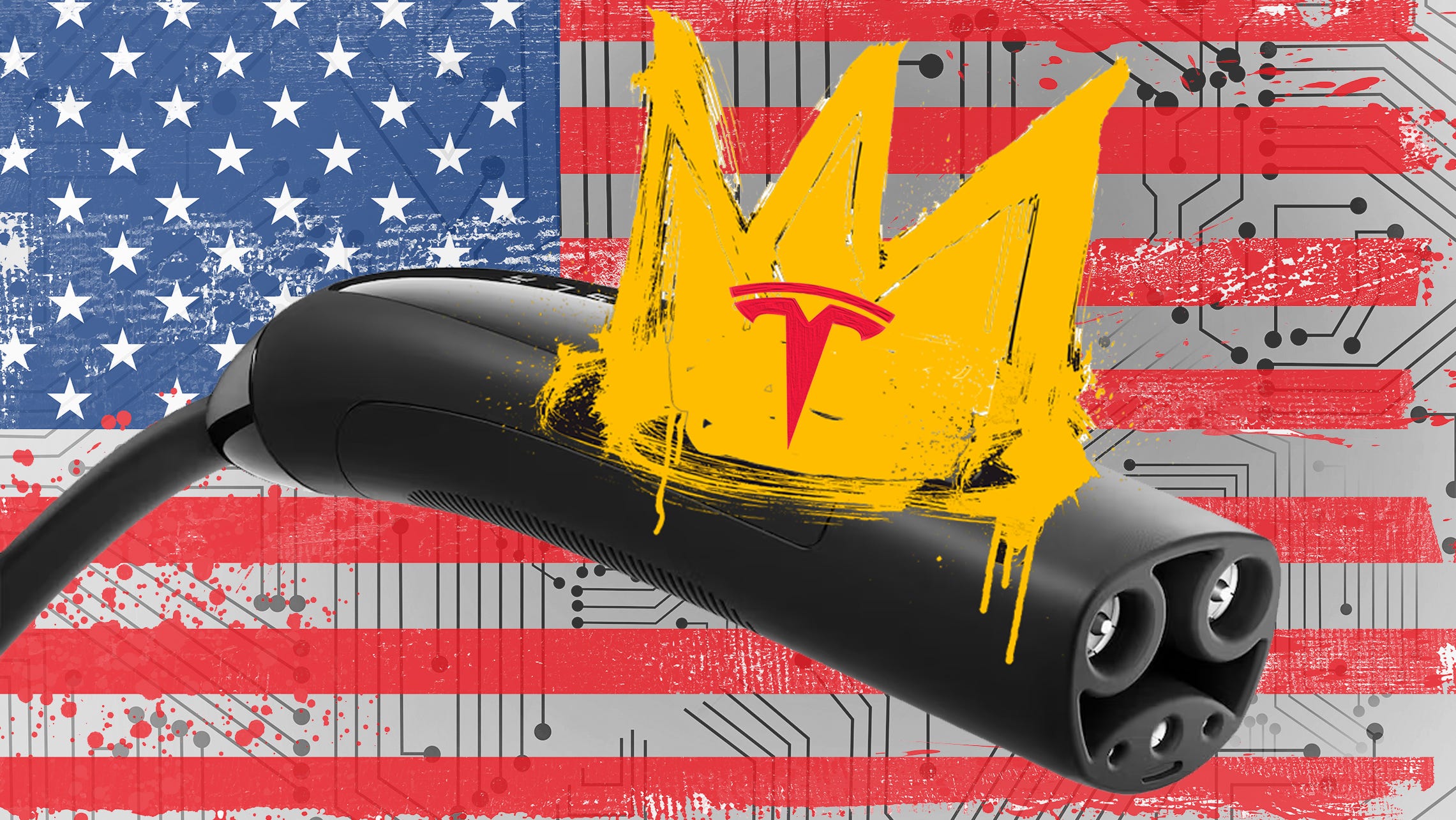
Tesla’s charging connector, known as the North American Charging Standard (NACS), has emerged as the dominant charging interface in the United States. Its journey from a proprietary plug to an industry-wide standard is a case study in how early infrastructure investment and reliability can shape an entire market.
The story begins with Tesla’s decision to build its own Supercharger network when other automakers were relying on third-party charging providers. By deploying thousands of high-power stations along major highways, Tesla created a seamless charging experience for its customers. The network’s reputation for uptime and ease of use set a benchmark that competitors struggled to match.
When Tesla opened its connector design to other manufacturers in 2022, the move was initially met with skepticism. However, within a year, major automakers including Ford, General Motors, and Rivian announced they would adopt NACS in their future vehicles. This shift was driven by both the technical merits of the connector—it is smaller, lighter, and capable of higher power delivery than the Combined Charging System (CCS)—and the allure of granting customers access to Tesla’s vast Supercharger network.
The widespread adoption of NACS has significant implications for the EV industry. It simplifies charging for consumers, reduces the need for multiple adapters, and encourages investment in a single, unified charging infrastructure. For Tesla, it reinforces its position as a leader in EV technology and could open new revenue streams through charging partnerships.
Looking ahead, the transition to NACS will require coordination among automakers, charging equipment manufacturers, and standards organizations. While challenges remain, such as retrofitting existing CCS stations, the momentum behind NACS suggests that America’s charging landscape is converging on a single standard—one that was pioneered by Tesla.
What do you think?