
Google Patents Flypaper-Like Coating to Keep Self-Driving Cars Clean
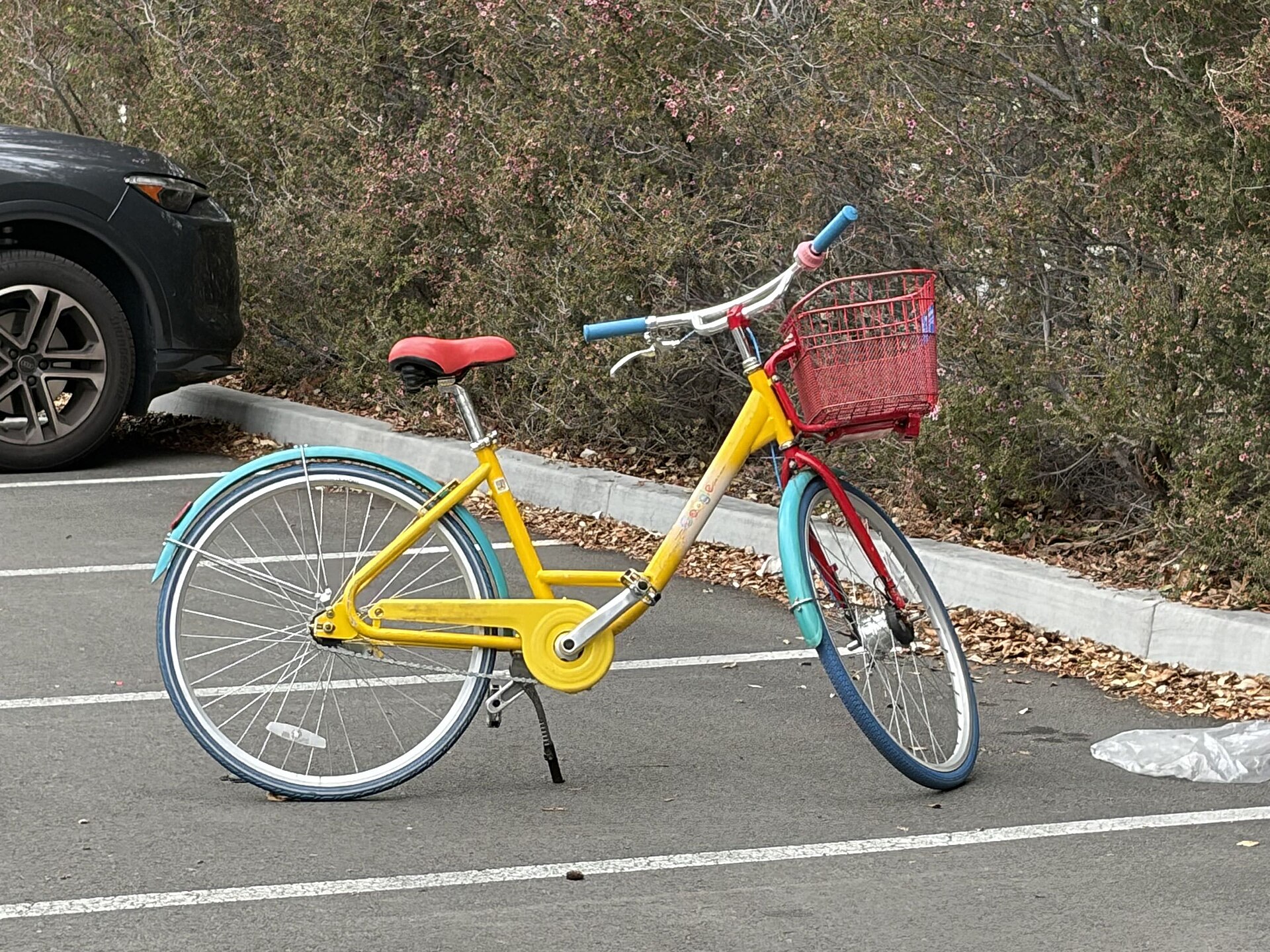
Google has secured a patent for a sticky, flypaper-style coating designed to keep the sensors on self-driving cars free of dirt, bugs and debris. The idea is simple in principle: rather than relying solely on wipers, sprays or manual cleaning, a vehicle could use an adhesive surface to trap the grime that would otherwise cloud the cameras, lidar and other sensors that autonomous systems depend on to perceive the road.
Sensor contamination is one of the less glamorous but genuinely serious hurdles for self-driving technology. A single smeared insect or a film of road spray can degrade the data a vehicle receives, and in a fully autonomous car with no human driver to wipe a lens, that blind spot can become a safety issue. Google’s patent approaches the problem from a materials angle, proposing a coating that captures contaminants before they reach the sensitive optical surfaces.
The patent filing does not mean the coating is headed to production vehicles imminently. Companies routinely patent concepts that never reach the market, and Google’s self-driving efforts have evolved substantially over the years, with its autonomous vehicle work now housed under Waymo. Still, the document offers a window into how engineers are thinking about the unglamorous maintenance challenges that come with removing human drivers from the equation.
Keeping sensors clean is part of a broader push across the autonomous vehicle industry to make self-driving systems robust in real-world conditions, not just on sunny test tracks. Rain, snow, dust and insects all pose persistent threats to sensor performance, and automakers and tech firms have experimented with heated lenses, air blasts and self-cleaning enclosures. A flypaper-like coating represents a different, perhaps simpler, line of attack.
Whether such a sticky surface could be practical at scale remains an open question, since an adhesive that traps bugs would eventually need to be replaced or refreshed. But the patent highlights how much of the race to autonomy hinges on mundane engineering details rather than just software algorithms. For now, it stands as another example of Google’s willingness to explore unconventional solutions to the everyday problems of driverless cars.
What do you think?