
Germany Backs Tesla FSD for Europe, But Wants the Name Changed
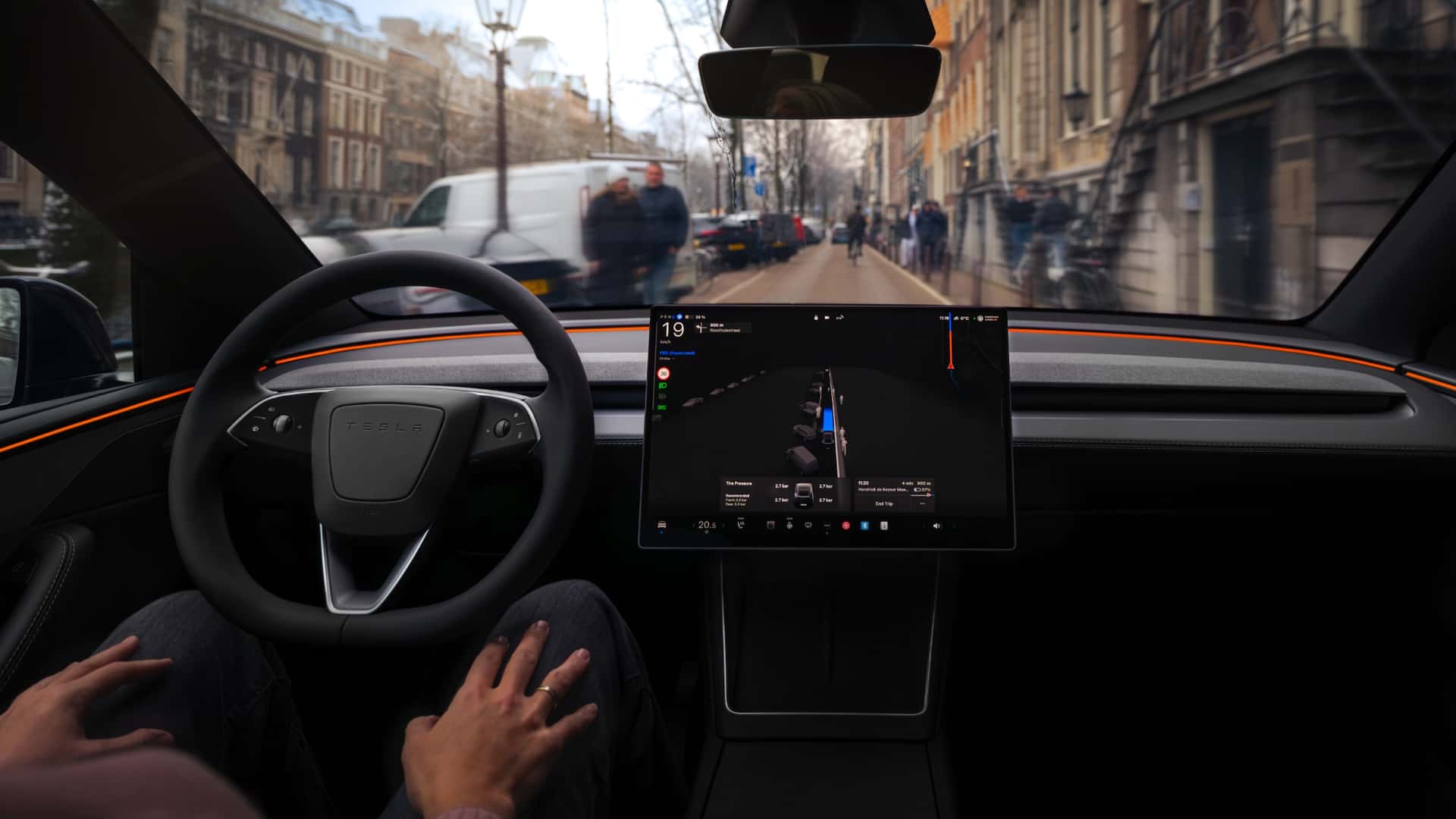
German transport officials have thrown their weight behind Tesla’s push to bring Full Self-Driving to the whole of Europe, though the endorsement comes with a notable condition: regulators believe the feature’s name overpromises and should be replaced.
According to a statement released on October 6 by Germany’s Federal Ministry of Transport, talks took place in September between Transport Minister Steffen Bilger and Tesla representatives regarding the future of the driver-assistance suite. The two sides reportedly found common ground on technical and liability questions, which prompted Bilger to advocate for a prompt EU-wide green light. Among the agreed points was a tolerance allowing vehicles to travel up to 10% above the posted speed limit, a concession meant to keep traffic flowing more naturally and to address fears about excessive speeding. That concern is not hypothetical: the American version of the software includes an aggressive mode that can push well past legal limits in certain situations.
The naming question loomed just as large for German authorities, who regard “Full Self-Driving” as misleading because it implies a level of autonomy the system does not deliver. Tesla has reportedly offered to market the technology as “Tesla Assisted Driving” instead, a label that makes clearer that the person behind the wheel stays fully responsible at all times. The ministry also credited the system’s performance in urban settings, saying it seldom needs the driver to step in for steering, acceleration or braking. Still, officials framed their position as support for European regulatory approval of the technology, not an outright blessing of the version currently on the road.
Rollout across Europe has been uneven so far. FSD is already accessible in eight countries, including the Netherlands, Belgium, Denmark, Lithuania, Estonia, Slovenia, the Czech Republic and Croatia. Dutch regulators cleared it for public roads in April after more than 18 months of review. Individual nations can honor that authorization on their own terms, but acceptance across the entire EU requires a separate vote from member states, which is why Germany’s stance could prove pivotal in smoothing wider adoption.
The European and U.S. versions of FSD are not identical. Beyond the speed-offset differences, the variant approved by Dutch regulators leaves out the more aggressive driving mode offered in the United States. Early demonstrations on European soil have been favorable, with the system handling exceptionally narrow cobbled streets in downtown Aarhus, Denmark, where cyclists, pedestrians and cafe patrons left little room to maneuver. Its spatial judgment impressed observers, with only minor errors reported. Subscription numbers offer another measure of scale: FSD passed 1.48 million subscribers in July, and Tesla moved to a subscription-only model in the U.S. after dropping upfront purchases for new customers in February 2026. It currently costs $99 a month in America and €99 in European markets. With Berlin now on board in principle, the question shifts to how quickly the rest of the bloc follows.
What do you think?