
FMCSA Approves Warning Beacons for Autonomous Trucks, Overturning 2024 Rejection
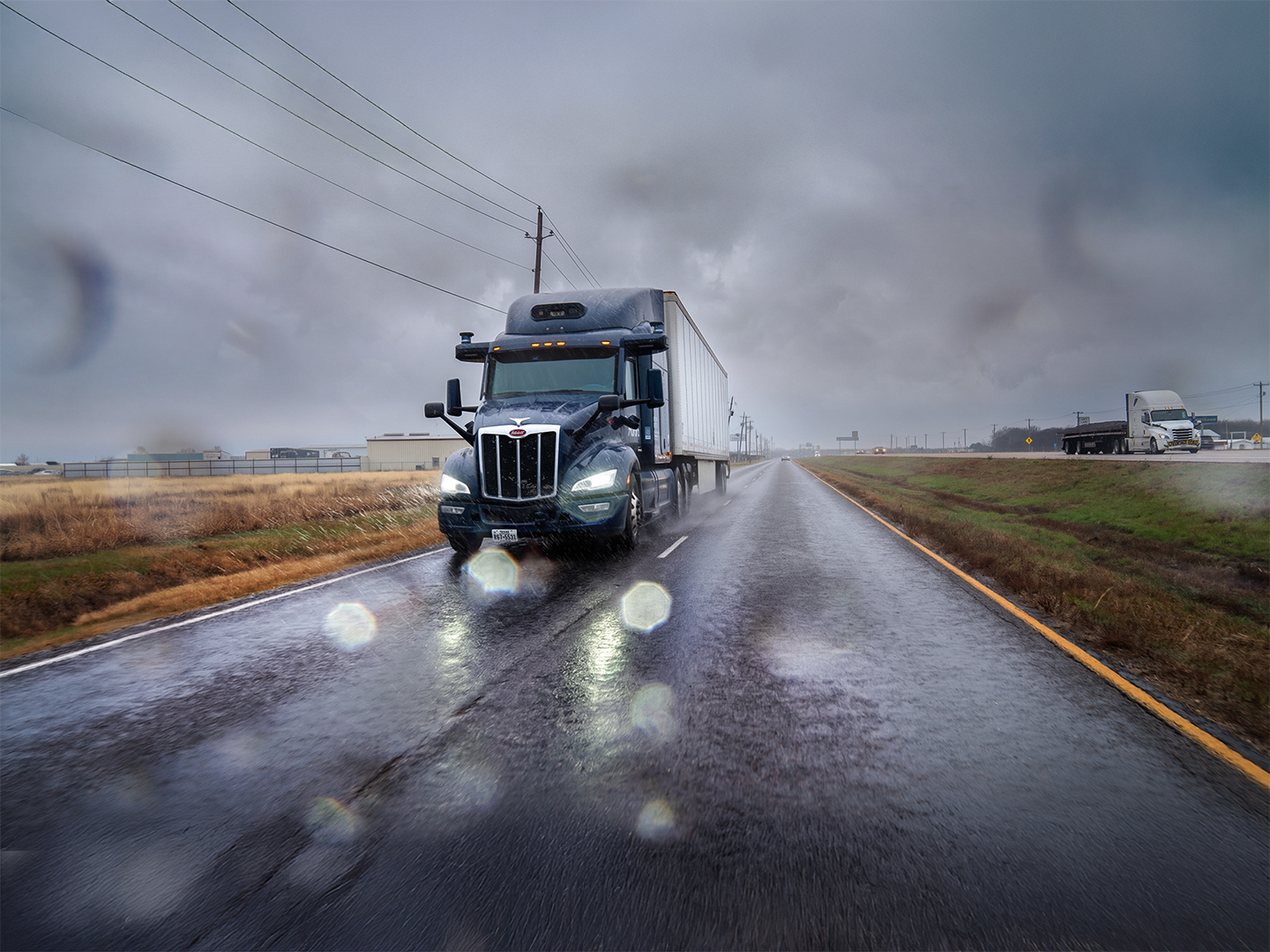
US federal regulators have handed autonomous trucking developers a five-year exemption that lets driverless rigs use amber warning beacons mounted on the cab instead of the reflective triangles human drivers normally arrange around a stopped vehicle. The Federal Motor Carrier Safety Administration (FMCSA) issued the decision on 7 October, and it stays in force until October 2031. What looks like a small equipment tweak carries outsized weight: it removes a long-standing compliance hurdle for driverless freight and applies not just to Aurora, which filed the application, but to any SAE Level 4 operator that gives the agency advance notice.
The exemption replaces a string of four three-month waivers Aurora has run under since October 2025. Kodiak, Waabi and Stack AV backed the request alongside Aurora. Operators must mount the beacons at a minimum height of 100 inches, set them to amber and activate them within five minutes of stopping, compared with the ten minutes a human driver is allowed to place triangles. Jeff Farrah, chief executive of the Autonomous Vehicle Industry Association, said the shift from a stopgap waiver to a multi-year exemption gives the sector “a lot of confidence.”
Even so, the terms are tightly drawn. Trucks have to remain inside their validated operational design domains, are barred from hauling hazardous materials or passengers, and cannot run triple trailers. Carriers must report any crash involving active beacons within five days and submit annual malfunction reports. States are also prevented from enforcing conflicting rules on interstate operations covered by the exemption.
The ruling effectively reverses FMCSA’s December 2024 denial of a joint Aurora and Waymo petition, which argued at the time that exempting an unspecified class of carriers using unspecified equipment undermined claims of an equivalent level of safety. Aurora sued the agency in early 2025 and only withdrew the case after the temporary waiver materialised later that year. By naming the equipment and requiring each carrier to identify itself, the new exemption answers that earlier objection on paper.
The supporting evidence, however, has barely shifted. FMCSA again leaned on Aurora’s 2022 study, citing response distances of 135.7 metres for beacons versus 133.24 metres for triangles, while noting that in five of eight scenarios slightly fewer drivers reacted to beacons. New real-world data covers 34 trucks and over 500,000 miles, yet the beacons were live for only about ten hours — a gap that dominated many of the 402 public comments. The Owner-Operator Independent Drivers Association and safety advocates warned that a jackknifed trailer could hide the lights and a single electrical fault could kill them entirely. FMCSA countered that it holds no data showing triangles meaningfully improve reaction times, an argument that raises questions about warning-device rules for every human-driven truck. The agency said broader updates to commercial vehicle warning requirements “may be ripe for future regulatory action.”
The decision slots into a wider federal push to accommodate autonomous vehicles, following NHTSA’s landmark exemption allowing Zoox to deploy up to 5,000 vehicles without manual controls over two years and a 2028 target for performance-based self-driving standards. It also arrives as Aurora, with roughly 20 driverless trucks on the road, aims for 200 by the end of 2026. The deeper significance is that FMCSA has effectively turned the autonomous fleet into a live field study: within five years, crash and malfunction filings — not ten hours of beacon data — will determine whether reflective triangles survive on any US truck.
What do you think?