
Waymo Secures $5 Billion Debt Deal to Back Robotaxi Rollout
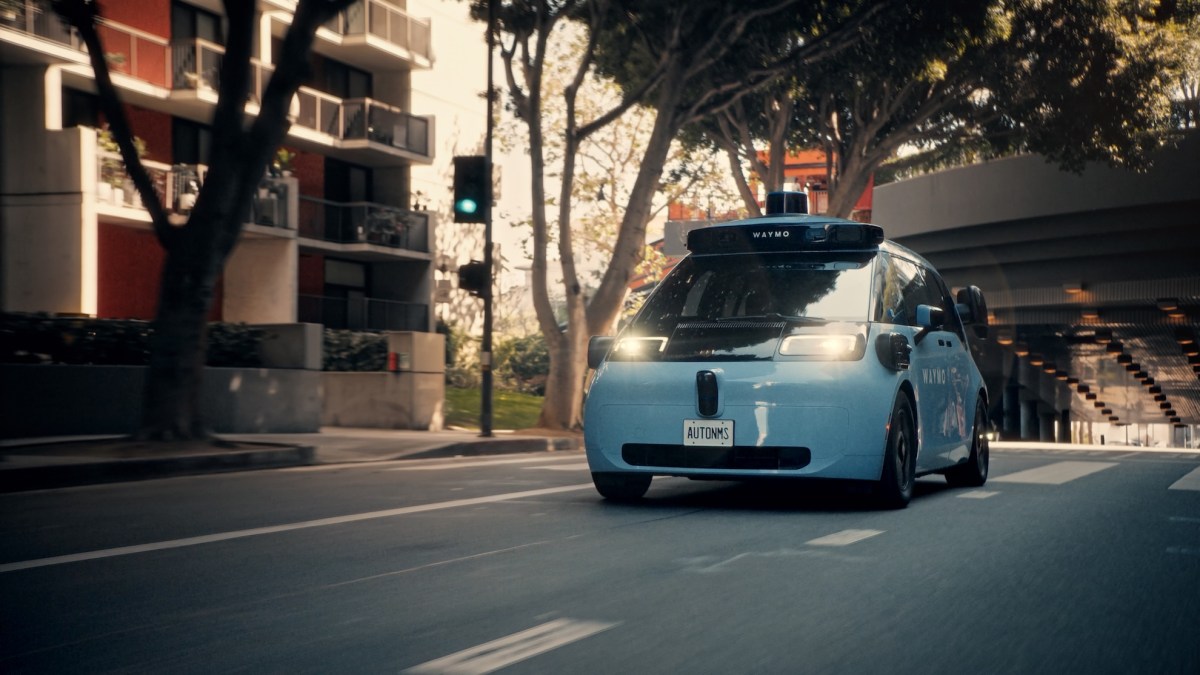
Waymo has taken on its first-ever debt financing, closing a $5 billion loan backed by a group of heavyweight institutional lenders. The Alphabet-owned autonomous driving company confirmed the deal on Thursday, naming PIMCO, Blackstone and Sixth Street among the participants, alongside Capital Group, Apollo, Blue Owl, Franklin Templeton, Fidelity and Oaktree. Goldman Sachs acted as the sole lead bookrunner for the transaction.
The move marks a shift in how Waymo funds its growth. Until now, the company has depended on Alphabet’s balance sheet and outside equity investors. That changed earlier this year when Waymo pulled in $16 billion in an equity round that valued the business at $126 billion, with Dragoneer, DST Global and Sequoia Capital leading and Alphabet holding onto its majority stake. Before that came a $5.6 billion Series C in 2024, $2.5 billion in 2021 and $3.2 billion in 2020. Access to debt markets gives Waymo another lever as it looks to strengthen its balance sheet and pursue what it calls significant opportunities ahead.
Waymo’s commercial footprint has expanded considerably since it began life as a Google self-driving project. After years of testing in Silicon Valley and the Bay Area, the company moved into Phoenix in 2016, which became its first robotaxi market. A 2023 permit allowing paid rides in California opened the door to a more aggressive rollout, and Waymo now operates in 15 markets. Its California service covers Los Angeles, San Francisco and San Diego, while Texas customers can hail rides in Austin, Dallas and Houston, and Florida riders in Miami, Orlando and Tampa.
The ambition does not stop at U.S. borders. Waymo is running tests in London and Tokyo and intends to launch commercial service in both cities, putting it in position to compete in markets where local regulation and road conditions differ sharply from those at home.
Rapid growth has also drawn scrutiny. Federal investigators have looked into Waymo robotaxis behaving illegally around school buses, and a separate probe followed an incident in which one of its vehicles struck a child near a school at roughly 6 mph, causing minor injuries. The National Transportation Safety Board has opened its own inquiry after reports of Waymo cars illegally passing stopped school buses in at least two states. How the company handles those safety questions will shape how quickly its expansion — and its new lender relationships — pay off.
What do you think?