
FERC Moves to Fast-Track LNG Terminals and Drop Air Quality Modeling Rules
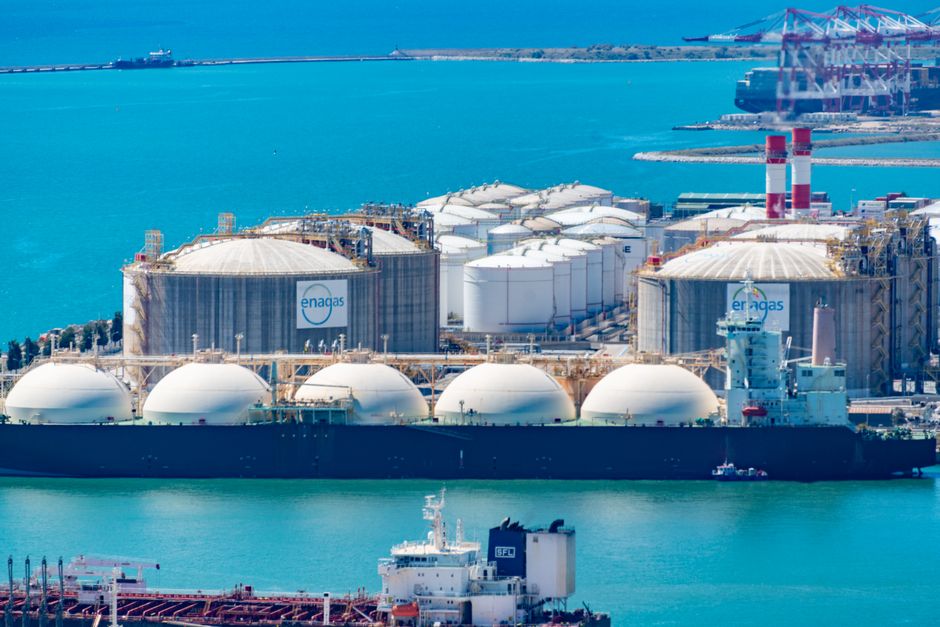
At its October meeting, the Federal Energy Regulatory Commission advanced two proposals that would fundamentally reshape how liquefied natural gas (LNG) infrastructure is reviewed in the United States. The first is a formal rulemaking to create a blanket certificate program for LNG facilities — a mechanism that would let projects meeting certain minimal thresholds win automatic or accelerated approval, sidestepping the full environmental scrutiny that such developments have historically faced.
The second measure is a draft policy statement that would eliminate the requirement for gas project developers to file air dispersion modeling. That modeling is the primary tool regulators use under the National Environmental Policy Act (NEPA) to gauge how a proposed facility would affect air quality at both the local and regional level. Removing it would leave decision-makers without the core data they rely on when weighing a project’s real-world health footprint.
The Sierra Club responded sharply. Claire Dorner, the group’s Associate Legislative & Advocacy Director of Beyond Dirty Fuels, called the combination “unconscionable,” arguing that regulators are simultaneously speeding up approvals and stripping away the analytical requirements meant to catch harm before it happens. She pointed to existing estimates that direct air pollution from operating LNG terminals in the US already carries close to $1 billion in annual health costs and is linked to dozens of premature deaths each year. In her view, weakening these guardrails will push already historically high energy prices higher, deepen damage to local ecosystems and front-line communities, and intensify the climate crisis. FERC, she said, cannot abandon its duty to comprehensively review projects with a documented legacy of pollution, and the only parties that stand to gain are fossil fuel companies.
The stakes extend well beyond the gas sector. Faster, lighter-touch approvals for methane infrastructure lock in decades of additional emissions at a moment when the grid is shifting toward cleaner generation, and they shape the energy mix that electric vehicles and heat pumps will ultimately draw from. How aggressively the US expands LNG capacity also influences global gas prices, since American export terminals are a major swing supplier for European and Asian buyers. The two proposals will now move through public comment and review, giving industry players and community groups alike a window to contest the details before anything is finalized.
What do you think?